
Why does a sump pump run during heavy rain? Because groundwater rises fast and the float switch triggers the motor to keep your basement dry.
During a typical storm, a 1,500-square-foot basement can see 6,000 to 9,000 gallons of water seep in as the surrounding soil becomes saturated. Modern sump pumps handle this load automatically through float or pressure switches. Per the National Association of Home Builders, properly installed systems cycle on and off every 2 to 8 minutes during heavy rainfall, which is normal behavior.
why does a sump pump run during heavy rain
The float switch rises with water level in the sump pit.
When the float lifts to the preset height, the motor starts pumping.
The pump discharges water away from the foundation.
This cycle continues until water levels drop below the switch point.
Running during heavy rain means the system is doing its job.
Core Explanation: How Sump Pumps Respond to Rainfall
A sump pump is essentially a submerged utility pump that sits in a basin called a sump pit. When groundwater infiltrates your basement or crawl space, it collects in this pit first. Inside the pit, a float switch or pressure sensor detects rising water levels.
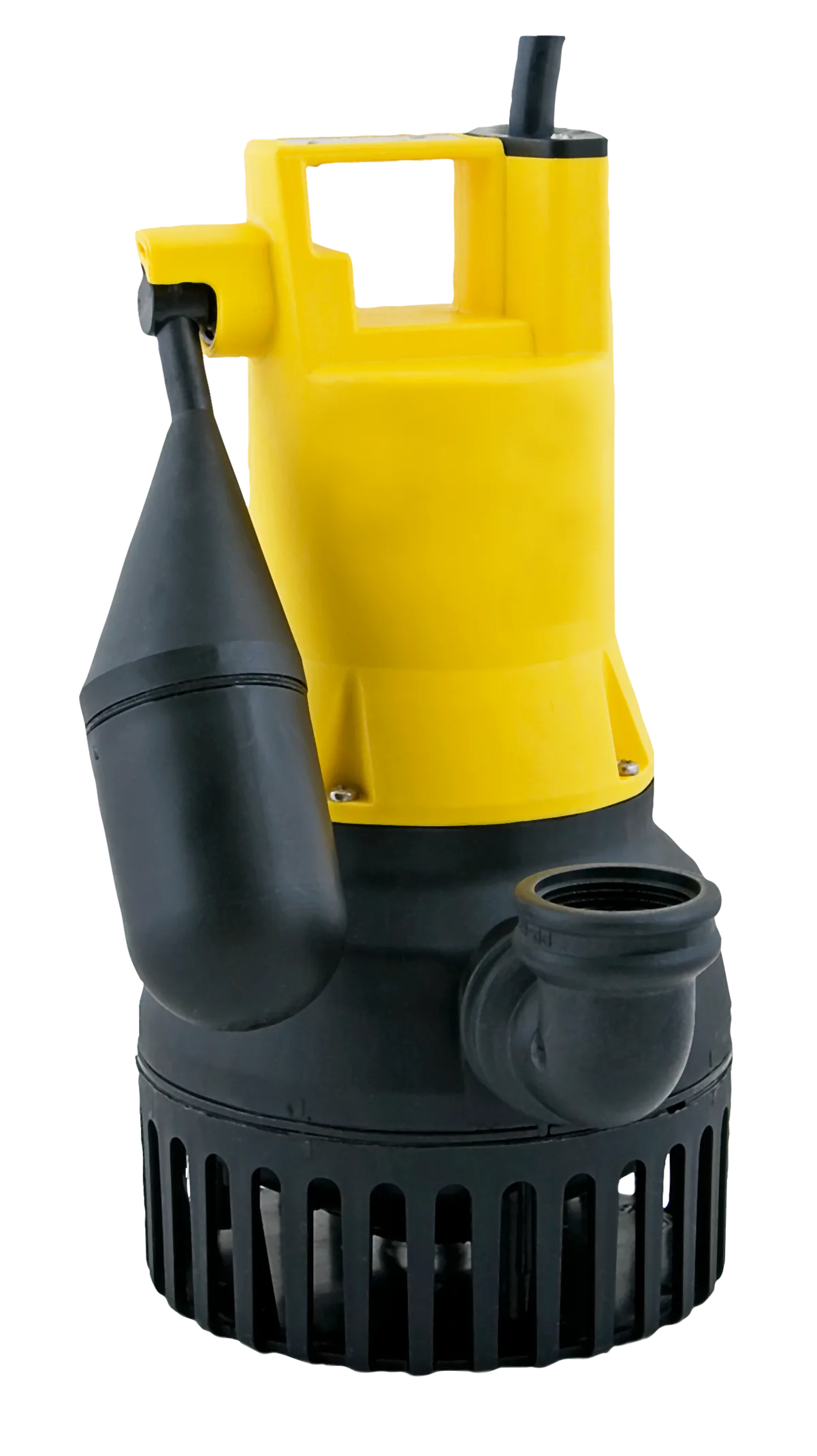
Image source: Wikimedia Commons / PumpExpert (CC BY-SA)
The float switch is tethered to the pump motor. As water rises, the float lifts vertically. Once it reaches a specific height, typically 2 to 4 inches above the pump base, the switch closes an electrical circuit.
This activates the motor, which begins pushing water through the discharge pipe. The water exits either onto the lawn, into a storm drain, or a dry well at least 10 feet away from your foundation per most local building codes.
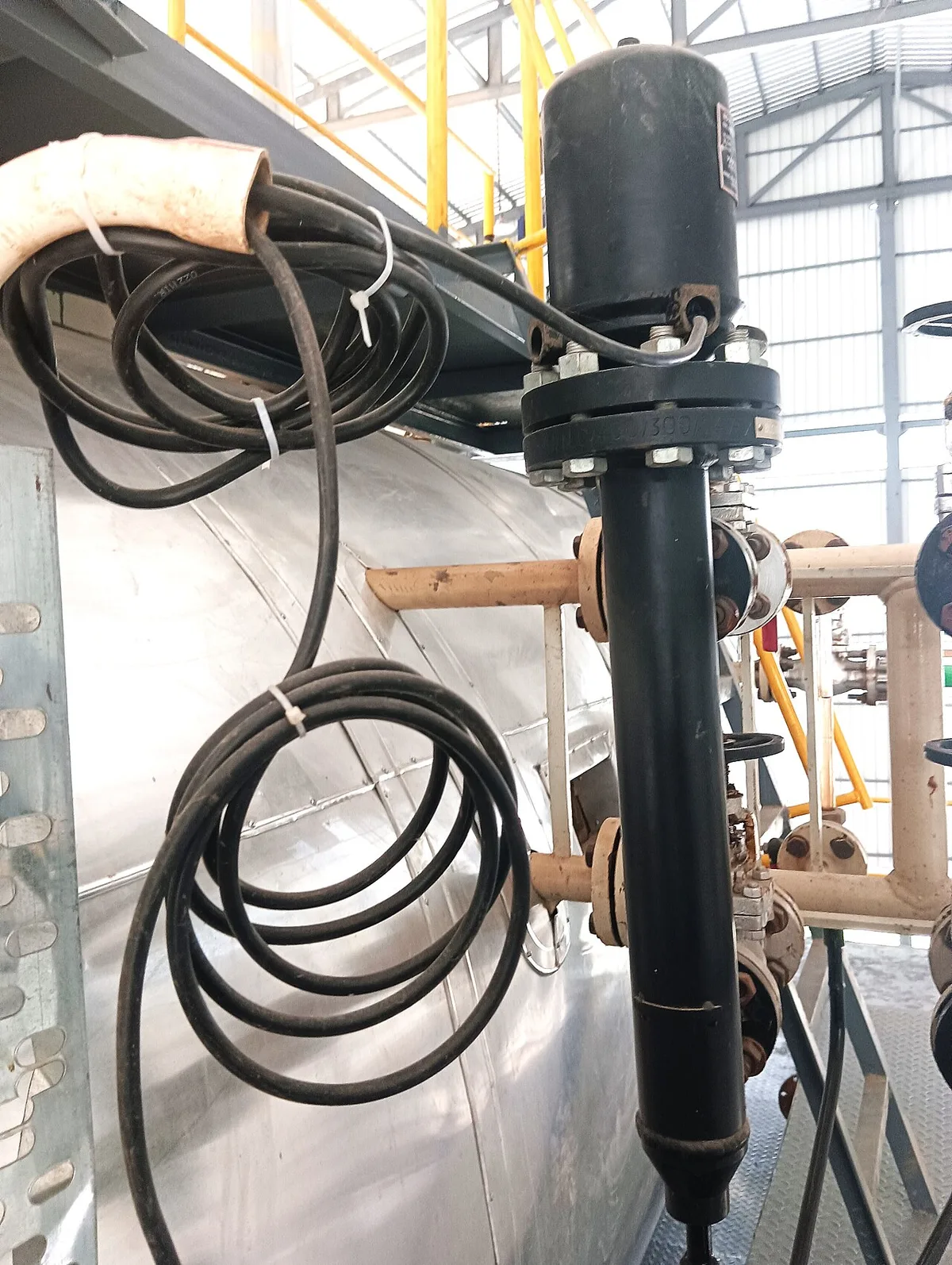
Image source: Wikimedia Commons / Palagiri
After the water level drops, the float descends. This opens the circuit and shuts off the pump. For continuous protection during power outages, many homeowners pair their primary pump with a battery backup unit.
These backups activate automatically when the main power fails, ensuring the system keeps running even during electrical storms.
Step-by-Step Process: Diagnosing Normal vs Problematic Pump Behavior
Not every sump pump activation during rain indicates a malfunction. You need to distinguish between expected operation and actual problems. Start by checking the water volume in your pit during rainfall.
If your pit fills rapidly and the pump cycles every 2 to 5 minutes, that's likely normal. However, if the pump runs continuously for more than 30 seconds without stopping, investigate further. Turn off the pump and listen for the check valve clicking when the motor stops, that prevents backflow from your discharge line.
Check your discharge pipe for clogs or blockages. A frozen line in winter can cause pressure buildup. Inspect the float switch for debris or sticking.
Clean the pit quarterly to remove sediment and buildup. If your pump has a backup battery, test it monthly using the manual override. For persistent short-cycling issues, consider adjusting the pump's on/off settings or calling a licensed plumber to evaluate your system's capacity against actual stormwater volume.
Mistakes to Avoid: When to Worry About Your Sump Pump Running Too Much
Many homeowners either ignore legitimate warning signs or overreact to normal behavior. Here are the most common misdiagnoses:
Running every 2 to 8 minutes during heavy rain? Normal. Constantly running for 30+ seconds non-stop?
Not normal.
A pump that never shuts off usually means a stuck float switch or a discharge line blockage. Don't keep resetting a tripped breaker hoping it will resolve itself, this suggests an electrical problem that requires professional attention.
Check your check valve installation. If it's installed backwards or missing entirely, you'll get rapid re-flooding of the pit. That's why the valve's arrow must point away from the pump toward your discharge exit point.
Never ignore unusual noises. Grinding sounds can mean debris in the impeller. Humming without water movement typically indicates a seized pump or failed motor bearings.
Per manufacturer warranty guidelines from companies like Zoeller and Liberty Pumps, most internal component failures result from running the pump dry, which damages the ceramic seal and motor windings permanently.
FAQs: Sump Pump Runtime During Storms
Is it normal for a sump pump to run every few minutes during rain?
Yes. During moderate to heavy rainfall, most properly functioning sump pumps cycle every 2 to 8 minutes as groundwater accumulates in the pit. This frequency ensures water levels stay controlled without overworking the motor.
If your pump runs less often than every 15 minutes during a storm, your system might be undersized for your area's typical precipitation as of 2026.
Why does my sump pump keep running but never shuts off?
This usually points to a mechanical failure like a stuck float switch, reversed check valve, or debris blocking the discharge line. Turn off power immediately and check for visible obstructions. If clearing debris doesn't resolve it, the internal switch mechanism may need professional diagnosis since continuous operation can burn out the motor within hours.
How long should I let my sump pump run after the rain stops?
Expect 15 to 30 minutes of continued pumping after rainfall ends as groundwater continues seeping into the pit. The pump will shut off automatically once water levels drop below the float switch's activation point. If it keeps running longer than an hour post-rain with no new water entering the pit, contact a plumber about potential switch or valve issues.