
Imagine stepping out on a Saturday morning, coffee in hand, ready to tackle the lawn. The air is fresh, but the ground is still damp from last night’s rain.
You may think, “Why wait? Let’s mow now and get it over with. ” But hold on! Before you fire up that mower, there are some hidden pitfalls you need to know about. Mowing a wet lawn isn’t just inconvenient; it can lead to some serious problems for your grass and your mower.
Have you ever noticed how your lawn looks after mowing wet grass? Ever wondered why your mower seems to struggle more and why clumps of grass stick everywhere? These are just the tip of the iceberg. Wet mowing can damage your lawn, harm your equipment, and even pose safety risks. By understanding why it’s bad to mow a wet lawn, you can keep your grass lush, your mower running smoothly, and save yourself from unnecessary headaches. Curious to learn how to protect your lawn and make mowing less of a chore? Keep reading to uncover the reasons why mowing wet grass is not worth the trouble, and discover smart tips for maintaining a healthier, greener yard.

Credit: canberradiamondblade.com.au
Impact On Lawn Health
Cutting grass while it’s wet can harm your lawn’s health. Wet grass clumps together and dulls mower blades. This leads to uneven cuts and potential fungus growth, weakening the lawn.
Mowing a wet lawn might seem like a harmless task, especially if you’re trying to keep up with your yard maintenance schedule. However, this seemingly simple action can have a significant impact on your lawn’s health. Before you rev up that mower, consider the potential consequences on your grass and soil.Compaction Of Soil
When you mow a wet lawn, the weight of the mower can cause soil compaction. Wet soil is easily compressed, making it difficult for grass roots to breathe and absorb nutrients. Over time, this can lead to weakened grass, making your lawn more susceptible to diseases and pests. Have you ever noticed patches of your lawn where the grass just doesn’t seem to grow well? Compacted soil could be the culprit.Damage To Grass Blades
Cutting wet grass can result in uneven cuts. Wet grass blades tend to bend rather than stand upright, making it difficult for the mower blades to cut them cleanly. This can lead to shredded or torn grass tips, which are more prone to disease. Think about the last time you mowed a wet lawn. Did you notice those frayed edges? Those are an open invitation for lawn diseases.Promotion Of Lawn Diseases
Mowing a wet lawn can spread lawn diseases. Wet conditions are ideal for fungi and bacteria to thrive. When you mow, you can inadvertently transfer these pathogens across your lawn. Imagine mowing through a patch of lawn fungus and seeing it spread to the healthy areas. This could turn a minor issue into a widespread problem.Increased Thatch Buildup
Mowing wet grass can also contribute to thatch buildup. Wet grass clippings tend to clump together and settle on the soil surface. Over time, this can create a thick layer of thatch, which blocks water and nutrients from reaching the roots. If you’ve ever tried to water your lawn, only to see the water pool on the surface, it might be time to check your thatch layer.Difficulty In Mowing
Aside from the health impacts on your lawn, mowing wet grass can be a frustrating experience. Wet grass can clog your mower, causing it to stall or perform poorly. Have you ever had to stop mid-mow to unclog your mower? It’s not just inconvenient; it’s also hard on your equipment. Consider waiting for dry conditions before mowing. Your lawn—and your mower—will thank you.Safety Concerns
Mowing a wet lawn might seem harmless, but it poses significant safety risks. Wet grass is slippery, increasing the chance of accidents. Equipment handles get slick too, making them hard to control. Understanding these dangers can prevent injuries and keep your lawn care routine safe.
Slippery Surfaces
Wet grass creates slippery surfaces. This makes walking and mowing dangerous. Feet can easily slip, causing falls. Even small slips can lead to sprains or bruises. Always consider the condition of the grass before starting to mow.
Equipment Challenges
Handling lawn mowers becomes tricky in wet conditions. Wet handles make gripping difficult. Control over the mower diminishes, risking accidents. Equipment can skid, leading to uneven cuts or damage. Always ensure your tools are dry and safe to use.
Visibility Issues
Wet conditions can impair visibility. Grass clippings stick to the mower’s underside, blocking view. This causes missed patches or uneven mowing. Keeping your mower clean helps maintain clear visibility.
Electrical Hazards
Using electric mowers on wet grass increases risks. Water and electricity are a dangerous mix. Exposed wires can lead to shocks. Always check for any electrical issues before mowing. If the ground is wet, wait for it to dry.
Equipment Damage Risks
Mowing a wet lawn can wreak havoc on your equipment. Wet grass is not just a nuisance; it poses serious risks to your mower and other tools. This section explores the potential damages wet grass can inflict on your lawn equipment.
Blade Dullness And Damage
Wet grass clumps together, making it hard to cut evenly. This can dull your mower blades quickly. The blades may also bend or break if they hit large clumps. Regular maintenance becomes more frequent, costing time and money.
Engine Strain
Wet grass is heavier than dry grass. This puts extra stress on the mower engine. The engine works harder to cut through thick, wet clumps. Over time, this strain can lead to engine failure or reduced lifespan.
Clogged Parts
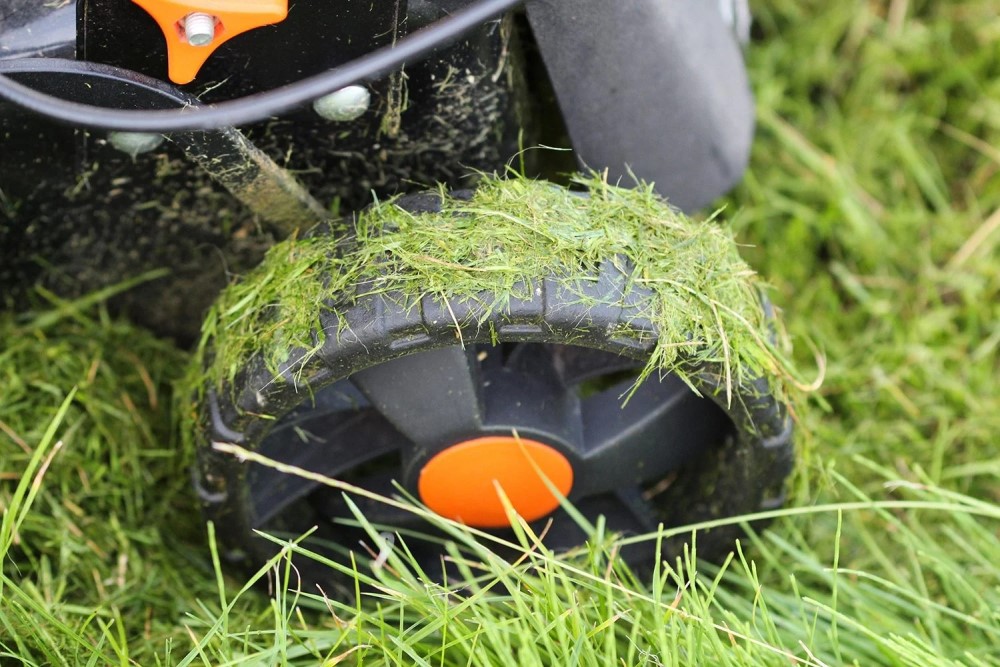
Grass clippings can stick to wet mower parts. This leads to clogs in the discharge chute or under the mower deck. Clogged parts affect performance and can cause the mower to stall. Cleaning becomes difficult and time-consuming.
Rust And Corrosion
Moisture promotes rust on metal parts. Wet conditions increase the risk of corrosion. Rust weakens the mower’s structural integrity, leading to costly repairs. Protecting your equipment from rust is crucial for its longevity.
Tire Wear
Mowing wet grass requires more traction. This causes tires to wear out quickly. Slipping and sliding can damage the lawn as well as the tires. Frequent tire replacement adds to maintenance costs.

Credit: alnourschool.ca
Credit: atlasturf.com.au
Conclusion
Mowing a wet lawn causes more harm than good. Grass blades can tear. Wet clippings clog the mower. Uneven cuts may result. Soil compaction occurs, damaging roots. Slippery conditions can lead to accidents. Poor health follows for your lawn. Waiting for dry conditions is smart.
Ensures better maintenance. Saves time and trouble. Protects your grass’s health. Keeps your equipment safe too. Avoid unnecessary stress. Let your lawn dry out. Patience leads to a lush lawn. Better outcomes and happier grass. Make mowing effective. Choose the right time.
Your lawn deserves care. Keep it thriving by mowing dry.