
Your HVAC system may be loud due to loose components or a failing motor. These issues often require professional attention.
Loud noises from your HVAC system can be both annoying and concerning. Common causes include loose parts, a failing motor, or issues with the blower fan. Ignoring these sounds can lead to more severe problems and costly repairs. Regular maintenance helps keep your HVAC system running smoothly and quietly.
Identifying the exact cause of the noise requires a professional inspection. Technicians can quickly diagnose and fix the problem, ensuring your home remains comfortable and quiet. Don’t let a noisy HVAC system disrupt your peace. Schedule an inspection to address the issue promptly.
Introduction To Hvac Noise
HVAC systems can make various noises. Some sounds are normal, but loud noises can signal issues. Understanding these noises helps in identifying problems early. This guide will explore common sounds, their meanings, and how loud HVAC affects daily life.
Common Sounds And What They Indicate
| Sound | Possible Issue |
|---|---|
| Banging | Loose parts or debris in the system. |
| Clicking | Relay issue or a failing thermostat. |
| Hissing | Refrigerant leak or ductwork problem. |
| Buzzing | Electrical issues or loose wiring. |
Impact Of Loud Hvac On Daily Life
Loud HVAC systems can disrupt daily activities. They make it hard to focus or sleep. Constant noise can lead to stress and discomfort. Here are some impacts:
- Sleep Disruption: Loud noises can wake you up at night.
- Reduced Productivity: Hard to concentrate with constant noise.
- Increased Stress: Continuous noise can make you feel stressed.
Types Of Hvac Systems And Their Sounds
Many HVAC systems create different sounds. Each system has its unique noise profile. Understanding these sounds can help identify issues.
Central Air Conditioning
Central air conditioners are common. They use a compressor and fans. Normal sounds include a low hum or a soft whirring. These sounds come from the fans and the compressor. Unusual noises may signal problems.
- Banging: This could mean a loose part.
- Hissing: This might be a refrigerant leak.
- Clicking: This often occurs at startup or shutdown.
Heat Pumps
Heat pumps can heat and cool. They share many parts with central air conditioners. Normal sounds include soft whooshing or humming. These sounds come from the fans and the compressor. Loud or unusual noises need attention.
- Gurgling: This may be low refrigerant.
- Squealing: This could mean a motor problem.
- Grinding: This often signals a serious issue.
Furnaces
Furnaces generate heat. They can be noisy. Normal sounds include a low rumble or a soft clicking. These sounds come from the burners and the blower. Strange noises may indicate trouble.
- Popping: This could be duct expansion.
- Rattling: This might be a loose panel.
- Whining: This often means a blower issue.
Common Causes Of Hvac Noise
Is your HVAC system unusually loud? Understanding the common causes of HVAC noise can help you address the issue effectively. Below are some frequent culprits that could be responsible for the racket.
Loose Components
One of the most common causes of HVAC noise is loose components. Over time, screws, bolts, and other parts may become loose. This can cause rattling or banging sounds.
- Check and tighten screws.
- Inspect bolts and fasteners.
- Ensure that panels are securely attached.
Ductwork Issues
Ductwork issues can also contribute to excessive HVAC noise. Common problems include:
| Issue | Noise Type |
|---|---|
| Loose Ducts | Rattling |
| Blocked Ducts | Whistling |
| Leaking Ducts | Hissing |
Inspect the ductwork to identify any of these issues.
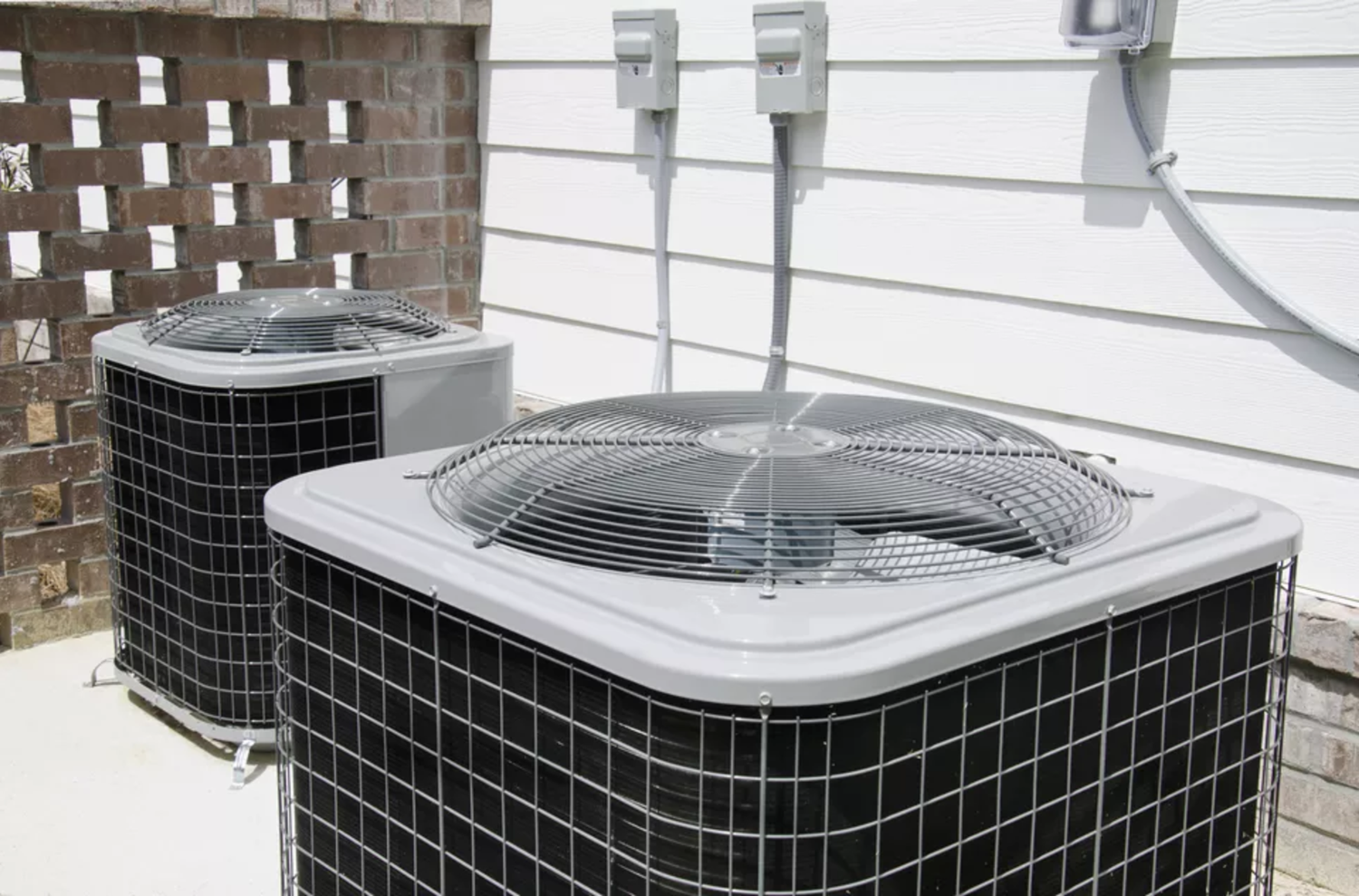
Fan Problems
Fan problems often cause loud noises in HVAC systems. Issues to look out for include:
- Dirty Fan Blades: Clean the blades to reduce noise.
- Imbalanced Fan: Balance the fan to stop wobbling sounds.
- Worn Bearings: Replace bearings if they are worn out.
Regular maintenance of the fan can prevent these problems.
Credit: www.croppmetcalfe.com
Troubleshooting Noisy Hvac Systems
Is your HVAC system making too much noise? Don’t worry. This guide will help you. A noisy HVAC system can be annoying. It can also signal a problem. Let’s look at some steps to quiet your HVAC system.
Initial Checks
Start with some easy checks. These can save you time and money.
- Check the Air Filter: A dirty filter can cause noise. Change the filter if it’s dirty.
- Inspect Vents and Ducts: Make sure they are clear. Blocked vents can cause strange sounds.
- Look for Loose Screws: Tighten any loose screws. They can cause rattling sounds.
- Examine the Fan: The fan blades should be clean and straight. Bent or dirty blades can be noisy.
When To Call A Professional
Sometimes, you need expert help. Here are signs it’s time to call a professional.
- Loud Banging Sounds: This could mean a serious issue. Call a professional right away.
- Squealing Noises: This often means a problem with the belt. A technician can fix this.
- Constant Buzzing: Electrical issues can cause buzzing. These need professional attention.
- Grinding Sounds: This may indicate a motor problem. Don’t ignore it. Call an expert.
Take these steps to keep your HVAC system quiet. A well-maintained system runs smoothly and quietly.
Solutions To Reduce Hvac Noise
Is your HVAC system disrupting your peace with its loud noises? Addressing the issue promptly can enhance your comfort. Here are effective solutions to reduce HVAC noise.
Regular Maintenance
Regular maintenance is crucial for a quiet HVAC system. Dust and debris can accumulate, causing parts to work harder and generate noise. Schedule professional check-ups every six months.
- Clean or replace filters monthly to ensure smooth airflow.
- Lubricate moving parts to reduce friction and noise.
- Inspect and tighten any loose components.
Noise Reduction Accessories
Several accessories can help in reducing HVAC noise. These additions are designed to absorb and dampen sound.
| Accessory | Function |
|---|---|
| Sound Blanket | Wraps around the compressor to muffle noise. |
| Vibration Pads | Placed under the unit to reduce vibrations. |
| Duct Liners | Installed inside ducts to absorb sound. |
Upgrading Your System
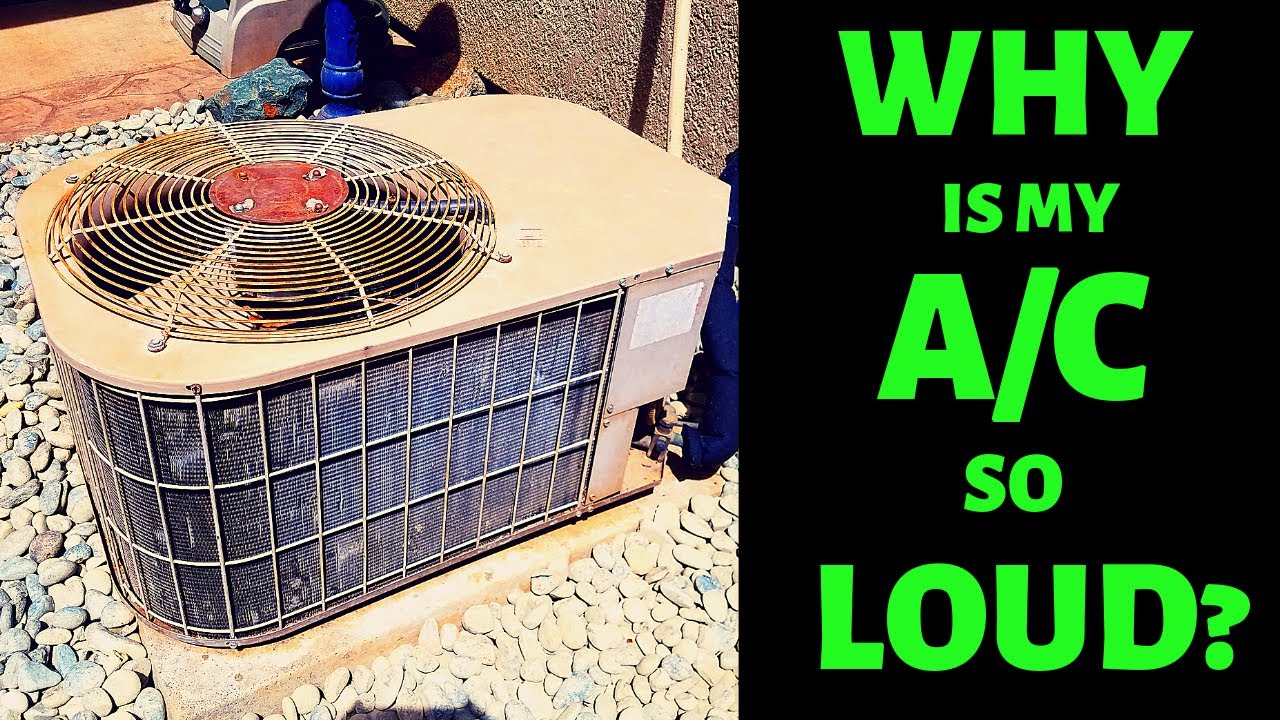
Older HVAC systems tend to be noisier. Upgrading to a newer model can significantly reduce noise levels. Look for units with high SEER ratings.
- Choose energy-efficient models that operate quietly.
- Consider inverter technology for variable speed and less noise.
- Consult with an HVAC professional for the best options.
Investing in a modern HVAC system can lead to a quieter and more comfortable home.

Credit: anthemcv.com
Professional Maintenance And Repair
Is your HVAC system making too much noise? Professional maintenance and repair can help. Technicians can diagnose and fix problems. This reduces noise and improves efficiency.
Finding The Right Technician
Choosing the right technician is crucial. Look for certified professionals. Check their experience and customer reviews. Ask friends and family for recommendations.
- Look for NATE certification.
- Check online reviews on Google or Yelp.
- Ask for quotes from multiple technicians.
What To Expect During A Visit
A technician will inspect your HVAC system. They will check for worn parts. They will clean and lubricate components. This reduces noise and increases efficiency.
| Step | Task |
|---|---|
| 1 | Inspect the system |
| 2 | Check for worn parts |
| 3 | Clean and lubricate components |
Regular maintenance can prevent major issues. Schedule a visit at least once a year. This keeps your HVAC system running smoothly and quietly.
Preventive Measures To Keep Your Hvac Quiet
A loud HVAC can be annoying. To avoid this, you need preventive measures. These steps ensure your HVAC remains quiet and efficient.
Routine Check-ups
Routine check-ups are vital for a quiet HVAC. Schedule regular inspections with a professional. They can spot potential issues early. Regular maintenance keeps your system running smoothly. This reduces noise and extends its life.
- Change filters every 1-3 months.
- Inspect belts and fans for wear.
- Check for loose parts and tighten them.
Routine maintenance can save you money. It prevents costly repairs and keeps your home quiet.
Proper Installation Techniques
Proper installation is crucial for a quiet HVAC. A poorly installed system can be noisy. Always hire a professional for installation. They ensure the system is set up correctly.
| Installation Step | Importance |
|---|---|
| Leveling the unit | Prevents vibrations |
| Using isolation pads | Reduces noise |
| Proper ductwork | Ensures smooth airflow |
Proper installation reduces noise and increases efficiency. It ensures your HVAC runs quietly for years.
Credit: www.youtube.com
Conclusion: Living With A Quieter Hvac
Living with a quieter HVAC system enhances your home’s comfort. A noisy HVAC can disrupt daily life, causing stress and discomfort. Understanding the benefits of a noise-free system can help you achieve a peaceful living environment.
Benefits Of A Noise-free System
- Improved Sleep Quality: A quieter HVAC system ensures better sleep. No more waking up to loud noises.
- Enhanced Focus: Reduced noise levels can improve concentration. This is especially important for those working from home.
- Increased Home Value: A well-maintained, quiet HVAC system can increase your property’s value.
- Energy Efficiency: Quieter systems often run more efficiently, saving on energy bills.
Final Thoughts And Recommendations
Regular maintenance is key to a quieter HVAC system. Schedule professional inspections at least twice a year. Clean or replace filters monthly to ensure smooth operation.
Consider investing in soundproofing solutions if your HVAC is still loud. These include insulation or acoustic panels. Choosing a high-quality, modern HVAC system can also reduce noise levels.
Follow these tips for a quieter, more comfortable home environment. Your family will thank you for it.
Conclusion
A loud HVAC system can be a sign of various issues. Regular maintenance can prevent many problems. Always consult a professional for persistent noise. Addressing these issues early can save money and improve comfort. Ensure your HVAC system runs efficiently for a quieter, more peaceful home environment.