
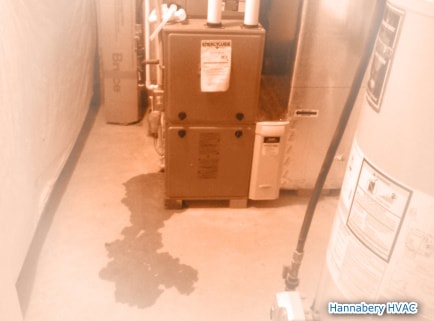
Your HVAC unit might be leaking water due to a clogged condensate drain or a damaged drain pan. These issues prevent proper drainage, causing water buildup.
HVAC units are essential for maintaining comfort in homes and offices. A leaking HVAC unit can lead to significant problems like water damage and mold growth. Identifying the cause of the leak is crucial for timely repairs. Common reasons include a clogged condensate drain, which blocks water flow, or a damaged drain pan that fails to catch condensation.
Regular maintenance can help prevent these issues. Ensuring your HVAC system functions properly not only extends its lifespan but also keeps your indoor environment safe and comfortable.

Credit: m.youtube.com
Common Causes Of Hvac Water Leaks
HVAC units are essential for maintaining comfort in our homes. But sometimes, they can develop issues. One common problem is water leaks. Understanding the common causes of HVAC water leaks can help you address the issue quickly.
Clogged Condensate Drain Line
The condensate drain line removes water from the HVAC unit. If this line gets clogged, water can back up and leak. Debris, dirt, or mold can clog the line. Regular maintenance can prevent this.
Dirty Air Filters
Air filters trap dust and dirt. Over time, they can become dirty and clogged. This restricts airflow, causing the coils to freeze. When the ice melts, water can overflow and leak. Clean or replace your air filters regularly.
Low Refrigerant Levels
Refrigerant is crucial for cooling. If refrigerant levels are low, the pressure drops. This can cause the evaporator coils to freeze. When the ice melts, water can leak. Check refrigerant levels periodically.
| Issue | Cause | Solution |
|---|---|---|
| Clogged Condensate Drain Line | Debris, dirt, or mold | Regular maintenance |
| Dirty Air Filters | Dust and dirt | Clean or replace filters |
| Low Refrigerant Levels | Pressure drops | Check refrigerant levels |
The Role Of The Condensate Drain In Your Hvac
The condensate drain is a vital part of your HVAC system. It helps remove water created during cooling. A leaking HVAC unit may indicate a problem with the condensate drain.
How It Works
When your air conditioner runs, it pulls moisture from the air. This moisture turns into water, called condensate. The condensate drain moves this water out of your HVAC unit.
If the drain works well, water leaves the unit safely. If not, water may leak and cause problems.
Maintenance Tips
Keep the condensate drain clean to avoid leaks. Follow these simple maintenance tips:
- Check the drain line for clogs.
- Use a wet/dry vacuum to clear blockages.
- Pour a cup of bleach into the drain to kill mold.
- Inspect the drain pan for cracks.
- Ensure the drain line is properly connected.
Regular maintenance can prevent many issues. A clean drain helps your HVAC run smoothly.
Impact Of Dirty Air Filters On Your Hvac System
Dirty air filters in your HVAC system can cause many problems. One major issue is water leakage. Let’s explore how dirty air filters can affect your HVAC unit.
Reduced Airflow
Dirty air filters block airflow in your HVAC system. This makes the system work harder to push air through. The reduced airflow can cause the coils to freeze. When the coils melt, they create excess water. This can lead to water leaks.
Increased Humidity
Blocked air filters can also increase humidity levels. The HVAC system can’t remove moisture from the air efficiently. High humidity can cause condensation. This can result in water pooling around your unit. Over time, this can damage your HVAC system.
| Problem | Cause | Effect |
|---|---|---|
| Reduced Airflow | Dirty Air Filters | Frozen Coils |
| Increased Humidity | Blocked Air Filters | Condensation and Leaks |
Regularly changing your air filters can prevent these issues. Clean air filters keep your HVAC system running smoothly. They also help prevent water leaks.

Credit: www.supertechhvac.com
Refrigerant Issues And Water Leakage
Water leaking from your HVAC unit can be alarming. One common cause is refrigerant issues. These problems lead to inefficiencies and water leakage. Understanding the signs and effects can help address the problem.
Signs Of Low Refrigerant
Low refrigerant levels show several signs:
- Hissing or bubbling noises
- Poor cooling performance
- Ice buildup on the evaporator coil
These indicators suggest your HVAC unit is low on refrigerant. This can lead to water leakage.
How It Causes Water Leaks
Low refrigerant levels cause the evaporator coil to freeze. When the coil melts, it produces excess water. This water can overflow and cause leaks. Below is a table illustrating the process:
| Step | Description |
|---|---|
| 1 | Refrigerant level drops |
| 2 | Evaporator coil freezes |
| 3 | Coil melts, producing excess water |
| 4 | Water overflows and causes leaks |
Maintaining proper refrigerant levels is crucial. It prevents water leaks and keeps your HVAC unit efficient.
Preventive Measures To Avoid Water Leaks
Ensuring your HVAC unit is in optimal condition can prevent water leaks. Simple preventive measures can save you from costly repairs and discomfort. Follow these steps to keep your HVAC system running smoothly.
Regular Maintenance Schedule
A regular maintenance schedule keeps your HVAC unit in top shape. Schedule professional check-ups at least twice a year. These check-ups can identify potential issues early. Maintenance includes cleaning, inspecting, and tuning up your unit.
| Task | Frequency |
|---|---|
| Professional Inspection | Twice a Year |
| Cleaning Coils | Annually |
Changing Air Filters
Changing air filters is crucial for your HVAC unit. Dirty filters block airflow and cause the unit to work harder. Replace filters every one to three months. This simple step can prevent many issues.
- Improves air quality
- Reduces energy consumption
- Prevents system overload
Inspecting The Condensate Drain
Regularly inspecting the condensate drain can prevent water leaks. The condensate drain removes moisture from the air. If it gets clogged, water can back up and leak. Check the drain for blockages every month.
- Locate the condensate drain
- Check for visible blockages
- Use a wet-dry vacuum to clear clogs
A well-maintained HVAC system is less likely to leak water. Follow these preventive measures to keep your unit in excellent condition.
Credit: www.hannabery.com
Diy Troubleshooting Tips For Water Leaks
Is your HVAC unit leaking water? Don’t worry, you can fix it. Here are some easy DIY tips to help you troubleshoot and solve the issue.
Cleaning The Condensate Drain
The condensate drain can get clogged. This can cause water to leak. Cleaning it is simple. Follow these steps:
- Turn off the HVAC unit.
- Locate the condensate drain line.
- Use a wet/dry vacuum to clear the blockage.
- Pour a mixture of water and vinegar into the drain.
- Turn the HVAC unit back on.
Regular cleaning can prevent future clogs. Make this a monthly task.
Checking Air Filter Condition
A dirty air filter can cause water leaks. It blocks airflow, making the unit overwork. Check the air filter condition. Here’s how:
- Turn off the HVAC unit.
- Locate the air filter compartment.
- Remove the air filter.
- Inspect the filter for dirt and debris.
- If dirty, replace it with a new one.
Check the air filter every month. Replace it if it looks dirty.
When To Call A Professional For Hvac Leaks
HVAC units can sometimes leak water, causing worry for homeowners. Knowing when to call a professional can save you time and money. Here are some signs that your HVAC unit needs professional attention:
Persistent Leaks
Water leaks that persist for more than a day need professional help. A persistent leak might indicate a serious issue with your HVAC system.
- Check for water around your unit daily.
- If the leak continues, contact a professional.
- Prolonged leaks can damage your home and HVAC unit.
Signs Of Major Issues
Major issues often show specific signs. Be alert to these signs and call a professional:
- Water stains on walls or ceilings.
- Unusual noises from the HVAC unit.
- Reduced cooling or heating efficiency.
- Unpleasant odors coming from vents.
These signs point to serious problems that need expert attention. Ignoring them can lead to more damage.
The Long-term Consequences Of Ignoring Hvac Leaks
HVAC leaks can cause serious problems over time. Ignoring these leaks can lead to expensive repairs and health risks. It is essential to address HVAC leaks promptly to avoid long-term issues.
Mold Growth
Water leaks from your HVAC unit can create a damp environment. This dampness promotes mold growth. Mold can spread quickly in your home. Mold spores can cause health problems. These include allergies, asthma, and respiratory issues. Mold removal can be costly and time-consuming.
Structural Damage
Leaks can damage your home’s structure. Water can seep into walls, floors, and ceilings. Over time, this can weaken the materials. Wood can rot, and drywall can crumble. Structural damage can compromise your home’s safety. Repairs can be extensive and expensive.
Increased Repair Costs
Ignoring HVAC leaks can lead to more significant problems. Small issues can turn into major repairs. Water damage can affect electrical components. This can cause your HVAC unit to fail. Repairing a broken unit is more costly than fixing a small leak. Regular maintenance can prevent these issues.
Conclusion
Water leaks from your HVAC unit can signal various issues. Regular maintenance and prompt repairs are crucial. Identifying the problem early can prevent costly damages. Always consult a professional for persistent leaks. Protect your home and ensure efficient performance by addressing leaks promptly.
Your HVAC system will thank you.