
Why is my sump pump not pumping water? You’ve probably stood there listening to that familiar hum or click, wondering why the flood in your basement isn’t going down. It’s frustrating, especially when storms are rolling in and the pit is already halfway full.
In our research, most failures come down to one of three things: power, blockage, or a broken switch. Let’s figure out which one you’re dealing with.
Sump pumps are designed to move water out of a basin (or pit) through a discharge pipe. They rely on a float switch to turn on when water rises, and a check valve to keep the water from flowing back in. Per manufacturer specs, most residential units handle 1,500 to 5,000 gallons per hour depending on horsepower and head pressure.
So if it’s running but not moving water, something’s stopping that flow. Here’s how to check.
## why is my sump pump not pumping water
It’s usually one of three issues: no power, a clog, or a failed float switch. Check the GFCI outlet first. Then look for debris blocking the intake or discharge.
Finally, test the float switch by lifting it manually.
Most sump pump failures fall into a handful of categories. If the motor runs but water doesn’t move, start with the most common culprits. Check these before tearing into anything mechanical.
| Symptom | Likely Cause | What to Check |
|---|---|---|
| No sound at all | No power | GFCI outlet, breaker |
| Humming but no flow | Blocked impeller/pipe | Intake screen, discharge |
| Cycling on/off fast | Stuck float | Pit debris, switch position |
| Runs nonstop | Float stuck down | Water level, basin size |
Check the Obvious First — Power, Float Switch, and Clogs
Before assuming your sump pump needs replacement, check the basics that trip people up daily. A tripped GFCI outlet causes 30% of "dead" pump calls. Unplug the unit and test the outlet with a lamp or phone charger.
If nothing works, reset the GFCI button or check the circuit breaker.
Next, lift the float switch by hand. Most floats rise on a tether or slide vertically along a rod. If the pump starts when you lift it, the float was stuck, often from sediment buildup or a misaligned pipe.
Give the pit a gentle clean while you’re in there.
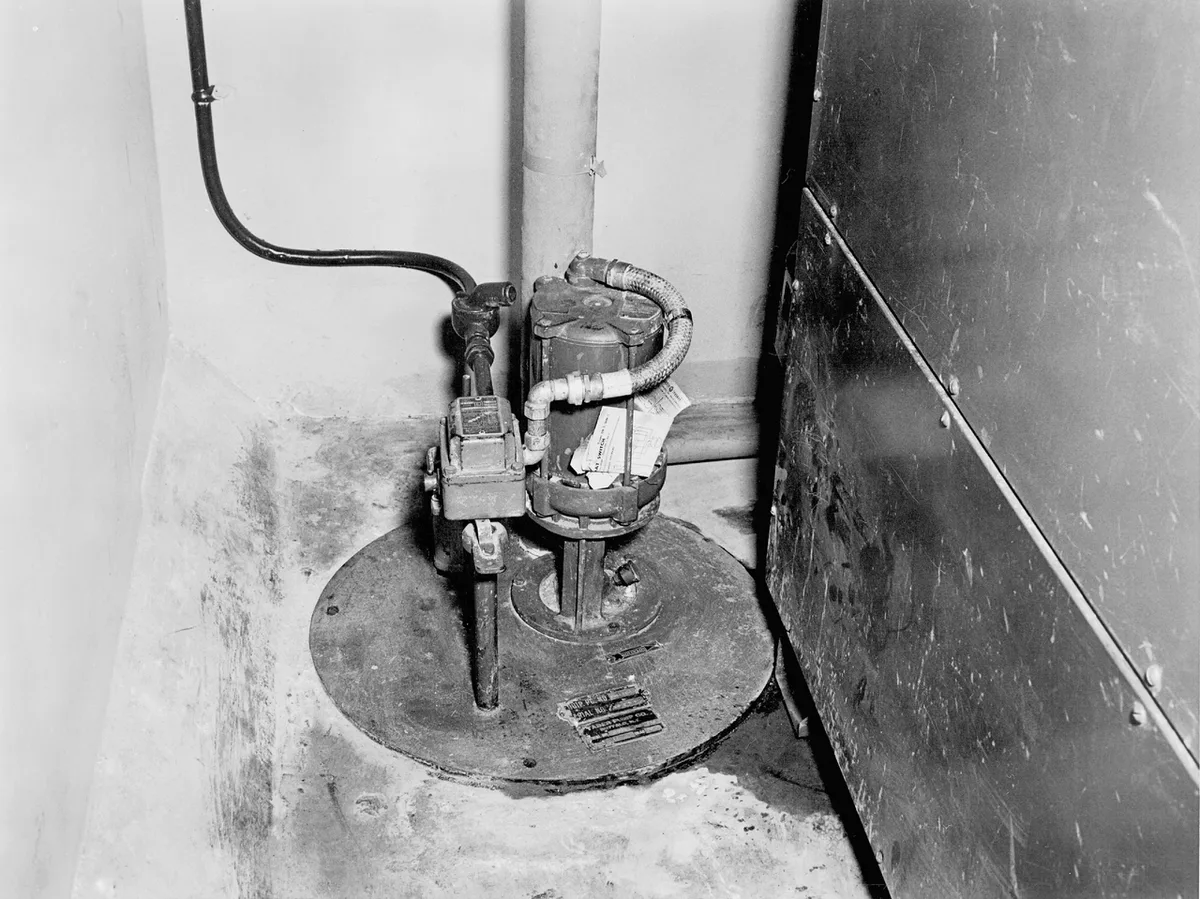
Don’t forget the check valve. This one-way gate sits on the discharge pipe and prevents water from flowing back into the pit after the pump shuts off. If it’s installed backward or stuck open, you’ll see water trickling back into the basin.
Look for an arrow on the valve housing pointing upward, toward the discharge exit. Per plumbing codes, it must face the right direction or your pump fights itself every cycle.
How to Tell What's Actually Broken — Symptom-Based Troubleshooting
If power’s good and the float moves freely, narrow things down by symptom. That saves time and prevents unnecessary part swaps.
Pump doesn’t turn on at all:
Check if it’s plugged in. Many people don’t realize their pump shares an outlet with a dehumidifier or utility sink disposal. If it’s hardwired, inspect the junction box for loose connections.
A multimeter helps here, but if that feels risky, call a pro.
Motor runs but no water flows:
Shut off power first (seriously). Remove the pump from the basin carefully and inspect the intake screen at the bottom. Hair, string, and even small toys love to clog these openings.
Clear debris with needle-nose pliers or a wire brush. Then check the discharge pipe outside, ice dams in winter or root intrusion can block it completely.
Pump turns on and off rapidly:
This short-cycling means the float isn’t resetting properly. Debris in the pit can hold the switch in the “on” position. Lower the water level manually with a bucket and observe.
Sometimes just jiggling the float frees things up.
Common Repair Steps Based on What’s Failing
Once you’ve identified the issue, repairs range from five-minute fixes to weekend projects. Always disconnect power before handling the unit, it’s not worth risking electrocution for a faster fix.
Start by unplugging the pump or switching off its dedicated circuit breaker. Next, remove any visible clogs from the intake and discharge openings. For stubborn debris deep inside the impeller housing, you may need to disassemble part of the pump.
Take photos as you go so reassembly stays straightforward.

Replace the check valve if water keeps flowing back into the pit after shutdown. Make sure the new one matches your pipe diameter exactly, 1¼ inch or 1½ inch are standard. A poorly fitted valve creates turbulence and reduces efficiency over time.
Wrap threads with Teflon tape and tighten securely but don’t over-torque PVC fittings.
For older units showing repeated failures, consider upgrading rather than patching. As of 2026, newer models offer improved energy efficiency and built-in alarm systems that text alerts to your phone when problems arise.
When to Call a Pro vs. Fix It Yourself
Some problems are simple enough for confident DIYers to handle safely. Others involve electrical work or major component failure that warrants professional help.
Call a licensed plumber or electrician if:
- The pump won’t stay powered despite outlet testing
- You suspect internal motor winding damage (burnt smell, visible charring)
- Multiple breakers trip when the pump kicks on
- Repeated clogs suggest deeper drainage issues under the slab
Try fixing it yourself if:
- It’s just a clogged intake or discharge line
- The float switch needs cleaning or repositioning
- The check valve is installed incorrectly
- You’re comfortable working with basic tools and electricity
Frequently Asked Questions
Will a sump pump freeze in winter?
Yes. If discharge piping runs outdoors above ground, ice can form and block water flow entirely. Wrap exposed pipes with insulation or reroute them below the frost line.
Some homeowners add a secondary indoor drain to route meltwater safely away from the house.
Do I need a backup pump?
Absolutely if your basement holds valuables or HVAC equipment. Battery-powered backups activate when primary power fails. Per manufacturer specs, they typically run 6 to 24 hours depending on water volume and battery condition.
Test monthly during heavy-rain seasons.
How often should I clean my sump pump?
Twice per year minimum, once in spring after snowmelt season and again in fall before winter freeze sets in. Remove leaves, dirt, and rodent nests from the basin and intake screen. Replace the check valve every 3 to 5 years as preventive maintenance.
What size sump pump do I need?
Most homes do fine with a ¼ to ⅓ horsepower submersible unit. Larger homes with multiple downspouts feeding into the system may require ½ HP or higher. Factor in total dynamic head, vertical lift plus friction loss through piping, to pick the right match for your setup.
Can I install a sump pump myself?
Basic replacement installs are manageable for experienced DIYers. You’ll need to connect plumbing lines and wire into an existing GFCI-protected circuit. Complex setups involving multiple pumps, backup systems, or unfinished basements often justify hiring certified pros for safety and warranty coverage.