
Possible answer: Your dryer may not be drying clothes because of a clogged vent, a broken heating element, or a malfunctioning thermostat. Check these components and clean or replace them if necessary to improve drying performance.
If your clothes come out of the dryer wet or damp, it can be frustrating and inconvenient. Not only do you have to wait longer to wear or fold them, but you may also risk mold or mildew growth if you leave them in a humid environment.
Moreover, a dryer that doesn’t dry properly may consume more energy, increase your utility bills, and reduce the lifespan of your appliance. Therefore, it’s essential to troubleshoot the reasons why your dryer isn’t drying your clothes and fix the issues as soon as possible. We’ll explore some common causes of dryer inefficiency and provide some tips on how to solve them.

Credit: m.youtube.com
Clogged Lint Filter
One of the most common reasons your dryer may not be drying clothes properly is a clogged lint filter. The lint filter catches lint and debris that comes off your clothes during the drying cycle, but when it gets clogged, it affects the air flow, making it harder for your dryer to work effectively. In this post, we will focus on how to clean the lint filter and check for lint buildup in the dryer duct.
Clean The Lint Filter
It’s essential to clean your lint filter after every use. A dirty or clogged filter will impact your dryer’s performance, making it work harder and longer than necessary to dry your clothes. Here are some easy steps to follow:
- Locate the lint filter. It’s typically in the door’s opening or on the top of the dryer.
- Slide the filter out of its housing and remove all the lint and debris you see.
- Use a soft brush or toothbrush to gently clean any remaining lint or debris from the filter.
- Rinse the filter under running water and let it dry completely before sliding it back into place.
Check For Lint Buildup In The Dryer Duct
The dryer duct is the tube that connects your dryer to the outside vent. When it gets clogged with lint, it restrains the airflow, making it difficult for your dryer to dry your clothes. To check for lint buildup:
- Unplug your dryer and turn off the gas if it’s a gas dryer.
- Disconnect the duct from the dryer and the wall, and use a brush to remove any lint or debris you can reach.
- Reconnect the duct and turn on your dryer to make sure there’s adequate airflow.
- If you notice airflow is still lacking, you may want to clean the duct with a professional cleaning kit or call an expert to avoid any damages to the duct.
By following these steps, you can keep your dryer working efficiently, minimizing the drying time, and saving energy. Remember to clean your lint filter after every use and regularly remove any lint buildup in the dryer duct.
Inadequate Airflow
If your dryer is not drying your clothes, the first thing to consider is inadequate airflow. Poor ventilation in your dryer can cause issues, such as overheating, and may result in longer drying times. Below are some steps to take to ensure proper airflow:
Check The Dryer Vent For Proper Ventilation
One of the most common causes of inadequate airflow in a dryer is a clogged vent. Over time, lint and other debris can build up in the vent, restricting airflow and causing your dryer to take longer to dry clothes. It’s essential to check your dryer vent regularly to ensure it’s clear and unobstructed.
Inspect The Vent Hood For Blockage Or Damage
The vent hood is another area to check for proper ventilation. It’s located on the exterior of your home and allows air to flow out of your dryer. If it’s blocked or damaged, it can prevent proper airflow from the dryer. Consider cleaning the vent hood or repairing any damage to improve your dryer’s performance.
Proper ventilation is essential for efficient drying. If you’re still experiencing issues after checking your vent and vent hood, consult a professional to avoid any potential hazards.
Faulty Heating System
If your dryer isn’t able to dry clothes thoroughly, one of the most common causes of this issue is a faulty heating system. The heating system within a dryer is responsible for creating warm air that circulates throughout the drum to help dry clothes.
Check If The Heating Element Is Functioning
One of the main components of the heating system that can break down is the heating element. The heating element is a coil that heats up when electricity passes through it. This heat is then transferred to the air that flows through the drum to dry clothes.
If your dryer isn’t drying clothes, the first thing you should do is check if the heating element is functioning properly. You can do this by using a multimeter to test the element for continuity. If there is no continuity, the heating element is likely faulty and will need to be replaced.
Inspect The Thermostat For Malfunction
Another component of the dryer’s heating system is the thermostat, which is responsible for regulating the temperature of the air that flows through the drum. If the thermostat is malfunctioning, it can cause problems with the heating system and prevent the dryer from drying clothes effectively.
You can check if the thermostat is functioning properly by using a multimeter to test it for continuity. If there is no continuity, the thermostat will need to be replaced.
It’s essential to keep the heating system of your dryer working correctly to ensure it can dry clothes thoroughly. Be sure to regularly clean your dryer’s lint filter and exhaust vent to prevent blockages that can affect the dryer’s heating system.
Overloaded Dryer
There are few things more frustrating than pulling a load of damp clothes out of the dryer. If you’ve noticed that your dryer isn’t drying your clothes as efficiently as it once did, there could be a few reasons.
Reduce The Load Size
One of the most common reasons that a dryer might not be drying clothes properly is because the load is too large. When you overload the dryer, there isn’t enough room for the clothes to move around, preventing hot air from flowing freely and ultimately hindering drying time.
To avoid overloading your dryer, make sure you’re using the appropriate load size for your machine’s specifications. If you’re not sure what those are, check your user manual or the manufacturer’s website.
Divide Large Items Like Comforters Into Smaller Loads
If you’re trying to dry a large item like a comforter or blanket, it’s always best to divide it into smaller loads. When you put an oversized item in the dryer, it can quickly become a tangled mess, preventing air from flowing freely and causing the item to remain damp.
To ensure your comforter or other large item dries properly, break it up into smaller loads and run the dryer on a longer cycle. This will give the hot air the space and time it needs to penetrate the item and dry it completely.
In addition to reducing the load size and dividing large items, there are other steps you can take to make sure your dryer is functioning properly. Cleaning out the lint trap regularly, checking the vents for blockages, and making sure the dryer is leveled are all important tasks that can help maximize the efficiency of your machine.
Wrong Drying Cycle
If you have been constantly drying your clothes but still getting damp loads, it can be frustrating and time-consuming. While there can be several reasons for your dryer not working correctly, one of the most common reasons can be selecting the wrong drying cycle.
Check If The Correct Drying Cycle Is Selected
Before you start your dryer, make sure you have selected the right drying cycle according to your clothes. For example, drying lightweight and delicate clothes on high heat can lead to damage. Similarly, drying heavy fabrics on low heat won’t dry your clothes evenly. It’s essential to check the garment care label and choose the correct drying cycle.
Choose A Cycle With More Time Or Heat
If you have checked the drying cycle and still experiencing issues, choose a cycle with more time or heat. When you have a big pile of clothes, select a cycle that provides more time, so your clothes have enough time to dry completely. On the other hand, if you notice your dryer isn’t generating enough heat, choose a cycle with higher temperature to dry your clothes effectively.
Moreover, always clean the lint filter, as it can impact the dryer’s functionality. If all fails, contact a professional or the manufacturer to look into the matter.
| Don’ts | Do’s |
|---|---|
| Drying clothes on any cycle | Check the suitable drying cycle |
| Drying lightweight clothes on high heat settings | Choose proper heat setting |
| Drying heavy fabrics on low heat settings | Select proper cycle for heavy fabrics |
With these simple tips, you can make sure your clothes come out dry, fluffy, and fresh every time you dry them.
.webp)
Credit: www.mrappliance.com
Faulty Moisture Sensor
If you’ve noticed that your clothes are not completely dry even after a full drying cycle, then you may be experiencing problems with your dryer. One of the common culprits of this issue is a faulty moisture sensor. The sensor measures the humidity level inside the dryer and automatically switches the machine off when the clothes are dry. If the sensor is damaged, the dryer may not recognize that the clothes are dry and continue running, leading to inefficiency and poor results. In this post, we’ll explore what you can do if your dryer isn’t drying your clothes due to a faulty moisture sensor.
Clean The Sensor Probes
The first and easiest step to take when your dryer isn’t drying your clothes is to check if the sensor probes are clean. Dirt and lint buildup can disrupt the connection between the sensor and the clothes. Take a closer look at the sensor probes to see if there is any residue or debris that could be affecting its performance. Cleaning the probes is simple: use a damp cloth or a cotton swab to gently wipe each probe until it is clean and shiny. Dry the probes with a clean cloth and run a dryer cycle with a load of wet clothes to see if the sensor is working correctly.
Replace The Moisture Sensor If Necessary
If cleaning the sensor probes doesn’t solve the problem, then you may need to replace the moisture sensor altogether. A malfunctioning sensor can’t detect the moisture level accurately, and it is essential to fix the issue to prevent further damage to the dryer and to get your clothes dry. Replacing the moisture sensor requires unplug the dryer from the power source, locating the sensor near the dryer’s drum, unscrewing the old sensor, and installing the new sensor. Follow the manufacturer’s instructions carefully and ensure that the dryer is reassembled correctly.
In conclusion, a faulty moisture sensor could be the reason why your dryer isn’t drying your clothes correctly. Cleaning the sensor probes and replacing the sensor if necessary are simple and easy solutions that can save you time and money. A well-functioning dryer will not only dry your clothes more efficiently but can also help extend the life of your machine. If you’re still having issues with your dryer after cleaning the sensor probes and replacing the moisture sensor, contact a professional to help you diagnose and fix the problem adequately.
Poor Installation
Poor installation could be the reason why your dryer isn’t drying your clothes. If the dryer isn’t properly vented, it can’t effectively remove moisture from the clothes. Check the venting system to ensure it’s installed correctly and isn’t clogged.
Is your dryer not drying clothes as it should? This can be frustrating, especially when you have a dirty pile of laundry waiting to be cleaned. There may be a number of reasons why your dryer is not working properly. One reason is often poor installation.Ensure The Dryer Is Properly Installed And Level
One of the most common causes of dryer inefficiency is improper installation. It is important to make sure the dryer is installed properly and level. If the dryer is not level, it can cause an uneven distribution of clothing within the drum, potentially leading to poor drying performance. To ensure proper installation, make sure the dryer is level with all four feet firmly on the ground. If the dryer is not level, it may require an installer to level it. The dryer should also have proper ventilation and air circulation, so make sure the vent hose is not kinked or clogged with lint, as this can reduce airflow and diminish the dryer’s ability to dry clothes effectively.Confirm Proper Electrical And Gas Connections
Another important factor to consider is the type of power source used to operate the dryer. Confirm proper electrical and gas connections to ensure they are properly matched to the dryer’s specifications. Contact your manufacturer to ensure your dryer is wired or piped correctly, especially if you’ve recently moved house or had the electrical or gas pipelines altered. In conclusion, proper installation of a dryer is crucial in ensuring its effective operation. A poorly installed dryer can cause issues such as poor heating, longer drying times, and even safety hazards. Make sure to confirm the level and proper installation of your dryer, as well as its electrical and gas connections. By doing these things, you can help extend its lifespan and save yourself from the inconvenience of having to deal with damp clothes.Mechanical Issues
A common reason why a dryer might not dry clothes is due to mechanical issues. The dryer’s heating element, thermostat, or timer may be faulty, causing the dryer to perform poorly. Regular maintenance is important to prevent these issues and ensure efficient functioning.
Dryers are one of the most commonly used appliances in any household. Unfortunately, they can stop working efficiently at any time, leaving your clothes damp. One of the most common reasons why a dryer isn’t drying clothes is because of mechanical issues. Mechanical issues can range from something simple like a clogged lint filter to something more complex like a faulty motor. In this section, we’ll focus on inspecting belts, pulleys, and bearings for damage.Inspect Belts, Pulleys, And Bearings For Damage
The belts, pulleys, and bearings work together to turn the drum, which is how your clothes get dried. If one of these components is damaged or malfunctioning, the dryer won’t function properly. Here’s how to inspect them:Belts
Belts can wear out over time, especially if they’re not properly aligned or if they’re exposed to high temperatures. To inspect the belt, first unplug the dryer and remove the front panel. Look for cracks, fraying, or other signs of damage. If the belt is worn or damaged, it needs to be replaced.Pulleys
Pulleys are responsible for keeping the belt tight and in place. Over time, the pulleys can become worn, or the bearings can fail. To inspect the pulleys, remove the belt and check for wear or damage. If you notice any problems, the pulleys or bearings may need to be replaced.Bearings
Bearings support the drum and help it rotate smoothly. If the bearings are worn, they can cause the dryer to make a loud rumbling noise. To inspect the bearings, remove the front panel and drum. Look for signs of wear or damage. If you notice any problems, the bearings will need to be replaced.Check For Defective Motors Or Switches
In addition to inspecting belts, pulleys, and bearings, you’ll also want to check for defective motors or switches. Here’s what to look for:Motor
The motor is responsible for turning the drum. If the motor is defective, the drum won’t rotate. To check for a defective motor, you’ll need to use a multimeter to test the motor’s continuity. If the motor is not functioning properly, it will need to be replaced.Switches
There are several switches in a dryer, including the door switch and the cycle switch. If any of these switches are defective, the dryer won’t function properly. To check for defective switches, you’ll need to use a multimeter to test continuity. If the switch is not functioning properly, it will need to be replaced. In conclusion, mechanical issues can cause a dryer to not dry clothes properly. Inspecting belts, pulleys, and bearings for damage and checking for defective motors or switches can help you identify the problem and fix it quickly. Remember to unplug the dryer before inspecting any of its components to avoid injury.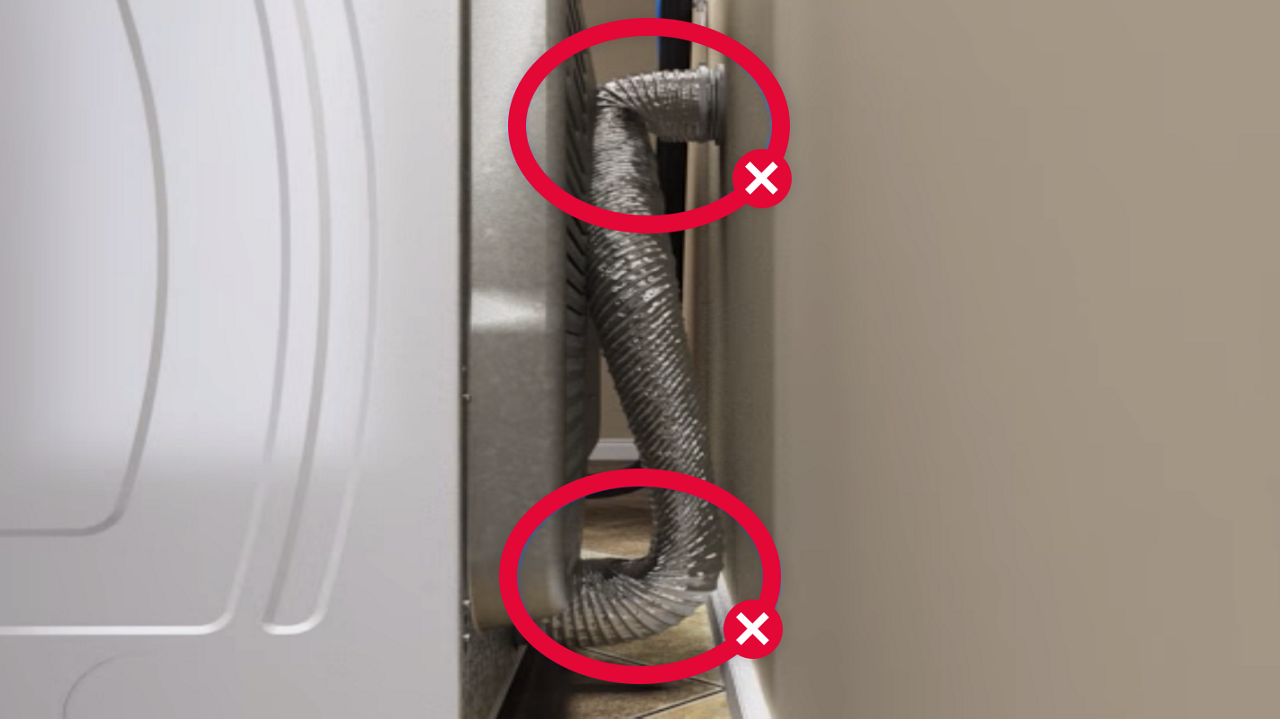
Credit: www.maytag.ca
Conclusion
To conclude, a dryer that is not drying clothes can be frustrating. However, with proper maintenance and understanding of the causes, this problem can be easily solved. Always clean the lint filter, check the vent hose for clogs, and ensure proper installation and ventilation.
Contacting a professional technician can also help diagnose and resolve the issue. Don’t let a dryer that doesn’t dry disrupt your daily life. Follow these tips to get your clothes dry and fresh again.