
what is a sump pump? It's a device that sits in a sump basin (usually in your basement or crawl space) and actively pumps water out when it rises. Most homeowners never think about it until something goes wrong.
But when that water alarm screams at 3 a.m. during a storm, knowing whether your pump can handle the load, or when it's about to fail entirely, makes all the difference.
A properly functioning sump pump moves 20 to 80 gallons per minute, depending on model and setup. That's roughly the flow rate needed to keep up with moderate groundwater infiltration. So let's break down how these systems actually work, and more importantly, how to make sure yours doesn't let you down.
how a sump pump works and what's inside one
Water flows into a buried pit (the sump basin) through perimeter drains or natural seepage. As the water level rises, a float switch lifts and triggers the motor. The impeller spins, pushing water through a discharge pipe that vents it away from your foundation.
Most pumps shut off automatically once the water drops below the start threshold. Basic components include:
- Submersible motor (fully sealed)
- Float switch (either tethered or vertical)
- Check valve (prevents backflow)
- Discharge piping
- Sump basin with removable cover
choosing and installing the right sump pump
Picking the right sump pump depends on your basement size and water table. Here's what matters most:
| Factor | Minimum Requirement | Ideal Match |
|---|---|---|
| Horsepower | 1/4 HP | 1/2 HP or higher |
| Flow Rate | 30 GPM | 50+ GPM |
| Backup Battery | Optional | Required |
| Pit Diameter | 18" | 24"+ |
Installation requires careful attention to electrical safety. Always use GFCI outlets and ensure all wiring stays dry. Route the discharge pipe at least 10 feet from your foundation, sloped downward at ¼ inch per foot.
Connect to a dedicated circuit whenever possible.
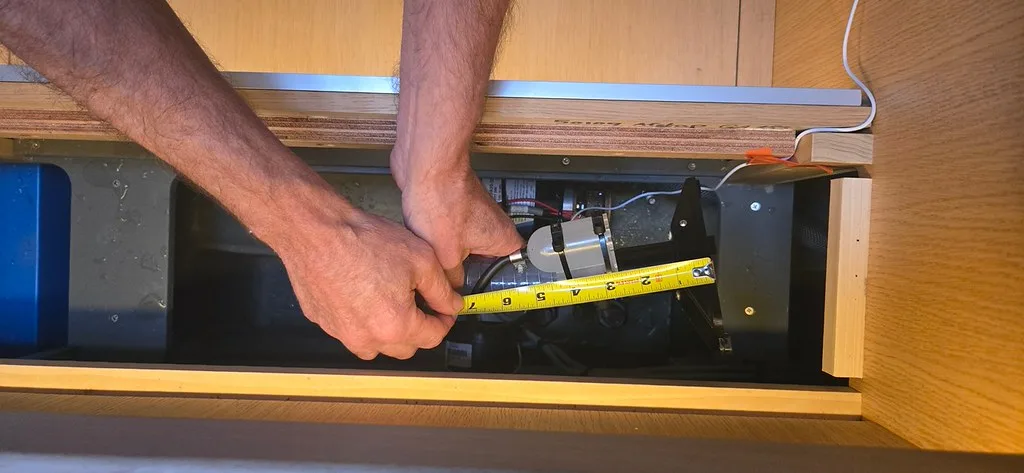
Image source: Openverse / MUSTAD MARINE (PDM 1.0)
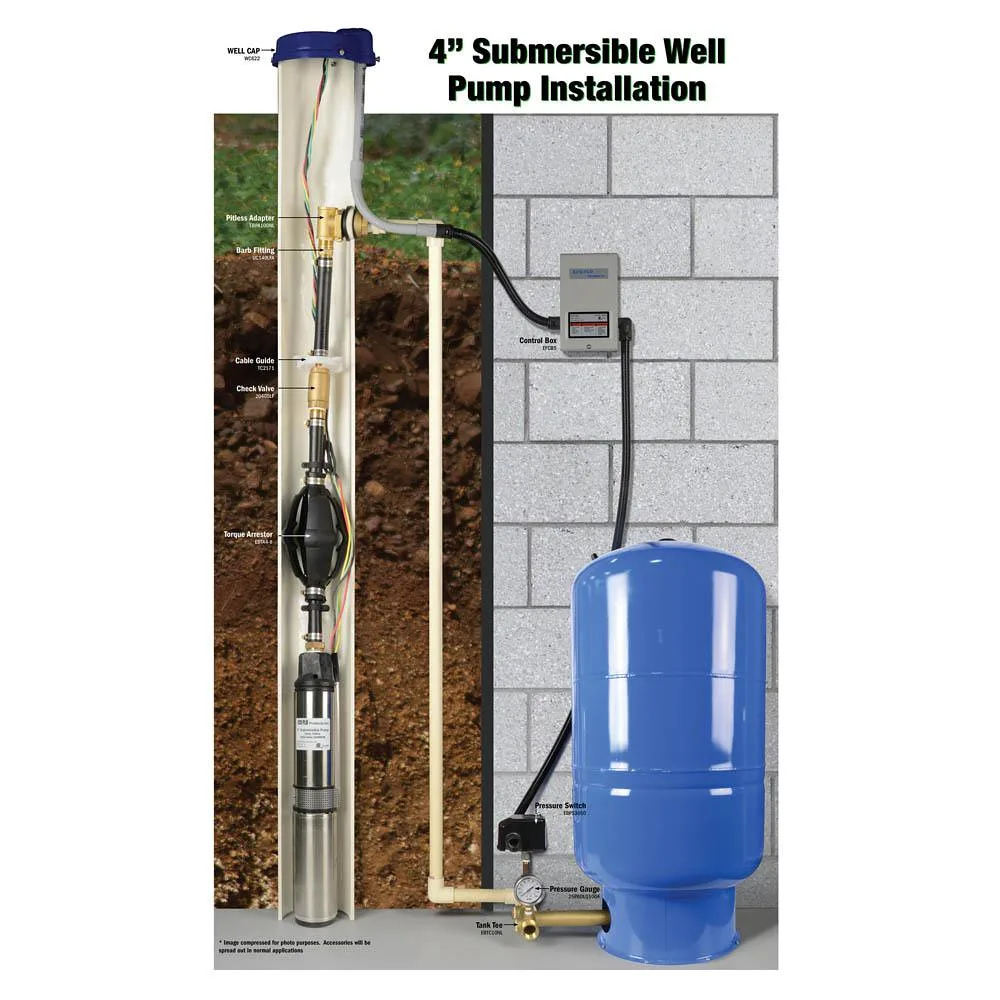
Image source: Openverse / JSBlaine (PDM 1.0)
keeping your sump pump working safely
Even the best pump fails without proper maintenance. Clean debris from the pit every few months and test the float switch manually. Listen for unusual sounds, grinding usually means bearing wear.
Never force a stalled pump; unplug it first and clear blockages carefully. Common issues include:
- Float switch getting stuck
- Impeller clogged with lint or small objects
- Check valve failing, causing constant cycling
- Discharge pipe freezing in winter
Always install a backup battery system if you live in an area prone to storms or power outages. These typically provide 5, 8 hours of runtime during outages.
sump pump faqs
what happens if my sump pump fails completely?
Basement flooding becomes inevitable within hours during heavy rain. Water damage can lead to mold growth, structural issues, and thousands in repair costs. Install a backup battery or secondary pump for redundancy.
can I install a sump pump myself?
Yes, but local building codes may require permits or professional inspection. Ensure GFCI protection and follow electrical safety standards outlined in the National Electrical Code (NEC). When in doubt, consult a licensed plumber.
how often should I replace my sump pump?
Most units last 6, 10 years with regular maintenance. Signs of failure include frequent cycling, unusual noises, or visible rust. Replace older models proactively, waiting until failure risks expensive water damage.
do I need a check valve on my sump pump?
Absolutely. The check valve prevents discharged water from flowing back into the pit, which causes rapid cycling and premature motor burnout. Install it directly above the pump outlet.
why does my sump pump run constantly?
Typically indicates a high water table or blocked discharge line. First, check whether the pipe is frozen or obstructed. If clear, consider upgrading to a higher-capacity pump or adding a secondary unit.