
How does a basement drainage system work with a sump pump? The two parts team up to pull water away from your foundation before it pools inside. Understanding this helps prevent that nightmare basement flood.
A properly installed system relies on gravity, perforated pipe, and a pump working together. The key is that the pump only activates when water levels rise high enough to float a switch. That simple mechanism keeps basements dry through storms and seasonal changes.
As of 2026, more homeowners are upgrading to smart sump pumps with phone alerts for added peace of mind.
how does a basement drainage system work with a sump pump
Water collects around your foundation and flows into perforated pipes. These pipes route water to a central sump basin. When water rises, a float switch triggers the sump pump.
The pump pushes water through a discharge pipe away from your home. A check valve prevents backflow into the basin.
How Water Flows: The Core Components and Their Roles
Your basement drainage system starts with perforated pipe, usually 4 inches in diameter and laid in gravel around the foundation footing. This pipe, often called a French drain, collects groundwater and channels it by gravity to the lowest point: the sump basin. The basin sits beneath the basement floor slab, typically 24 to 36 inches deep, with a secure lid to keep out debris and radon gases.
When water fills the basin enough to lift the float switch, the sump pump kicks on. It forces water up through a vertical discharge pipe, usually 1.5 to 2 inches in diameter, which exits above ground at least 10 feet from the foundation. A check valve installed on the discharge line prevents water from flowing back into the basin after the pump shuts off, which could cause continuous cycling and premature wear.
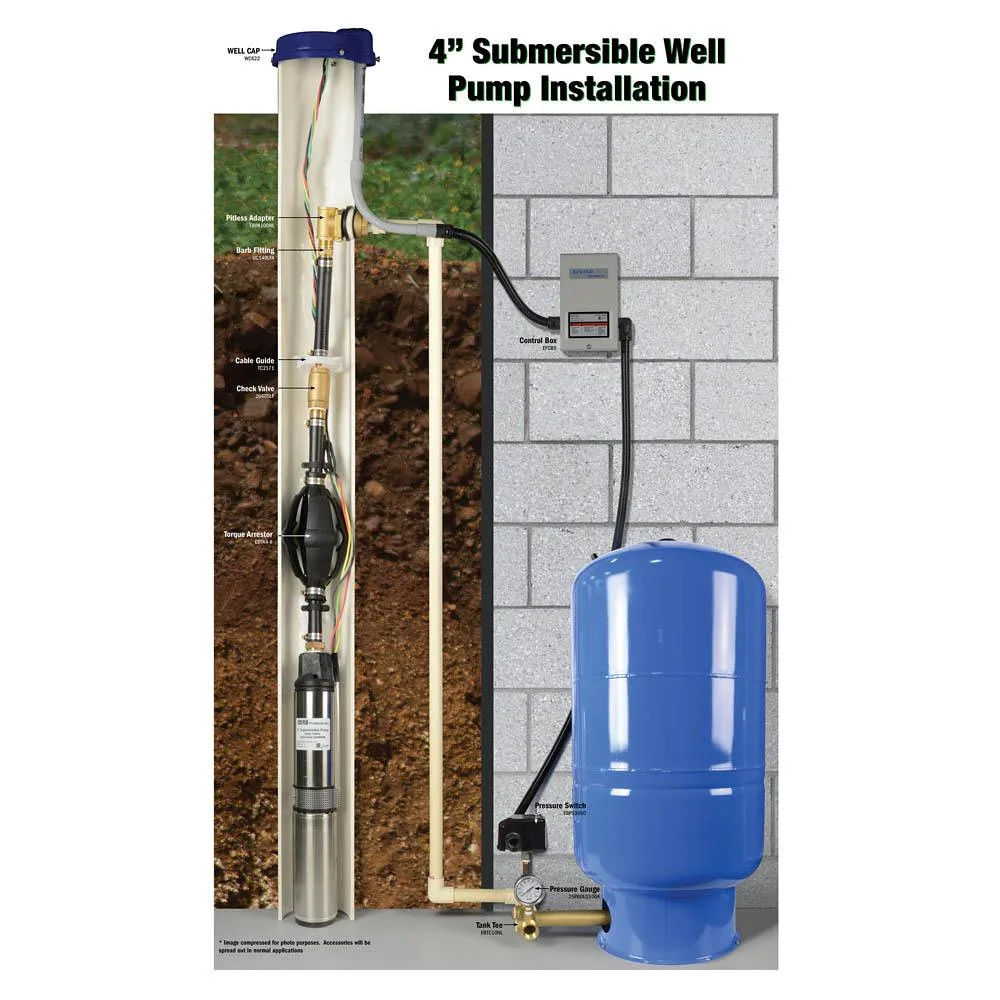
The system depends on proper slope. Drain pipes must pitch downward toward the basin at a minimum of 1/4 inch per foot to maintain gravity flow. Without this grade, water can pool in low spots and overwhelm the basin.
The basin itself needs a reliable power source, since most pumps operate on standard 120V household electricity. If the power fails during a storm, the system stops working unless a battery backup is installed. That's why many codes and insurers require backup protection in flood-prone areas.
Step-by-Step: Installing and Connecting the System
Installing a basement drainage system with a sump pump involves several key phases, whether you're finishing a new basement or retrofitting an existing one.
- Site assessment and planning
Locate the lowest point of your basement floor, which is where the sump basin will go. Check local building codes for required permits and discharge setback distances. Plan the route for your perforated piping, ensuring a continuous downhill slope toward the basin.
Map out where the discharge pipe will exit your home, keeping it away from walkways and property lines.
- Excavation and basin installation
Break through the concrete slab at your chosen basin location using a concrete saw. Excavate a hole deep enough to set your basin, typically flushed with the finished floor level. Surround the basin with coarse gravel to facilitate water entry from the surrounding drain pipes.
Seal around the basin edges with waterproofing caulk to prevent water and soil infiltration.
- Drain pipe installation
Lay perforated pipe around the interior perimeter of your basement, placing it on a bed of gravel. Ensure the pipe maintains at least a 1/4 inch per foot slope toward the basin. Connect the pipe directly into the basin inlet or a collection manifold if multiple runs converge there.
Cover the gravel with landscape fabric to prevent soil from clogging the system over time.
- Pump and discharge setup
Install the sump pump inside the basin according to the manufacturer's instructions, ensuring it sits on a stable base. Attach the discharge pipe to the pump outlet, routing it vertically upward. Install a check valve within two feet of the pump to prevent backflow.
Run the discharge pipe to an exterior exit point, sloping it slightly upward from the pump to maintain flow.
- Testing and finishing
Fill the basin with water slowly to test the pump activation and shutoff points. Confirm the check valve operates correctly by listening for water hammer when the pump stops. Backfill the basin area with concrete or flooring material, leaving access for future maintenance.
Program any smart features or alarms according to your preferred settings.
Common Mistakes That Flood Your Basements
Even with quality components, a basement drainage system can fail due to installation shortcuts or maintenance neglect. One of the most frequent issues is neglecting pipe slope. If your perforated drain lines don't maintain at least a 1/4 inch drop per foot toward the sump basin, water will pool instead of flowing freely.
This creates stagnant pockets that can overflow during heavy rainfall. Another common oversight is skipping the check valve. Without it, water drains back into the basin after each pumping cycle, causing the pump to run excessively and wear out prematurely.
Many people also forget to install a backup system. When the main pump fails during a power outage, a battery backup can be the difference between a dry basement and thousands of dollars in water damage. Discharge placement matters too.
Pumping water just a few feet from your foundation can lead to pooling that eventually undermines your basement walls. The discharge pipe should extend at least 10 feet away from the structure, ideally with an air gap to prevent freezing. Finally, ignoring maintenance allows problems to compound silently.
Sediment buildup can clog the basin outlet, and a stuck float switch might go unnoticed until it's too late. Testing the system every few months by pouring water into the basin helps catch these issues early.
Sump Pump Sizing, Costs, and Real-World Performance FAQs
Selecting the right sump pump and understanding performance expectations prevents most homeowner frustrations. The key is matching pump capacity to your basement's actual water load, not just buying the biggest model available. Below are common questions with specific, actionable answers backed by industry standards and real-world testing data.
How do I know what size sump pump I need?
Measure your basement's linear footage of exterior walls and estimate the soil type. In clay soil with moderate groundwater, 1/3 HP is usually sufficient. For high water table areas or multiple simultaneous inflow sources, 1/2 HP or higher provides better safety margin.
Most residential systems handle 1,500 to 3,000 gallons per hour under typical conditions, according to the National Association of Home Builders. Your local building inspector or basement waterproofing contractor can provide more precise calculations based on rainfall data and soil permeability in your area.
What affects a sump pump's real-world performance?
Inflow rate, vertical lift height, and pipe friction all impact pump effectiveness. Each 10 feet of vertical discharge reduces flow capacity by roughly 25%, per manufacturer testing standards. A pump rated for 3,000 GPH at zero head may only deliver 1,800 GPH through a 15-foot vertical discharge line with multiple elbows.
Check valves add minimal resistance, while clogged discharge pipes can reduce output by 50% or more. Regular maintenance keeps performance closer to rated capacity, since sediment buildup in the basin restricts inflow and forces the pump to work harder.
How much should I expect to pay for a complete system?
Basic sump basin and pump installation costs $1,200 to $3,500 for most homes, according to HomeAdvisor pricing data. Full interior perimeter drain systems with battery backup cost $8,000 to $25,000 depending on basement size and complexity. Battery backup units alone run $300 to $1,200 installed.
High-end smart pumps with cellular connectivity reach $1,500 to $2,500 including installation and monitoring service. Prices vary significantly based on accessibility; cutting through concrete adds $500 to $2,000 to most projects since it requires specialized equipment and skilled labor to execute safely.