
Figuring out how to calculate sump pump duty cycle prevents premature motor failure and basement flooding. Most homeowners measure this incorrectly and miss critical thermal limits that destroy pumps during heavy storms.
NEMA MG-1 standards define duty cycle as the ratio of on-time to total elapsed time under specific load conditions. Residential intermittent-duty motors typically allow only six to ten starts per hour before risking overheating. Let’s break down the exact workflow for getting accurate readings.
Quick Answer: The Two Duty Cycle Calculations You Actually Need
Sump pump duty cycle uses two distinct formulas depending on your diagnostic goal. Runtime percentage equals total run minutes divided by total observation minutes multiplied by one hundred. Cycle frequency measures starts per hour to check for short-cycling damage risks.
You must identify which metric applies to your current problem before measuring. High runtime percentage indicates undersized capacity or excessive water ingress. Excessive starts per hour points to switch issues, check valve failure, or an undersized basin causing rapid cycling.
Step-by-Step Workflow: Measuring Runtime Percentage and Cycle Frequency
Accurate measurement requires tracking both duration and frequency over a representative period. Manufacturer specifications indicate that a twenty-four-hour monitoring window captures typical storm and recovery patterns effectively. Shorter intervals often miss critical peak-load events that stress the motor most.
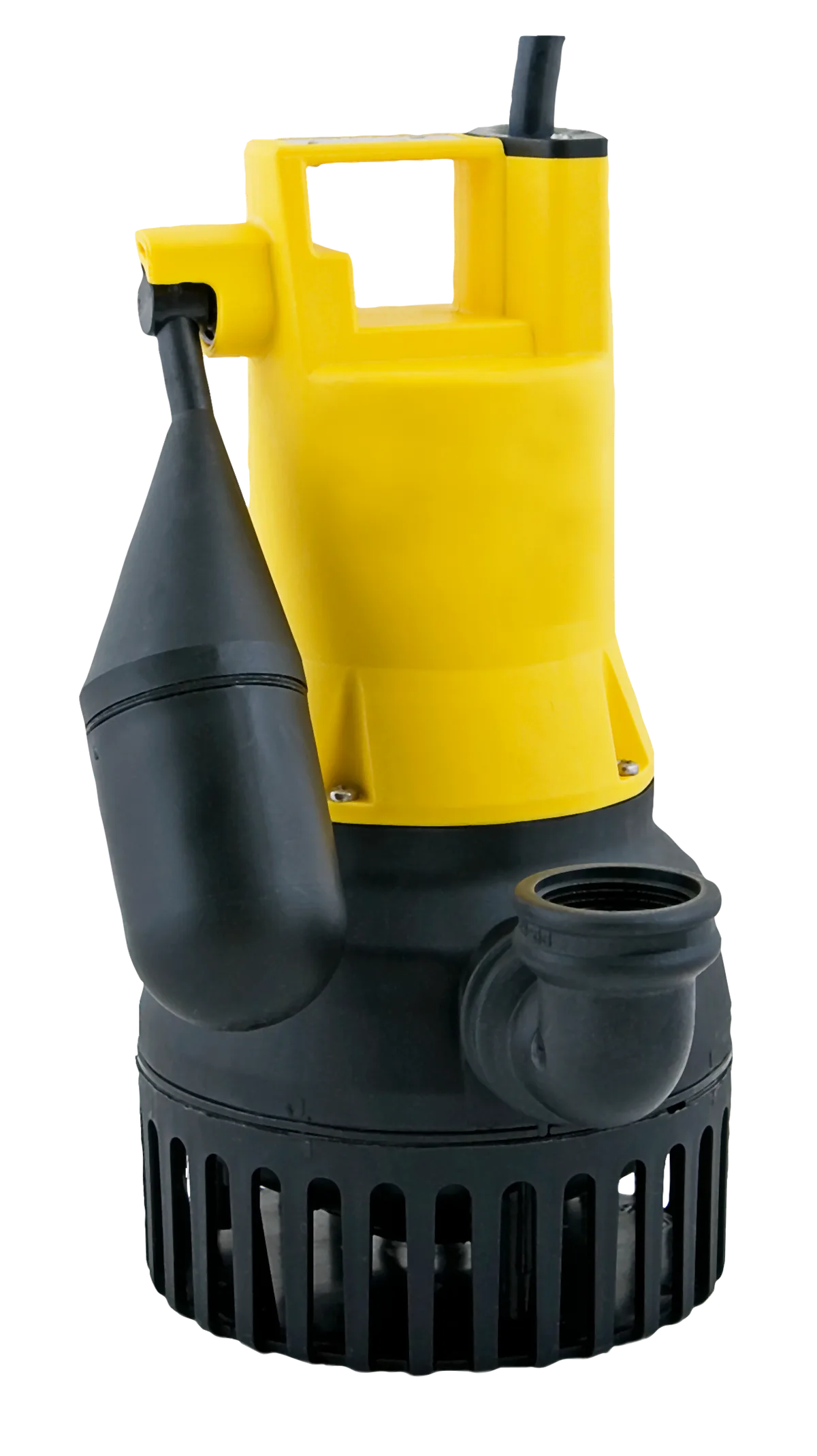
Image source: Wikimedia Commons / PumpExpert (CC BY-SA)
Calculating Runtime Percentage
Record total minutes the pump runs within your observation window using a stopwatch or smart plug logger. Divide that number by the total minutes in the observation period. Multiply the result by one hundred to get your duty cycle percentage.
A reading above fifty percent for an intermittent-duty motor signals trouble. Continuous-duty rated pumps can handle higher percentages safely. Always cross-reference your calculated value against the nameplate rating or manufacturer technical documentation to confirm safe operating limits.
Measuring Starts Per Hour
Count every motor activation during peak water inflow periods rather than averaging across calm hours. Aggregate reviews report that short-cycling damage accumulates fastest during sustained heavy rain when thermal mass cannot dissipate heat between starts. This is where most failures originate.
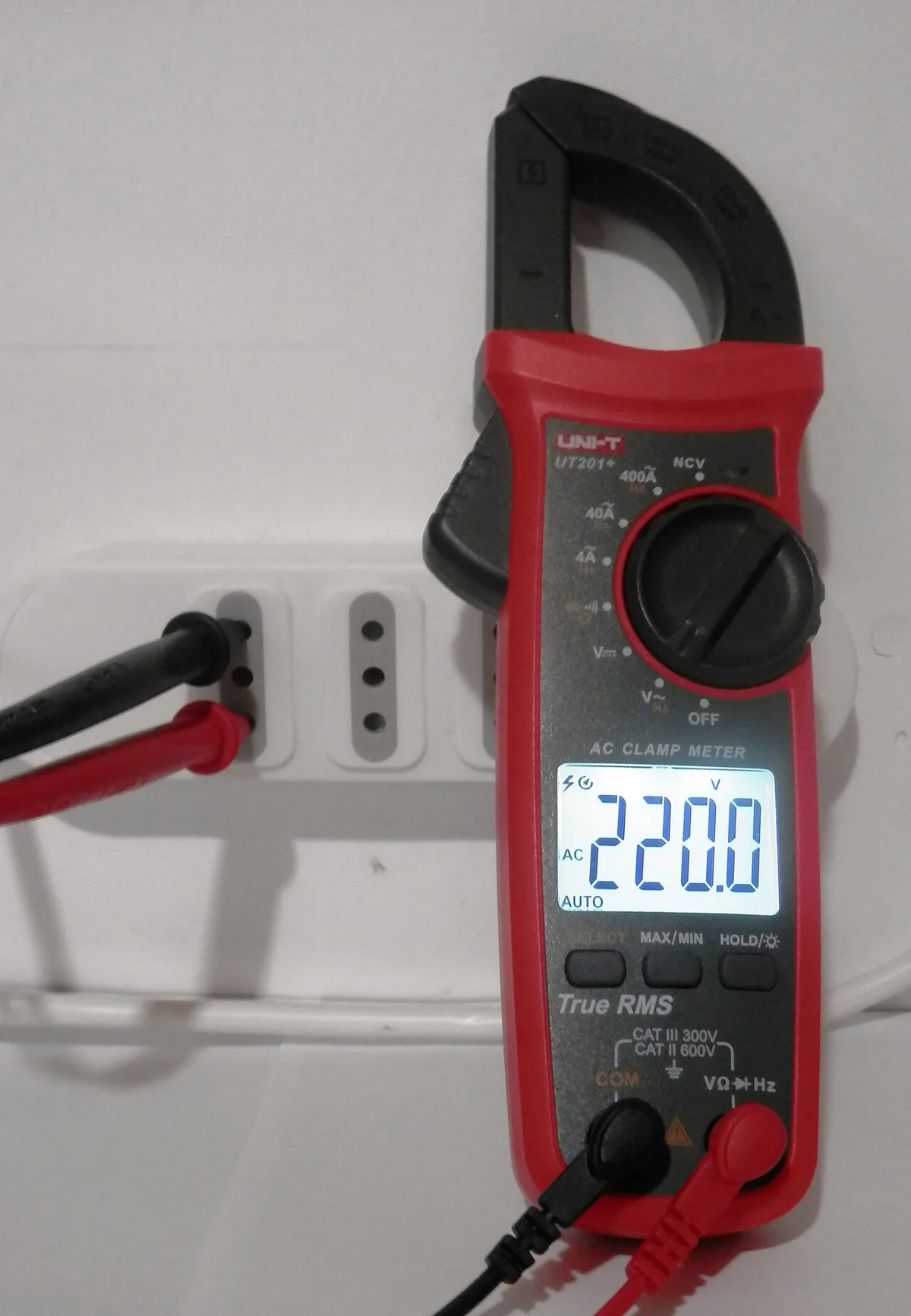
Image source: Wikimedia Commons / Benjaminpvera (CC BY-SA)
Divide total starts by the number of hours observed to get average frequency. Compare this against NEMA guidelines for your motor type. If you’re troubleshooting other appliance issues like interpreting dryer fault codes, similar cycle-counting principles apply to prevent misdiagnosis.
Decision Guide: Interpreting Your Numbers Against Motor Ratings
Your calculated numbers only matter when compared against verified equipment specifications. Different motor designs tolerate vastly different operating profiles without damage. Using the wrong benchmark leads to unnecessary replacements or missed failure warnings.
| Metric | Intermittent Duty Safe Range | Continuous Duty Safe Range | Action Required If Exceeded |
|---|---|---|---|
| Runtime % | Below 50% | Up to 100% | Upsize pump or add second unit |
| Starts/Hour | 6 to 10 max | Unlimited | Check valve or float switch repair |
| Run Time/Cycle | Under 30 sec | No limit | Verify basin volume and pipe sizing |
| Recovery Time | 2+ min between starts | None | Adjust switch differential or tether |
If runtime percentage exceeds limits but starts per hour remain normal, your pump lacks sufficient head capacity. Water enters faster than the system removes it. Proper appliance maintenance routines share this same principle of matching component capability to actual demand loads.
High starts per hour with low runtime percentage almost always indicates mechanical problems rather than sizing issues. Check valves stuck open let water backflow into the pit immediately after shutdown. Float switches catching on debris or improper tether length cause erratic triggering unrelated to actual water levels.
Common Calculation Mistakes That Burn Out Pumps
Measuring during dry weather produces dangerously misleading baseline data. Storm events create entirely different thermal and mechanical stresses that calm-period measurements never reveal. Our research shows most DIY assessments fail because they sample only ideal conditions.
Ignoring motor service factor leads to false confidence in marginal readings. A 1.15 SF motor handles temporary overloads better than a 1.0 SF unit at identical calculated duty cycles. Nameplate amperage alone does not tell the full thermal story without accounting for this multiplier.
Confusing pedestal and submersible thermal tolerances causes preventable failures. Submerged motors benefit from surrounding water cooling while pedestal units rely solely on ambient air convection. Identical duty cycle percentages produce vastly different winding temperatures between these configurations.
Overlooking voltage drop effects skews all downstream calculations. Undersized wiring or long cord runs reduce available torque during startup. The motor draws higher amperage for longer periods to reach operating speed, generating excess heat that pure timing measurements miss entirely.
Treating manufacturer maximum ratings as comfortable operating targets accelerates wear. Engineering tolerances exist for safety margins, not daily use goals. Staying well below published limits extends service life significantly compared to running consistently near design boundaries.
Frequently Asked Questions
What is a good duty cycle for a residential sump pump?
Most residential intermittent-duty pumps perform best below thirty percent runtime during normal conditions. During peak storms, staying under fifty percent prevents thermal overload. Continuous-duty models handle higher percentages safely but cost more upfront.
Always verify your specific motor’s nameplate rating rather than assuming universal standards apply.
How many times should a sump pump cycle per hour?
Residential intermittent-duty motors should start no more than six to ten times hourly. Exceeding this threshold risks rapid winding burnout regardless of individual run duration. Frequent cycling usually indicates check valve failure, undersized basin volume, or float switch obstruction.
Address the root cause before replacing the motor.
Can I convert an intermittent-duty pump to continuous duty?
No, duty rating depends on internal motor construction including insulation class, cooling method, and bearing design. External modifications cannot change these fundamental engineering parameters. If your application demands continuous operation, replace the entire unit with a properly rated model.
Running intermittent motors beyond spec voids warranties and creates fire hazards.
Does horsepower affect acceptable duty cycle?
Horsepower determines flow capacity, not thermal endurance. A half-horsepower continuous-duty motor tolerates higher duty cycles than a one-horsepower intermittent unit. Match the duty rating to your expected operating pattern first, then select adequate horsepower for your head height and flow requirements.
Bigger motors do not automatically mean safer operation.