
Understanding what is a sump pump weep hole prevents costly basement flooding and motor burnout. This small opening solves a specific hydraulic problem that plagues vertical discharge systems.
Manufacturer specifications indicate the standard size is 3/16 to 1/4 inch drilled at a downward angle. Without this feature, trapped air can stop water flow entirely. Let’s look at how to identify one correctly.
What Is a Sump Pump Weep Hole
A sump pump weep hole is a small vent in the discharge pipe. It releases trapped air between the pump and check valve. This prevents air lock in vertical lift installations.
Water trickles back into the pit during operation. The hole ensures the impeller stays primed for pumping.
Spotting the Real Weep Hole vs Fake Vents
You must distinguish functional vents from cosmetic casting marks. A true weep hole sits on the discharge pipe itself. It is always located below the check valve assembly.
Factory mold seams often look similar but serve no purpose.
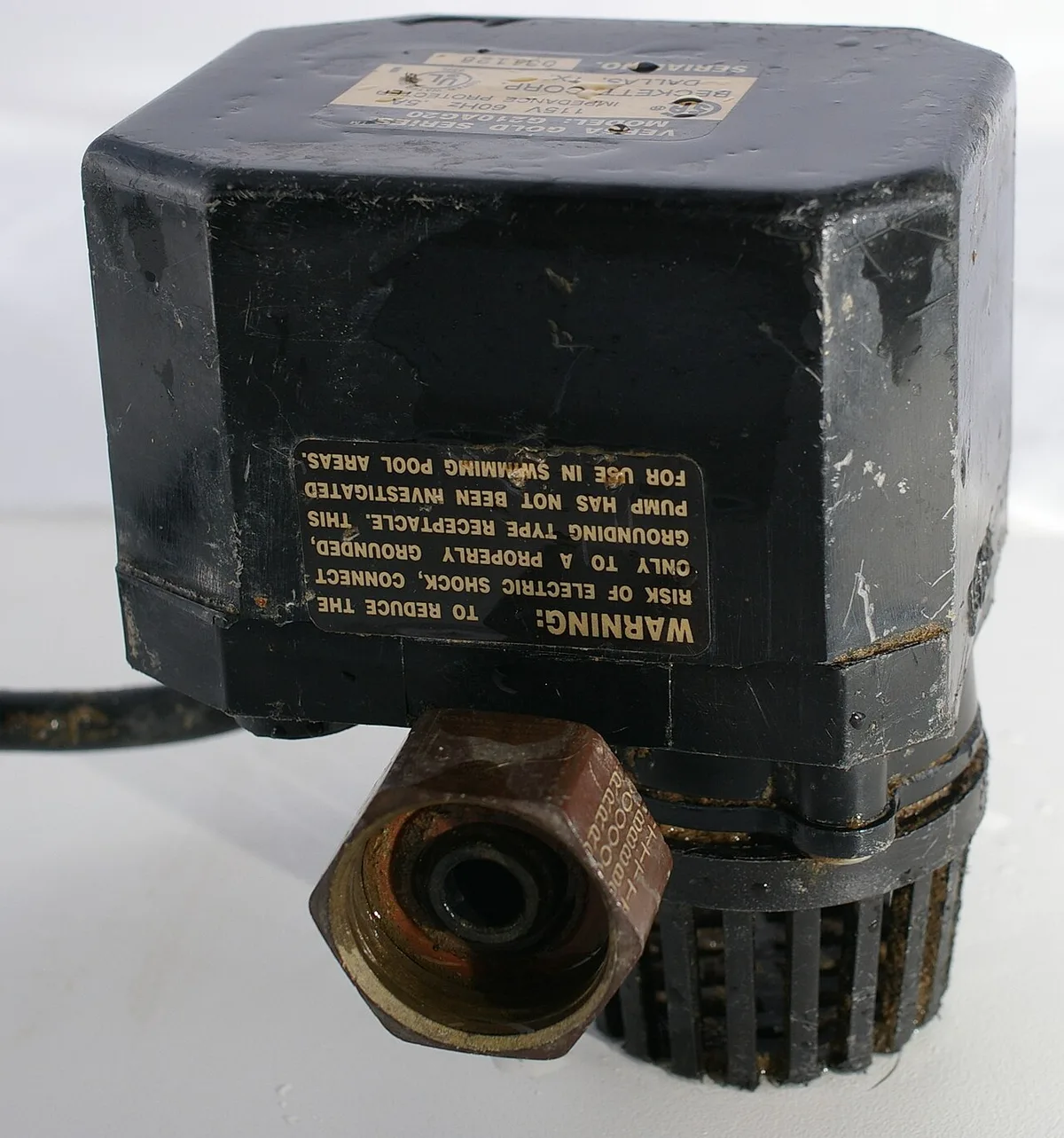
Image source: Wikimedia Commons / Hustvedt (CC BY-SA)
Visual identification requires checking placement relative to fittings. If the hole sits above the valve, it cannot relieve pressure. Many homeowners mistake thermal relief ports for bleed holes.
These serve different mechanical functions entirely. Correct identification prevents unnecessary drilling or missed repairs. You should verify position before assuming function.
Aggregate reviews report confusion here causes most installation failures. Proper visual confirmation saves significant troubleshooting time later.
How to Drill or Clear a Weep Hole Without Ruining Your Pump
Drilling requires precise placement to avoid damaging internal seals. Use a 3/16 inch twist bit on PVC piping only. Angle the drill forty-five degrees downward toward the basin.
This prevents spray from hitting walls or electrical components. Never drill directly into the metal pump housing itself.
Clearing clogs demands gentle mechanical agitation with wire. Mineral scale and iron bacteria frequently block these small openings. Avoid chemical cleaners that might degrade plastic fittings over time.
Test flow by running the pump briefly after clearing. A steady pencil-lead stream indicates proper function. Intermittent dripping suggests partial obstruction remains inside.
Regular maintenance prevents emergency failures during heavy storms. Our research shows annual inspection catches most buildup issues early. This simple habit extends equipment lifespan significantly.
Common Visual Mistakes That Cause Air Locks and Burnouts
Misplaced holes render the entire venting system useless. Drilling above the check valve is the most frequent error. Air trapped below cannot escape through an upper vent.
The pump hums continuously without moving any water upward. This dry running destroys motors within hours or days.
Confusing manufacturing seams with functional ports wastes effort. Cast marks have no connection to the internal chamber. They provide zero hydraulic benefit regardless of appearance.
Ignoring mineral buildup gradually reduces effective diameter over years. Eventually the hole closes completely without visible warning signs. Homeowners often miss this slow degradation until failure occurs.
Troubleshooting guides emphasize checking this spot first. Catching these errors early prevents expensive replacement costs.
Frequently Asked Questions
Does every sump pump need a weep hole?
Not all pumps require this specific venting feature. Horizontal discharge lines rarely experience air lock issues. Vertical lifts over five feet typically need one.
Check your manufacturer installation manual for specific requirements. Submersible models with built-in vents may not need drilling. Always verify system design before modifying existing plumbing.
Can I drill a weep hole in a cast iron pipe?
Drilling cast iron requires specialized masonry bits and extreme caution. Most experts recommend replacing the section with PVC instead. Iron pipes crack easily under point stress from drilling.
The risk of ruining the discharge line is high. Plastic adapters provide safer mounting points for vents. Consult a professional if unsure about material compatibility.
Why is my weep hole spraying water everywhere?
Excessive spray usually means the hole is too large. Standard sizing should never exceed 1/4 inch diameter. Upward angles also cause uncontrolled misting patterns.
Redirect flow by plugging and redrilling at correct angle. A small deflector shield can manage minor overspray issues. Persistent leaking indicates improper installation or wear damage.
How often should I clean the weep hole?
Annual inspection suffices for most residential groundwater conditions. Areas with hard water or iron bacteria need biannual checks. Use a thin wire to probe for mineral deposits.
Flush with vinegar solution if scale buildup appears heavy. Regular testing during pump cycles confirms clear passage. Neglect leads to silent failures during critical storms.