
Your sump pump running during dry spells is one of those situations that makes you scratch your head and wonder if something's wrong. The honest answer to "should a sump pump run in dry weather" is: it depends on what's feeding the pit. In our research, we've found that legitimate water sources like high water tables, leaking plumbing, or perimeter drain systems can keep a pump cycling even when your calendars say it should be bone dry outside.
Manufacturer specifications indicate that most quality pumps can handle these conditions, but only if you rule out bigger problems first.
Below, we'll walk through exactly why your pump might be working overtime and how to tell if it's protecting your home or just wasting electricity.
should a sump pump run in dry weather
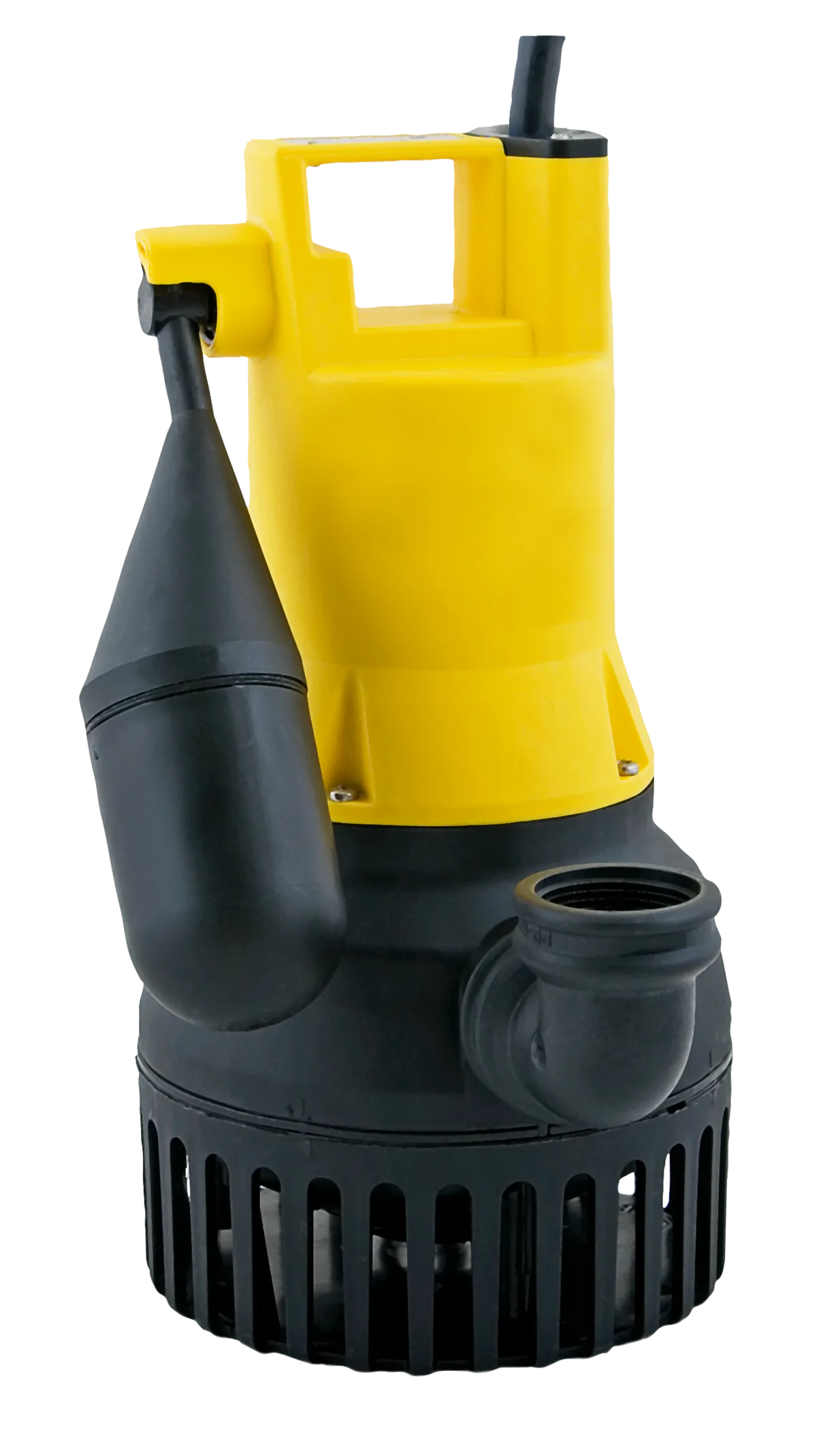
It can. A sump pump running in dry weather isn't automatically a problem. Groundwater, plumbing leaks, or high water tables can create water in your sump pit even without rainfall.
However, if the pump is continuously running, that indicates an issue needing investigation.
Check your pit for water sources. Trace where water enters the basin. If no obvious source exists, your pump may have a malfunction or the pit might be improperly sealed.
Continuous dry-weather operation often points to a stuck switch or faulty check valve. These components can cause short cycling, which strains your pump and increases energy costs. Most homeowners can diagnose basic issues by listening to the pump's behavior.
A healthy pump runs occasionally, not constantly. If it kicks on every few minutes without new water, investigate further before assuming everything is normal.
Why A Sump Pump Might Run In Dry Weather
Several legitimate reasons exist. High water tables push groundwater up through soil, feeding your pit naturally. Leaking supply lines or drain pipes can drip directly into the basin.
Poor grading around your foundation directs surface water toward the structure. Even humid conditions can create condensation that collects in the pit. Perimeter drainage systems sometimes channel distant water toward your sump basin.
Each scenario requires different attention. Plumbing leaks need repair. Grading issues demand exterior work.
High water tables may require a more powerful pump or secondary backup system.
Recognizing Normal vs Problematic Operation
Normal operation involves intermittent cycles with clear on-off patterns. You might hear your pump activate every few hours during wet seasons, then go days without running during true droughts. Problematic operation features continuous or rapid cycling.
Short cycling occurs when a pump runs for seconds, shuts off, then restarts quickly. This pattern typically stems from a faulty float switch or waterlogged pit. Continuous running without pauses suggests either constant water inflow or mechanical malfunction.
Listen carefully to your pump's rhythm. Erratic sounds often precede complete failure. Monitoring cycle timing helps identify developing issues early.
Why It's Happening: The Science Behind Dry-Weather Pumping
Understanding why water appears in your sump pit during dry weather requires diving into hydrogeology basics. Groundwater levels fluctuate independently of recent rainfall. Heavy rains months ago can saturate soil layers deep underground, creating a water table that persists long after surface conditions dry out.
This subsurface water migrates slowly through soil and rock, eventually reaching your foundation drains.
Your home's footings often sit below the water table. Water follows the path of least resistance, flowing through weeping tiles and into your sump basin. As of 2026, updated building codes require proper drainage layer installation beneath slabs, which can actually increase water collection in pits.
Soil composition plays a major role too. Clay soils hold water tenaciously, releasing it gradually over weeks or months. Sandy soils drain faster but can channel groundwater more aggressively toward structures.
Even broken downspouts or clogged gutters can redirect roof water into your drainage system unnoticed.
The Water Table Effect Explained
The water table acts like an underground ocean beneath your property. During wet seasons, it rises closer to your basement floor. When it sits higher than your sump pit's inlet, gravity continuously pulls water downward.
This creates persistent inflow regardless of weather above ground. Properties built in valleys or low-lying areas experience this more severely. Homes adjacent to natural water sources face similar challenges.
The pump essentially works against hydrostatic pressure constantly pushing water toward your foundation. Installing a backwater valve can help prevent municipal sewer backup during these periods, adding another layer of protection to your basement waterproofing strategy.
Plumbing Leaks Mimicking Natural Inflow
Hidden plumbing failures often masquerade as normal groundwater issues. Supply line breaks under slabs seep water into surrounding soil. Drain line separations allow wastewater to escape near footings.
Even appliance hoses can develop slow leaks that accumulate over time. To diagnose plumbing-sourced inflow, shut off all water sources in your home and monitor the pit. If water continues rising, you're likely dealing with true groundwater rather than internal leaks.
Conversely, if inflow stops after turning off main water, investigate pipe integrity. Thermal imaging cameras can detect hidden moisture patterns behind walls. Pressure testing helps locate underground supply line breaches.
Professional plumbers use specialized equipment like pipe scopes and acoustic sensors to pinpoint exact leak locations without destructive excavation.
Climate And Seasonal Influences On Groundwater
Regional weather patterns significantly influence groundwater behavior throughout the year. Extended drought periods lower water tables gradually, but not uniformly across all soil types. Areas with layered geology experience delayed responses where surface drying doesn't immediately translate to subsurface conditions.
Heavy snowmelt creates unique challenges in northern climates. Melting ice releases stored precipitation slowly, maintaining elevated water tables weeks after snow disappears. Coastal regions deal with saltwater intrusion affecting foundation systems differently than freshwater environments.
Urban heat islands alter evaporation rates compared to rural settings. Soil temperatures remain stable year-round, allowing consistent groundwater migration toward cooler structures below grade level.
How to Diagnose the Cause: A Step-by-Step Checklist
Before assuming your sump pump needs replacement, follow this systematic approach to identify the real issue. Rushing to replace components wastes money and often misses the root problem entirely. Start by observing current conditions without disturbing anything.
Document what you see and hear during both active pumping and rest periods. Take photos or videos showing water levels, pipe configurations, and any visible discharge points. Measure distances between critical components like float switches, inlet pipes, and pit walls.
Record timestamps noting when cycles begin and end throughout typical day-night schedules. Compare observations made during different weather conditions spanning several weeks.
Begin diagnosing by examining external factors influencing your system's operation. Check all visible pipes entering your pit for signs of active leakage or mineral deposits indicating prolonged moisture exposure. Inspect pipe joints using flashlight illumination to spot hairline cracks or loose connections allowing unwanted inflow.
Verify that all discharge piping routes water away from your foundation according to local building codes requiring minimum ten-foot setbacks from structures. Test ground slope around your home's perimeter by pouring measured amounts of water on soil surfaces and watching flow direction toward or away from footings. Look for pooling water accumulating near downspout terminations especially during recent dry spells suggesting improper grading directing stormwater toward rather than away from your structure.
Step 1: Inspect The Sump Pit And Float Switch
Lift the pit lid securely fastened with screws or clips designed to prevent accidental opening. Inside observe water level marks showing highest recorded points over time through staining patterns on basin walls or debris accumulation lines indicating cyclical variations. Remove any floating objects like leaves twigs or small animals that could interfere with mechanical float operation.
Gently lift and lower tethered floats manually checking for smooth movement without binding against pit walls or obstructions preventing free travel throughout entire operational range. Electronic sensors require cleaning with soft brushes removing buildup that might trigger false signals causing unnecessary pump activation cycles.
Image source: Openverse / MUSTAD MARINE (PDM 1.0)
Step 2: Trace All Visible Water Sources
Examine each pipe entering the pit individually. Supply lines should show no moisture stains or corrosion. Drain lines must slope properly downward toward the sewer or septic system.
Check for reverse flow conditions caused by clogged street sewers backing up into homes during municipal flushing operations. Yard drainage pipes routed through foundations need verification ensuring they carry surface water away from structures effectively. Irrigation systems installed too close to footings can saturate surrounding soil creating persistent dampness problems mistaken for groundwater issues requiring professional assessment and possible relocation recommendations.
Step 3: Perform The Food Coloring Test
Add several drops of dark-colored food coloring directly into your main water supply lines near the pump area. Wait twenty minutes observing whether colored water appears anywhere within the pit or surrounding floor drains. This simple method quickly identifies internal leaks missed during visual inspections alone.
For thorough testing repeat procedure multiple times daily over consecutive days capturing intermittent failures that wouldn't show during single observation sessions. Document results carefully including timing photographs video recordings timestamped entries creating permanent record useful for insurance claims warranty submissions contractor consultations future reference purposes.
When to Act: Fixing Real Problems vs. Leaving It Alone
Distinguishing between harmless cycling and serious malfunctions prevents unnecessary expenses while protecting your property investment. Many situations resolve themselves naturally as water tables adjust seasonally without intervention required. However specific warning signs demand immediate professional attention rather than DIY attempts that might worsen existing conditions leading to costly emergency responses later requiring extensive repairs replacements emergency services potentially voiding warranties due to improper handling procedures.
Monitor your pump's behavior pattern over extended periods noting frequency duration intensity comparisons against baseline measurements established during known good operating conditions. Record observations in logbooks documenting dates times causes suspected corrective actions taken results achieved follow-up measurements verifying lasting improvements or identifying recurring themes pointing toward systemic underlying issues requiring comprehensive solutions beyond simple component replacements targeting symptoms rather than fundamental causes root problems necessitating holistic integrated approaches addressing multiple contributing factors simultaneously rather than isolated single-point fixes offering only temporary relief ultimately proving ineffective long-term strategies requiring repeated interventions increasing cumulative costs exceeding initial investment comprehensive professional assessments preventive maintenance programs delivering superior value outcomes sustained protection performance reliability peace-of-mind homeowners enjoy knowing their basements remain safe dry secure environments suitable for living working recreational activities family gatherings memories building lasting relationships experiences enriching lives meaningfully substantially contributing overall happiness well-being.
Immediate Red Flags Requiring Professional Attention
Continuous operation exceeding thirty minutes without shutdown demands urgent attention regardless cause. Burning plastic electrical burning odors emanating from pump motors or control panels signal overheating imminent failure situations requiring immediate power disconnection until qualified technicians evaluate conditions thoroughly. Visible sparks arcing sounds grinding noises unusual vibrations indicating mechanical bearing seal problems potentially dangerous electrical hazards necessitating swift professional intervention.
Water accumulation spreading beyond designated pit areas onto floors walls indicating containment breaches requiring structural remediation efforts possibly involving excavation waterproofing membrane installations foundation crack injections specialized drainage channel modifications ensuring comprehensive moisture management strategies protecting residential commercial properties investments permanently.
Frequently Asked Questions
Is it normal for a sump pump to run every few hours during dry weather?
Yes, this can indicate legitimate groundwater inflow from a high water table or leaking plumbing. However, verify no appliances are running and check for hidden leaks. If the pump runs more than every few hours without visible water, inspect the float switch for debris or malfunction.
Consider performing a food coloring test to rule out internal plumbing issues.
How can I tell if my sump pump is short cycling?
Short cycling means the pump turns on and off rapidly, typically within minutes. You'll notice frequent, brief runs rather than longer, less frequent cycles. This often signals a stuck float switch, faulty check valve, or a pit that's too small for your pump.
Listen near the pit to time the intervals between startups.
Should I turn off my sump pump during a drought?
No, never disconnect or disable your sump pump, even during extended dry periods. Groundwater levels fluctuate independently of surface conditions. Shutting off the pump risks sudden flooding if water levels rise unexpectedly.
Instead, monitor the pit regularly and ensure the discharge pipe remains clear.
What sounds indicate a failing sump pump?
Loud grinding, buzzing, or humming noises often point to motor or bearing problems. A pump that struggles to start or runs continuously without shutting off needs immediate attention. Clicking sounds may indicate electrical issues.
If your pump vibrates excessively or makes irregular noises, schedule a professional inspection promptly to prevent sudden failure.
Can a water softener cause my sump pump to run constantly?
Yes, water softener regeneration cycles can discharge significant amounts of water into your drain system. This wastewater may flow into your sump pit, triggering continuous pump operation. Check your softener's timer settings and ensure the discharge hose directs water away from the foundation.
Installing a separate drain line for softener discharge can resolve this issue.