
Why is my sump pump running continuously? It usually means the pump thinks there's always water to remove. A stuck float switch, broken check valve, or blocked discharge pipe can trick it into running endlessly.
That constant cycling wastes electricity and burns out the motor fast.
Understanding the root cause starts with knowing how each component works together. Per Underwriters Laboratories (UL) safety standards, properly functioning sump pumps cycle off between cycles at least every few minutes, never continuously. So if yours won't shut off, something in the system has failed.
Here's how to find which part is breaking down.
Why is my sump pump running continuously
The float switch is stuck in the “on” position.
Debris weighs down the switch arm in the sump pit.
The check valve allows water to flow backward into the pit.
Ice or clogs block the discharge pipe outlet.
The pump’s internal pressure switch malfunctions.
These problems all prevent the pump from detecting when the water level is low enough to turn off. Each one produces the same symptom, continuous operation, but requires a different fix.
How to Diagnose the Main Causes Yourself
Start by turning off the pump at the GFCI outlet to prevent overheating. Then inspect these four common culprits in order.
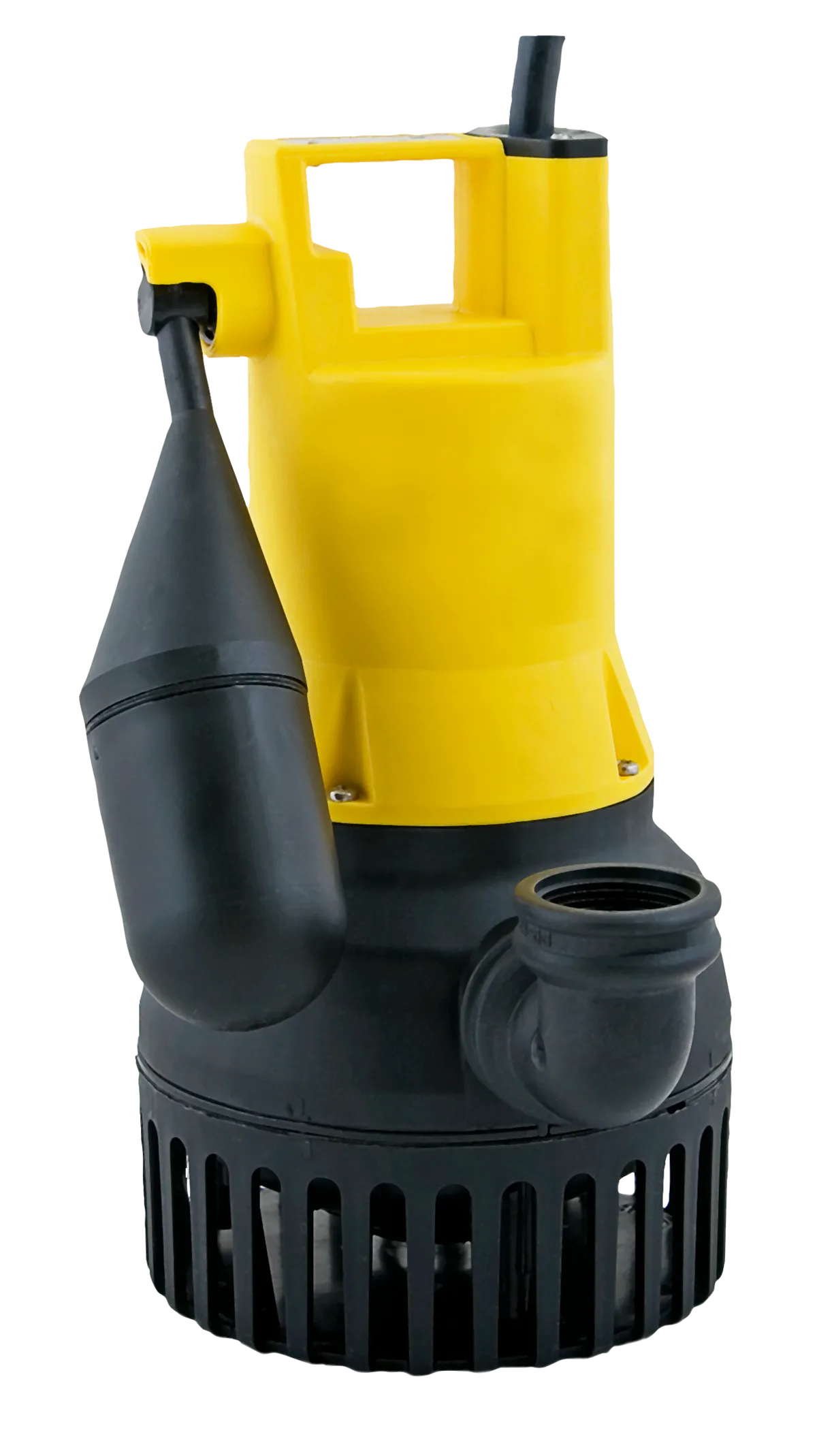
Image source: Wikimedia Commons / PumpExpert (CC BY-SA)
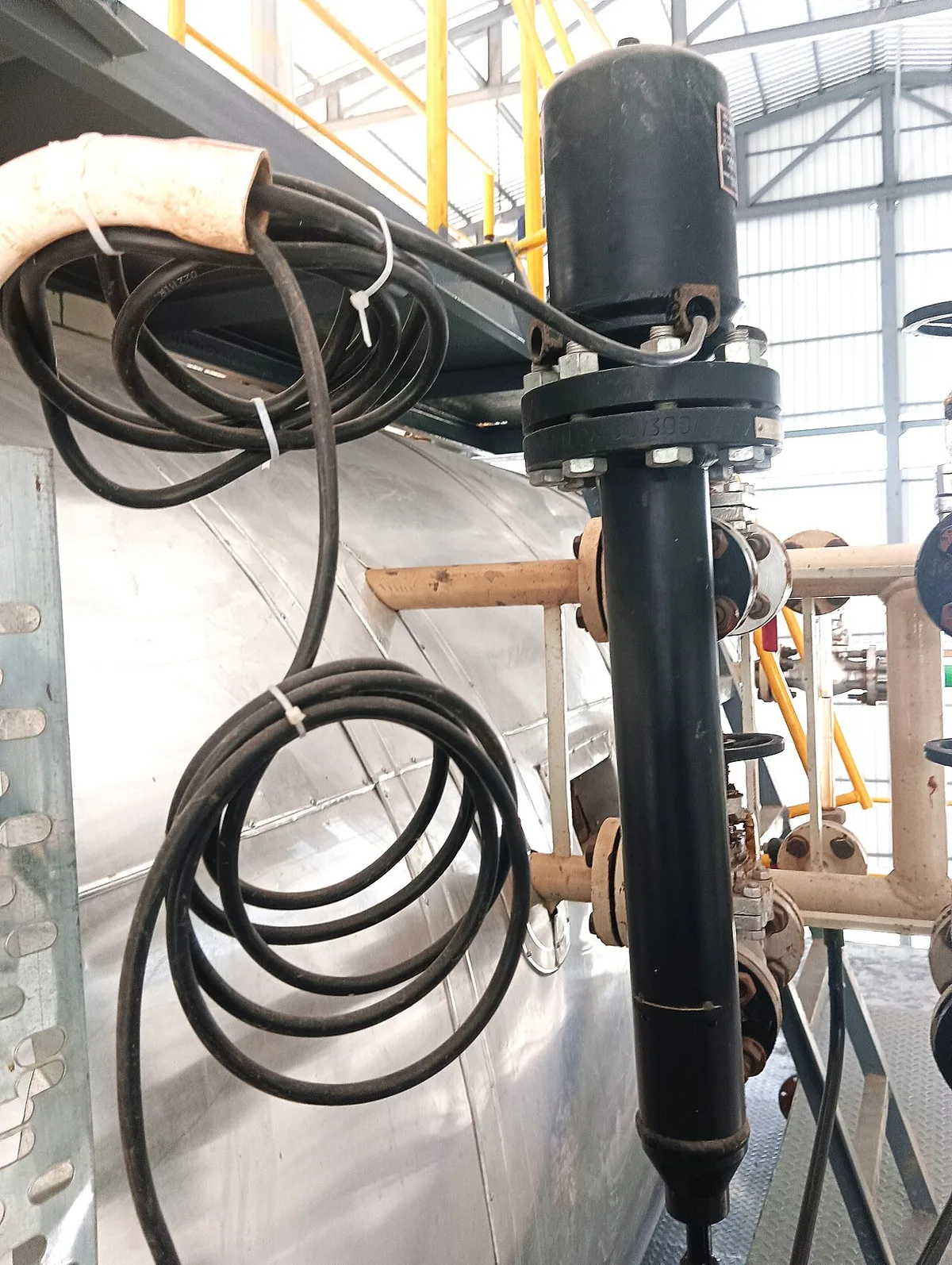
Image source: Wikimedia Commons / Palagiri
Check the float switch
Lift the float switch arm manually by hand. If the pump starts, then stops when you lower it, the switch is likely working correctly.
If it doesn't respond, remove it from the pit entirely and shake it gently while touching an ohmmeter to the terminals. A functional switch should show continuity in one direction and open circuit in the other.
Inspect the check valve
Disconnect the discharge pipe from the check valve fitting. Water should drain out of the vertical pipe section immediately.
If water continues flowing back into the pit after shutting off the pump, the check valve has failed and needs replacement.
Clear the discharge pipe
Pour a garden hose into the pipe from outside where it empties. If water flows freely, the line is clear.
Ice buildup, roots, or debris often block the pipe. In freezing climates, wrap exposed sections with heat tape as a temporary fix.
Step-by-Step Fixes You Can Try First
Most issues can be resolved without calling a professional. Gather these basic tools before starting.
| Tool | Purpose |
|---|---|
| Adjustable wrench | Loosen discharge pipe connections |
| Shop vacuum | Remove standing water from pit |
| Utility knife | Cut away debris blocking switch |
| Replacement float switch | Fix worn mechanical components |
| PVC slip-joint coupling | Repair broken discharge piping |
Clean the float switch
Turn off power. Remove the switch from the pit. Wipe away any buildup with a damp cloth.
Reattach and test by lifting the arm.
Replace the float switch
If cleaning doesn’t work, buy a new vertical or horizontal switch rated for your pump model. Wire nuts connect the old wires to the new switch terminals.
Install a new check valve
Shut off water flow. Disconnect the old valve. Apply plumber’s tape to threads.
Install the new valve so the arrow points upward.
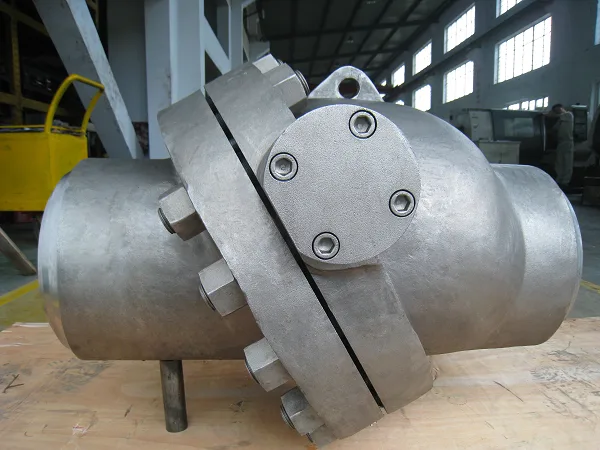
Image source: Wikimedia Commons / United States Department of Energy
When to Call a Pro Instead
Some electrical or plumbing issues require licensed expertise. If rewiring or major pipe work is needed, hiring a certified technician protects both safety and warranty coverage.

Image source: Wikimedia Commons / Eric Jones (CC BY-SA)
A licensed plumber or electrician can verify proper grounding per National Electrical Code standards and confirm your local municipality’s discharge requirements. For persistent motor problems, consulting a manufacturer-approved service center ensures authentic replacement parts and accurate diagnostics.
Sump Pump Running Nonstop FAQs
Does a bad check valve make the pump run constantly?
Yes, exactly. When the check valve fails, water drains back into the sump pit after each cycle. The pump detects rising water levels and turns on again, creating a continuous loop until it burns out.
What happens if the float switch is stuck?
A stuck float switch signals the pump to stay running indefinitely. The impeller keeps spinning with no water intake, generating heat that damages seals and eventually overheats the motor winding.
Can a frozen discharge pipe cause continuous operation?
Absolutely. Ice blocks the outlet, so water can’t escape. Pressure builds inside the system and forces water back through weak points, tricking the pump into thinking the pit still has high water.
How long should a sump pump run per cycle?
Under normal conditions, the pump should shut off within one to two minutes after the float drops below the activation point. Any longer suggests mechanical failure or system blockage requiring immediate attention.