
How to fix a sump pump that will not turn on usually starts the same way for most homeowners. You hear water rising in the pit but nothing kicks in. That moment of silence is unsettling because you know what is at stake.
Most failures come down to power, switches, or blockages rather than a dead motor. Testing a standard residential sump pump on a 115-volt circuit draws roughly 4 to 8 amps when running normally. Let's get you through finding and fixing the holdup.
how to fix a sump pump that will not turn on
Start by making sure the pump is actually plugged in or hardwired correctly. Next, check the GFCI outlet or circuit breaker serving the pump for a trip or blow. Then, lift the float switch manually to see if the motor starts.
If it still does nothing, test the outlet with another device and inspect the switch for damage. Finally, remove the pump and check the impeller for clogs before deciding whether to repair or replace it.
Your Sump Pump Won't Start: Here's the First Thing to Check
Before diving into repairs, make sure the problem is not a simple power issue. The most common reason a sump pump stays silent is a loss of electrical supply. If your pump plugs into a wall outlet, check whether the cord is fully seated and the outlet is live.
Many sump pump outlets use GFCI protection, which trips easily when damp or overloaded. Plug a small appliance into the same outlet to confirm power is reaching it.
If the pump is hardwired, look at the circuit breaker panel instead. A tripped breaker is easy to miss because the switch may look almost normal. Turn it fully off and then back on to reset it properly.
Some setups also include a separate switch for the sump pump that can be accidentally flipped. Once power is confirmed, move on to the next step, since a dead outlet or breaker explains most "nothing happens" cases.
How Your Sump Pump Is Supposed to Work (And Where It's Breaking Down)
A sump pump relies on a simple cycle. Water flows into the pit. A float switch rises with the water level.
When the float tilts, it closes an internal electrical contact. That signals the motor to turn on and push water out through the discharge pipe. Once the water drops, the float falls and cuts power to the motor again.
Problems usually happen at one of those trigger points. A stuck or waterlogged float switch is a leading cause of failure. Debris in the pit can weigh the float down or jam it against the pump housing.
The pressure or diaphragm switch built into some pumps can also wear out over time. Motor burnout occurs when the impeller seizes from debris or age. Even a functioning pump can seem broken if the discharge pipe freezes or the check valve sticks closed, creating backpressure that stops flow.
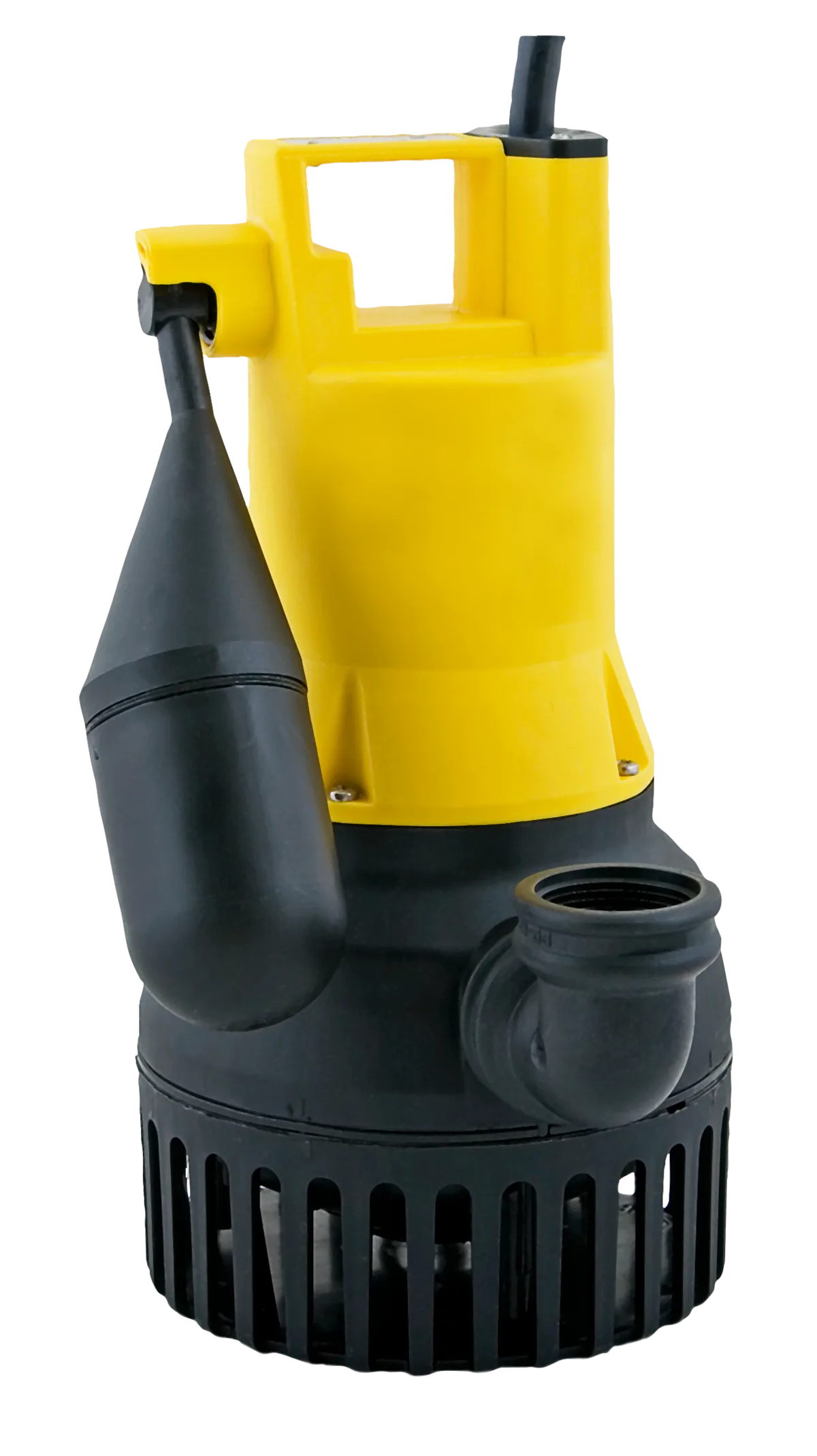
Image source: Wikimedia Commons / PumpExpert (CC BY-SA)
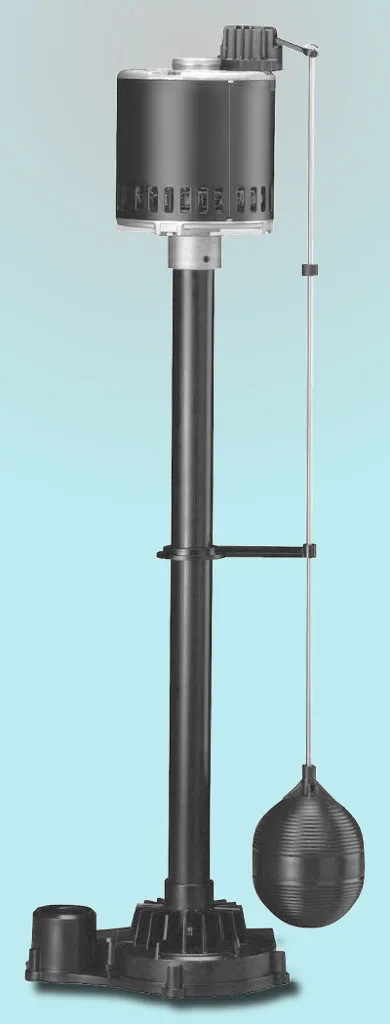
Image source: Wikimedia Commons / Own work (CC BY-SA)
Each component has a role, so isolating which part failed speeds up the fix. The goal is matching symptoms to the right cause rather than replacing parts blindly.
Step-by-Step: Diagnose and Fix Your Silent Sump Pump
Work through these checks in order. Stop and confirm each step before moving to the next. This approach avoids unnecessary part replacements.
1. Verify power supply
Unplug the pump and plug a lamp or radio into the same outlet. If the device does not turn on, reset the GFCI outlet or flip the circuit breaker serving it. Once power returns, plug the pump back in.
If the outlet tests dead, that is your problem.
2. Inspect the float switch
Remove any debris from the pit floor and gently move the float by hand. It should move freely without binding. If the float feels waterlogged or heavy, replace it.
A malfunctioning float is one of the cheapest and most frequent fixes.
3. Bypass the switch temporarily
Disconnect the pump from the float wiring harness if it has one. Use a multimeter to confirm the pressure or diaphragm switch is closed when activated. If the pump runs when wired directly, the switch is at fault.
4. Check the impeller
Pull the pump from the pit and remove the intake screen. Spin the impeller by hand. It should turn smoothly without grinding.
Clear away hair, string, or small objects wrapped around the shaft.
5. Examine the discharge line
Disconnect the discharge hose or pipe and run water into the pit. If the pump kicks on but water does not exit, inspect the check valve and look for ice or blockages in the pipe.
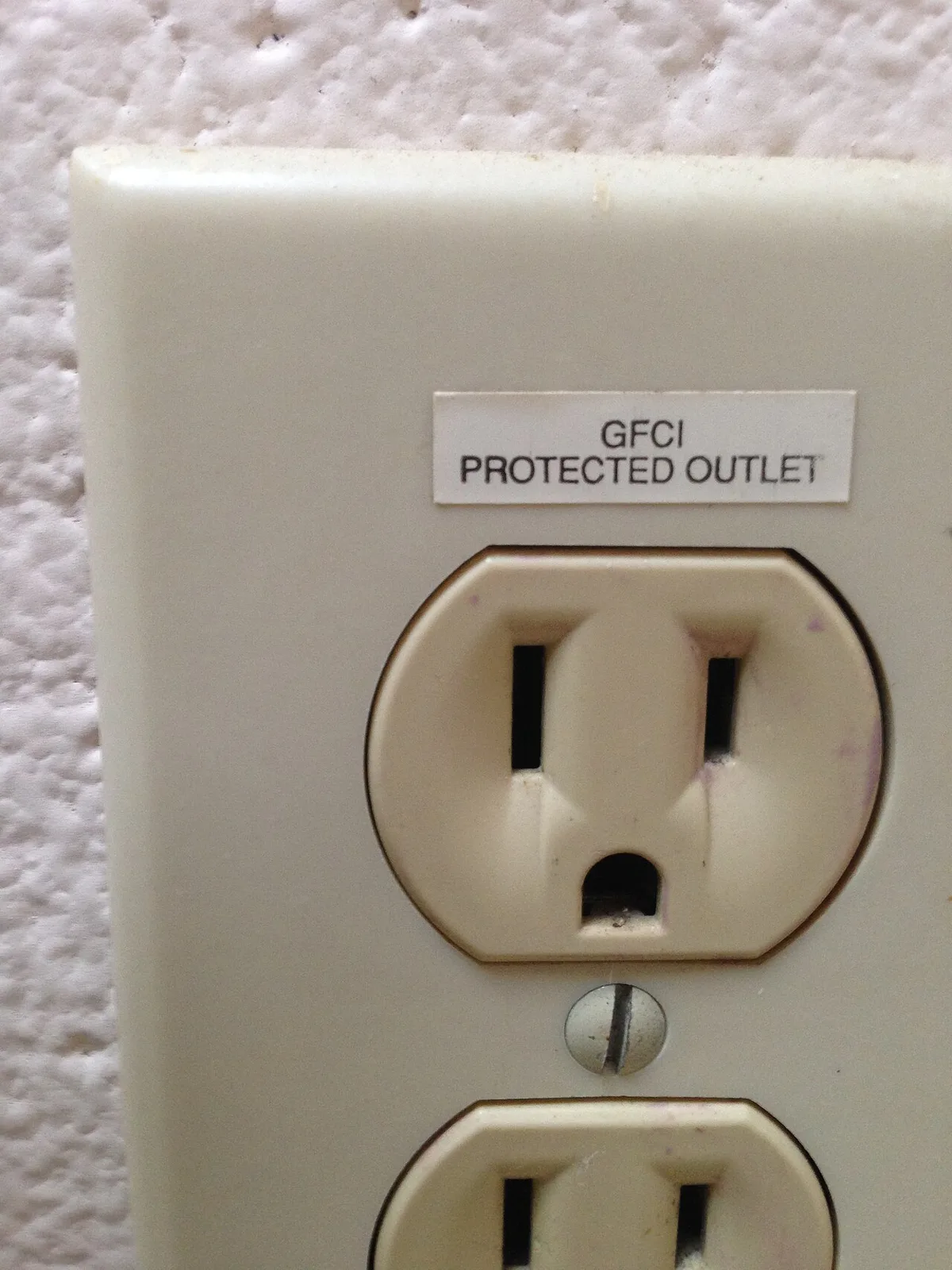
Image source: Wikimedia Commons / dankeck
Each of these steps isolates one possible cause. By the end, you should know whether the pump needs a replacement switch, a good cleaning, or a full swap-out.
When to Call a Pro, Replace the Pump, or Try a Quick Fix
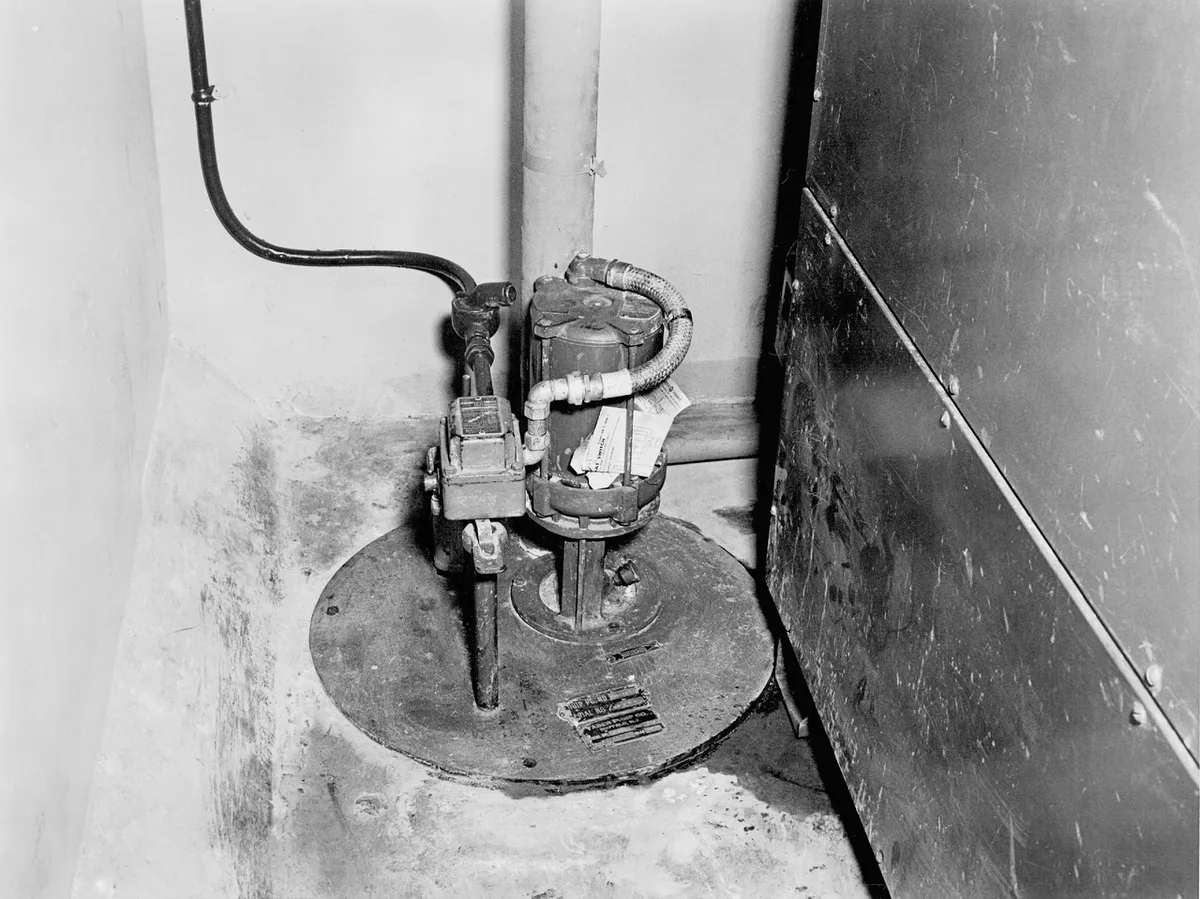
Image source: Wikimedia Commons / United States Department of Energy
Not every failure ends with a do-it-yourself repair. Your decision depends on the pump's age, the fault type, and your comfort level with electrical work.
| Situation | Recommended Action | Reason |
|---|---|---|
| Tripped GFCI or breaker | Reset and test | Cheapest and safest first step |
| Stuck float or minor debris | Clean and reassemble | Usually a five-minute fix |
| Waterlogged or cracked float | Replace switch assembly | Low-cost part, easy to install |
| Seized impeller or worn motor | Replace the pump | Motors that bind rarely last long after repair |
| Electrical short or burned wiring | Call an electrician | Risk of shock or fire |
| Frequent cycling or overheating | Replace pump | Internal damage likely already present |
As of 2026, most homeowners replace their sump pump every five to seven years, especially submersible models exposed to constant moisture. A new pump typically costs $150 to $400, including installation. If your existing unit is older than eight years, replacement often makes more sense than paying for multiple part swaps.
However, if the pump is under warranty, contact the manufacturer first to confirm coverage before hiring a pro or buying parts.
Frequently Asked Questions
Why would a sump pump have power but still not turn on
A pump with power but no movement usually points to a failed float switch, a seized motor, or a broken internal start capacitor. Try lifting the float manually. If nothing happens, the motor or switch needs professional testing.
Can I use an extension cord for my sump pump temporarily
It is not recommended. Extension cords create voltage drop and are prone to water damage. If you must use one, choose a grounded cord rated for continuous duty and keep it elevated and protected.
How often should I test my backup sump pump
Test it monthly during heavy rain seasons and at least once every quarter. Pour a bucket of water into the pit to trigger the float and confirm the backup activates.
What causes a check valve to fail in a sump pump system
Debris buildup, freezing, or years of repeated use can make the valve stick open or closed. A stuck-open valve lets water backflow into the pit, causing the pump to run nonstop.