
Knowing what are common sump pump problems helps you stop basement flooding before it causes expensive damage. Most failures stem from simple mechanical issues like stuck switches or clogged discharge lines rather than total motor burnout.
Manufacturer specifications indicate most residential pumps last seven to ten years with proper maintenance. The International Residential Code requires specific installation standards that directly affect long-term reliability. Let’s walk through how to identify your specific issue quickly.
Diagnose Your Sump Pump by Symptom: A Quick Decision Guide
The fastest way to identify sump pump problems is matching observable behavior to specific failure points. If the pump hums but doesn't move water, the impeller is likely clogged or the capacitor has failed. When the unit runs continuously without lowering water levels, check for a stuck float switch or lost prime.
A completely silent pump during high water usually indicates electrical failure or a disconnected power source. Short cycling often points to a faulty check valve allowing backflow into the pit. Use this symptom-based approach to narrow down the exact problem before attempting repairs.
| Symptom | Likely Cause | First Check |
|---|---|---|
| Humming, no flow | Clogged impeller | Intake screen |
| Runs nonstop | Stuck float switch | Switch movement |
| Silent in water | Power loss | GFCI outlet |
| Rapid on/off | Bad check valve | Valve function |
| Loud vibration | Debris in pit | Basin floor |
Step-by-Step Troubleshooting for the Most Common Failures
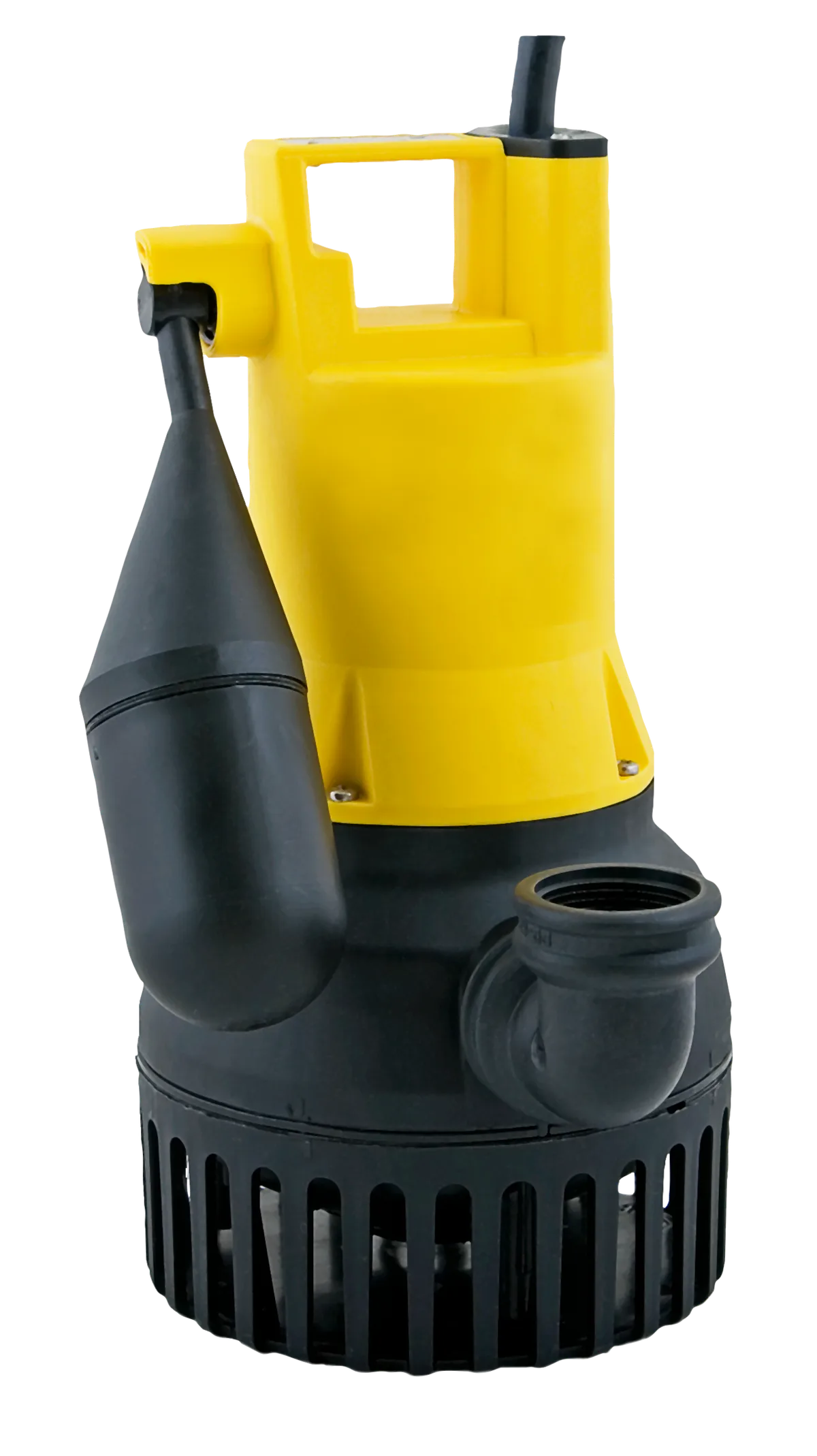
Image source: Wikimedia Commons / PumpExpert (CC BY-SA)
Start every troubleshooting session by unplugging the pump to prevent electrical shock. This safety step mirrors how we approach appliance diagnostic codes safely before inspection. Always verify power at the GFCI outlet first since tripped breakers cause many false failure diagnoses.
Float Switch Issues
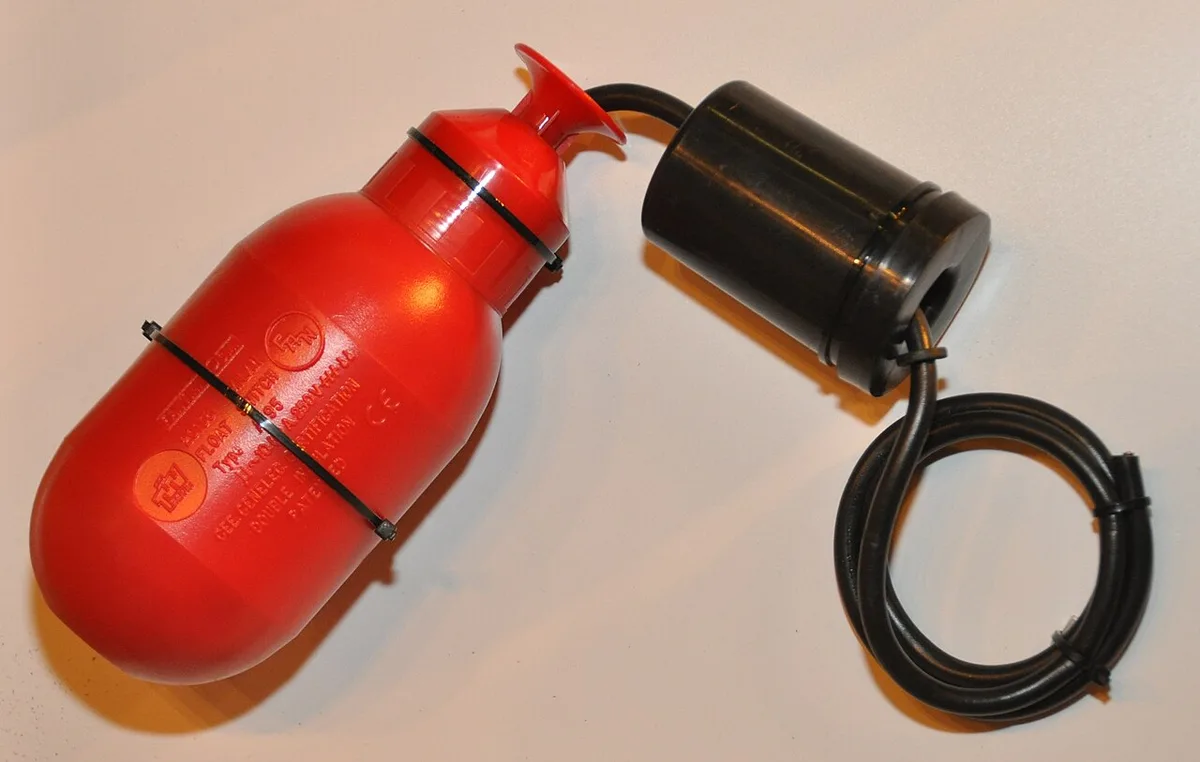
Image source: Wikimedia Commons / S.J. de Waard (CC BY)
Float switches fail when debris prevents free vertical movement along the rod. Manually lift the float to confirm smooth travel without binding or resistance. Clean any sediment buildup that restricts activation range inside the sump pit.
Tethered floats require proper cord length adjustment to activate at correct water heights. If the switch feels gritty or sticks intermittently, replacement is usually more reliable than cleaning. Electronic sensors offer better longevity in debris-heavy environments.
Discharge Line and Check Valve Problems
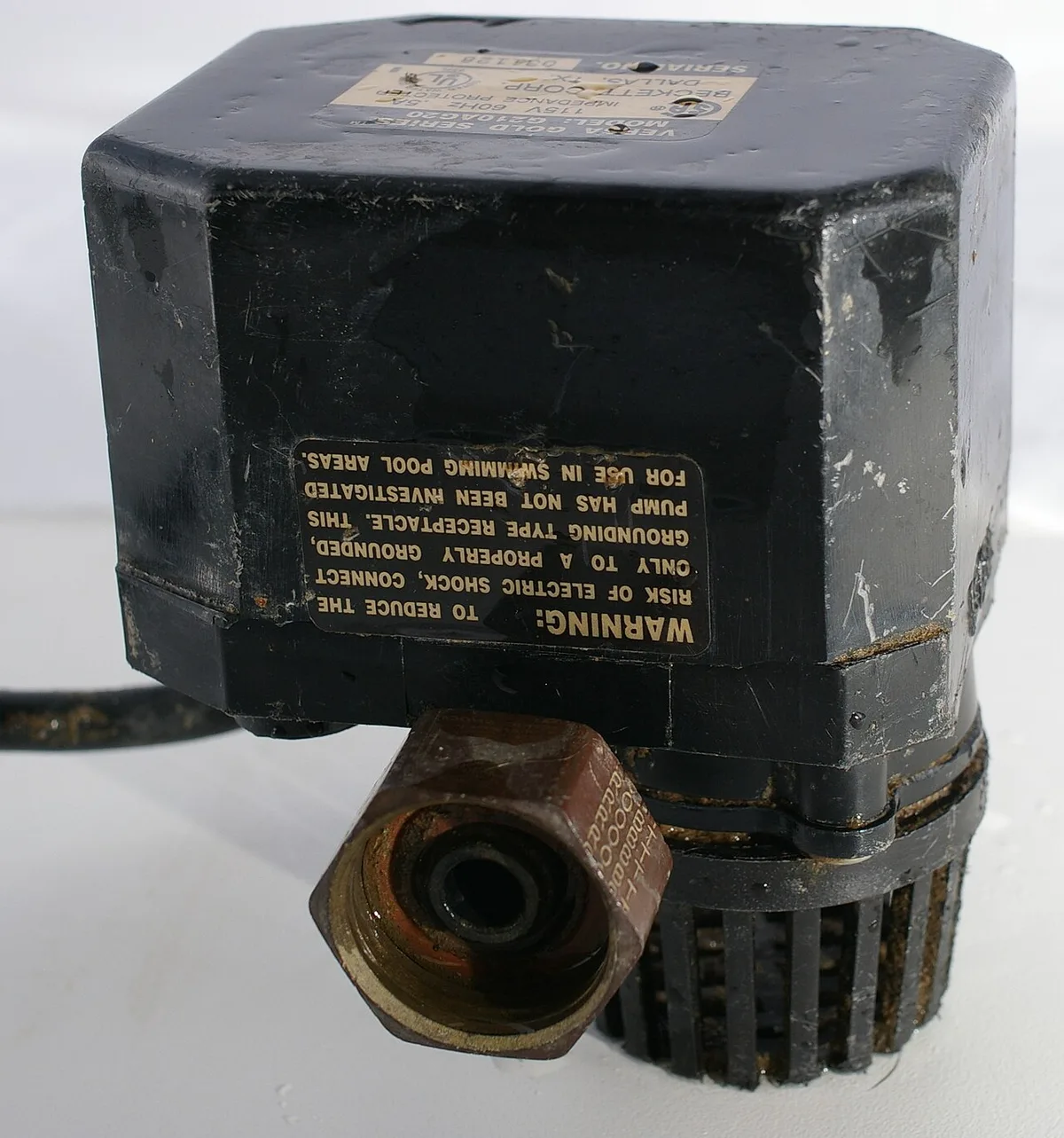
Image source: Wikimedia Commons / Hustvedt (CC BY-SA)
Frozen discharge pipes are the leading winter failure in cold climates. Verify exterior line insulation and heat tape functionality before temperatures drop below freezing. Interior sections can also ice up if routed through unconditioned crawl spaces.
Check valves prevent pumped water from flowing back into the basin after each cycle. A failing valve causes rapid cycling that burns out motors prematurely. Listen for loud thumping sounds indicating water hammer from valve failure.
Motor and Electrical Diagnostics
Capacitor failure prevents motors from starting even when power reaches the unit. Thermal overload protectors trip when pumps overheat from extended dry running. Allow thirty minutes cooling time before resetting internal thermal switches.
Corroded wiring connections cause intermittent operation that mimics switch problems. Inspect all wire nuts and terminal blocks for moisture damage or oxidation. Proper waterproof connectors rated for wet locations prevent recurring electrical faults.
When to Repair vs. Replace: Cost and Lifespan Reality Check
Repair makes sense only when the pump is under five years old and parts cost less than half of replacement. Replacing a float switch or cleaning an impeller typically runs under fifty dollars in labor. Capacitor replacements fall in the mid-range repair category but extend life significantly.
Complete replacement becomes necessary once motors show signs of winding failure or seal leakage. Oil sheens on water surface indicate compromised mechanical seals in submersible units. Aggregate reviews report cast iron models outlasting thermoplastic versions by three to five years in heavy-use applications.
Budget four hundred to six hundred dollars for professional installation of a standard half-horsepower unit as of 2026. DIY replacement saves labor costs but requires proper electrical knowledge and code compliance. Consider upgrading to battery backup systems during replacement to prevent future flood damage during outages.
This decision framework applies broadly across home systems, much like evaluating whether to fix a dryer not spinning versus buying new. Factor in frequency of past repairs when calculating true cost of ownership. Chronic issues signal systemic problems beyond individual component failures.
Common Sump Pump Problems FAQ
Why does my sump pump keep running?
Continuous running usually means the float switch is stuck in the activated position. Debris accumulation or mineral deposits prevent the switch from dropping when water recedes. Manually test switch movement and clean the pit thoroughly.
Persistent running after cleaning indicates switch mechanism failure requiring replacement.
How often should I test my sump pump?
Test your system quarterly by pouring water into the pit until activation occurs. Annual testing should include full cycle observation and backup battery load testing. Monthly visual inspections catch debris buildup before it causes operational failures.
Regular testing identifies problems during dry periods when repairs are easier.
Can a sump pump overheat?
Yes, pumps overheat when running dry or against blocked discharge lines. Thermal overload protection shuts motors down automatically to prevent permanent damage. Never bypass thermal protectors as this creates fire hazards.
Allow adequate cooling time between test cycles during troubleshooting sessions.
What causes sump pump short cycling?
Short cycling happens when discharged water flows back into the pit through a failed check valve. The refilling water immediately reactivates the pump creating rapid on-off patterns. This stresses motors and dramatically reduces lifespan.
Replace check valves showing wear or leaking to restore normal operation cycles.