
Figuring out what causes a sump pump to run constantly starts with checking the water level in your pit. Most continuous runtime issues stem from a stuck float switch, a broken check valve, or an undersized unit. You need to identify if this is mechanical failure or just heavy groundwater flow.
Ignoring nonstop operation often leads to premature motor burnout and potential basement flooding.
Manufacturer specifications indicate most residential pumps should cycle for only 10 to 30 seconds at a time. Per International Residential Code standards, proper installation requires correct pit depth and discharge sizing to prevent short cycling. As of 2026, diagnosing these issues systematically saves you from unnecessary replacement costs.
Let us walk through the exact decision tree to pinpoint your specific problem.
Quick Diagnosis: Is Your Sump Pump Running Constantly or Just Often?
A sump pump running constantly means it operates without stopping for more than two minutes straight. Normal high water table conditions might cause frequent cycling but never true nonstop operation. Distinguishing between environmental saturation and mechanical failure prevents wasted money on new equipment.
This distinction drives every troubleshooting step that follows.
Normal High Water Table vs. Mechanical Failure
High groundwater creates frequent cycles with distinct off periods between runs. Mechanical failures produce truly continuous humming or rapid clicking sounds without pause. Check if the water level actually drops when the pump activates.
If water stays high despite pumping, you likely have a capacity or discharge issue rather than a switch problem.
The 30-Second Safety and Power Check
Always verify GFCI protection before touching any wet electrical components near the basin. Unplug the unit and manually lift the float switch to test movement freedom. Listen for grinding noises or debris blocking the impeller intake screen during this manual test.
This quick safety check eliminates simple obstructions before you proceed to complex diagnostics.
The Decision Tree: Troubleshooting Continuous Runtime by Symptom
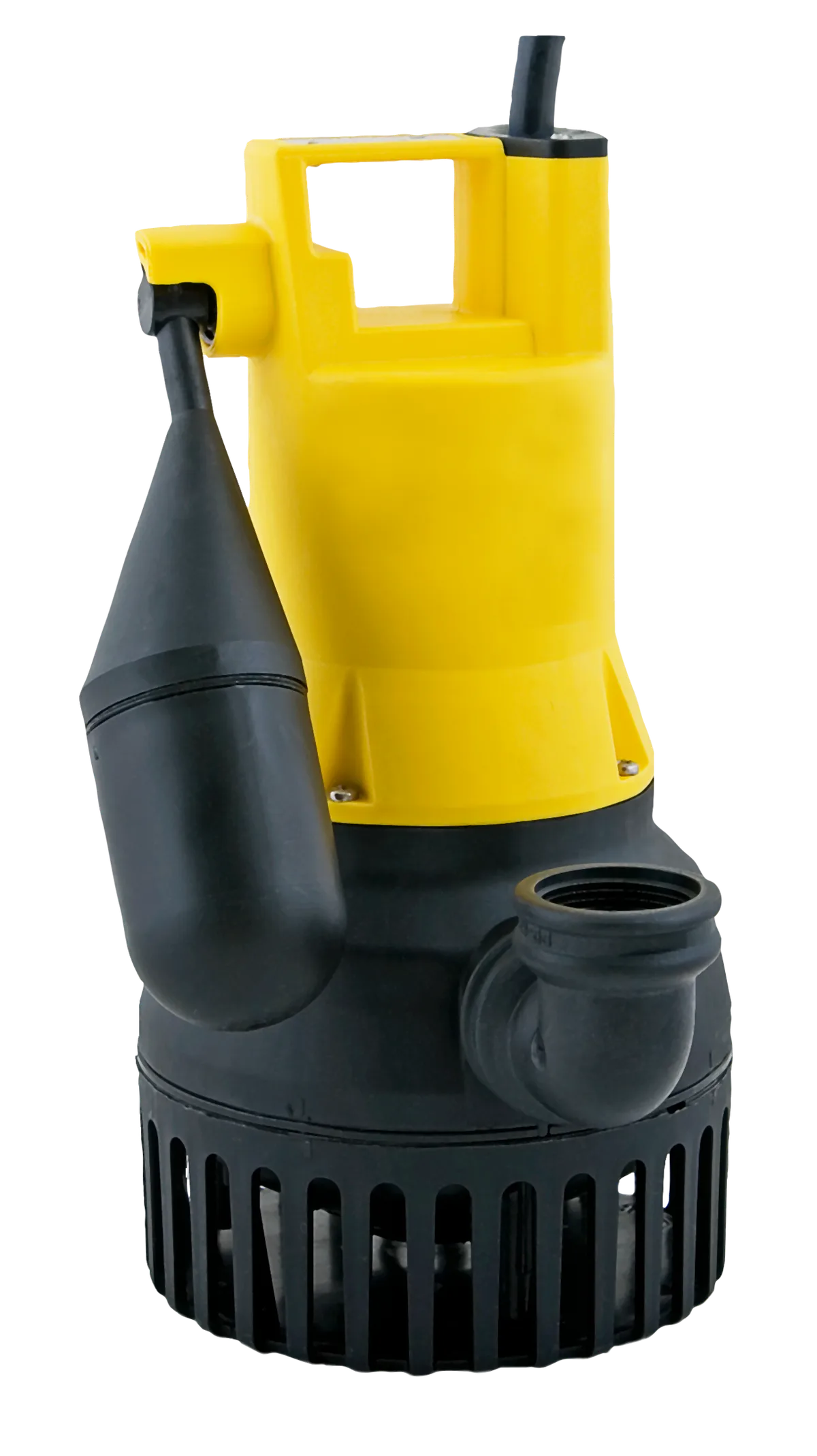
Image source: Wikimedia Commons / PumpExpert (CC BY-SA)
Symptom-based diagnosis isolates the root cause faster than random part replacement. Match your observed behavior to one of three specific branches below. Each path leads directly to the correct fix or professional escalation point.
This systematic approach mirrors how experienced technicians evaluate appliance fault codes efficiently.
Branch A: Water Level Is High and Pump Won’t Shut Off
High water with continuous running usually indicates insufficient discharge capacity or line blockage. Inspect the exterior discharge outlet for ice, dirt, or kinked tubing restrictions. Verify your pump horsepower matches the vertical lift height required by your home’s elevation.
An undersized unit simply cannot move water fast enough against hydrostatic pressure during heavy saturation events.
Branch B: Water Level Is Low but Pump Keeps Running
Low water with nonstop operation almost always points to a stuck or misadjusted float switch. Debris often jams tethered floats against the basin wall or discharge pipe. Electronic sensors can fail due to mineral buildup or corroded contacts over time.
Adjusting the tether length or cleaning the sensor typically resolves this specific mechanical fault immediately.
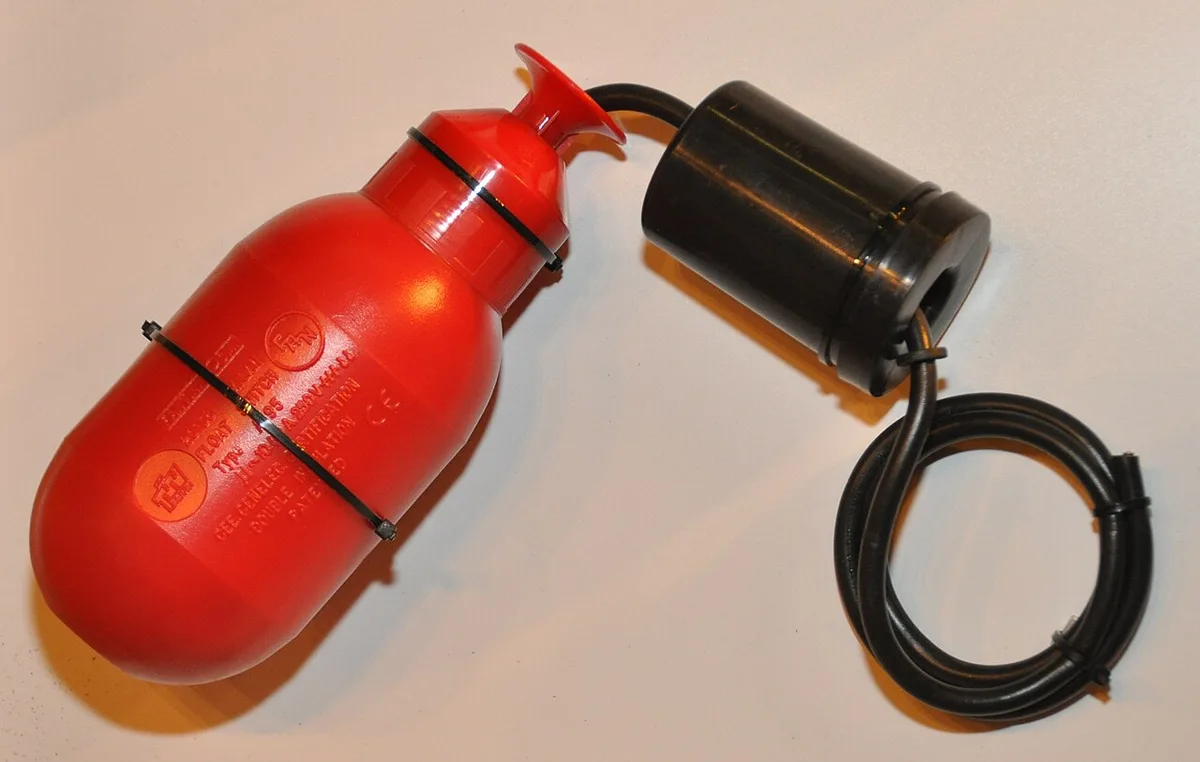
Image source: Wikimedia Commons / S.J. de Waard (CC BY)
Branch C: Pump Cycles On and Off Every Few Seconds
Rapid short cycling signals a failed check valve allowing water to backflow into the pit. The pump empties the basin then immediately refills as discharged water returns. Replacing this inexpensive valve restores normal cycle timing and protects the motor from overheating.
This repair is straightforward and prevents costly burnout damage similar to resolving common dryer error codes early.
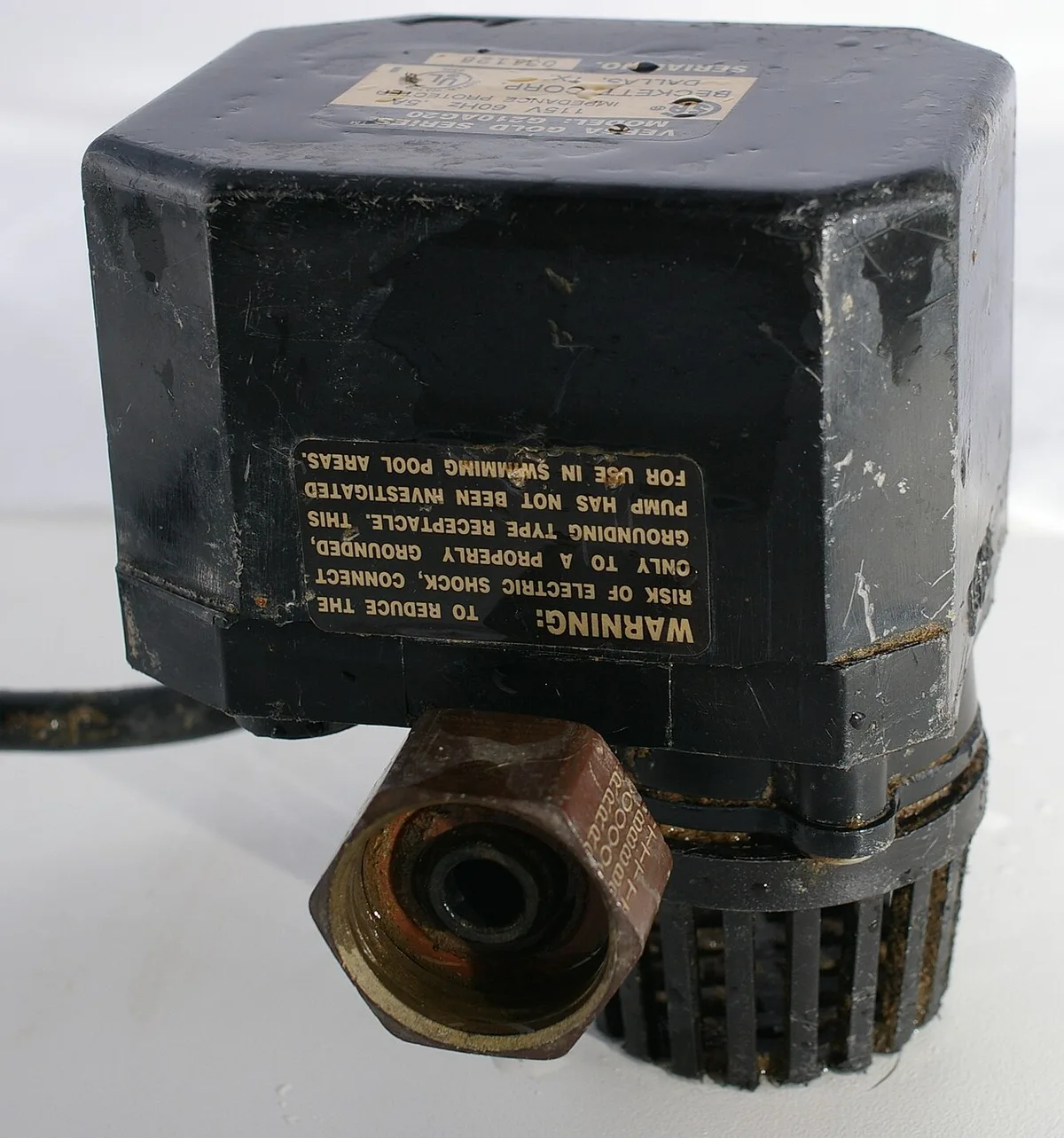
Image source: Wikimedia Commons / Hustvedt (CC BY-SA)
When to Repair, Replace, or Call a Professional
Deciding between repair and replacement depends on the unit’s age and failure type. Simple fixes like switch adjustments or valve replacements cost under fifty dollars in parts. Complete motor failures or chronic undersizing issues justify full system upgrades instead.
Understanding these thresholds helps you avoid throwing good money at dying equipment.
Cost-Benefit Breakdown: Fix vs. New Unit
| Issue Type | Typical Repair Cost | Replacement Indicator |
|---|---|---|
| Stuck Float Switch | $0 to $25 | Rarely needs full replacement |
| Failed Check Valve | $30 to $60 | Only if pipe threading stripped |
| Burnt Capacitor | $40 to $80 | Motor hums but won't start |
| Motor Failure | $200+ | Always replace entire unit |
Critical Red Flags That Require Immediate Expert Help
Electrical burning smells or visible sparking demand immediate power disconnection and professional service. Persistent flooding despite functional equipment suggests deeper foundation drainage problems beyond the pump itself. Incorrect discharge routing violating local codes creates liability risks during property transactions.
These scenarios require licensed professionals familiar with diagnostic testing protocols and municipal regulations.
Frequently Asked Questions About Constant Sump Pump Operation
Can a sump pump run too long without burning out?
Most residential pumps have thermal overload protection that shuts them down after extended runtime. However, relying on this safety feature repeatedly degrades motor windings over time. Continuous operation beyond two minutes indicates an underlying problem needing correction.
Addressing the root cause preserves equipment lifespan and maintains warranty coverage.
Why does my sump pump run every five minutes?
Frequent five-minute cycles typically mean your check valve has failed internally. Water flows back into the pit after each cycle, triggering immediate restart. This rapid cycling generates excessive heat and wear on internal components.
Replacing the valve restores proper intervals and reduces annual energy consumption significantly.
Is it normal for a sump pump to run all day during rain?
Heavy rainfall may cause extended operation but should still include brief rest periods between cycles. True nonstop running for hours suggests either extreme saturation or mechanical failure. Monitor the water level to confirm the pump is actually moving water effectively.
If levels remain static, investigate discharge line blockages or capacity limitations immediately.
How do I know if my float switch is bad?
A faulty float switch often shows physical binding, corrosion, or inconsistent activation points. Manually lifting the float should trigger immediate pump response without hesitation. Intermittent operation or failure to activate at proper water levels confirms switch failure.
Cleaning or replacing this component is usually the first step in resolving persistent operational issues.
Should I unplug my sump pump if it won't stop running?
Unplugging provides temporary relief but leaves your basement vulnerable to sudden flooding. Use this only as a diagnostic step while actively troubleshooting the underlying cause. Install a backup battery system or secondary pump before leaving the primary unit disconnected.
Permanent solutions address the mechanical fault rather than masking symptoms through power removal.