
Most homeowners asking how long does a sump pump last need more than a generic average. The actual lifespan depends heavily on your specific unit type, cycle frequency, and maintenance habits.
Manufacturer specifications indicate submersible models typically survive seven to ten years before critical failure. Pedestal units often run fifteen years or longer since the motor stays dry above the pit. Understanding these baseline expectations helps you plan replacement before disaster strikes.
how long does a sump pump last
A standard submersible sump pump lasts seven to ten years. Pedestal pumps frequently operate for fifteen to twenty-five years. Actual lifespan depends on cycle frequency and maintenance quality.
Switch components usually fail before the motor burns out. Regular testing extends service life significantly beyond minimum estimates.
The Real Lifespan: Why 7–10 Years Is Just a Starting Point
That industry average assumes moderate use in an average climate. Your actual timeline shifts dramatically based on three core variables. Heavy rain regions with high water tables demand constant cycling that wears components faster.
A pump running daily might only survive five years despite premium construction.
Submersible pumps face harsher conditions than pedestal models. The sealed motor operates underwater where corrosion attacks housings and seals. Thermoplastic units degrade faster than cast iron equivalents in our research.
Cast iron dissipates heat better but eventually rusts through after a decade.
Pedestal pumps keep motors completely dry above the basin. This simple design advantage explains their extended service life. The tradeoff is louder operation and lower flow capacity.
You gain longevity but sacrifice performance during heavy inflow events.
| Pump Type | Expected Lifespan | Primary Failure Point | Best For |
|---|---|---|---|
| Submersible | 7 to 10 years | Seal corrosion, switch | Finished basements |
| Pedestal | 15 to 25 years | Motor bearings, switch | Crawl spaces, low inflow |
| Battery Backup | 3 to 5 years | Battery degradation | Emergency redundancy |
Installation quality matters as much as hardware specs. An undersized pump short cycles constantly trying to keep up with inflow. This rapid on-off pattern destroys switches within months instead of years.
Proper pit sizing prevents premature burnout by allowing adequate cooldown between cycles.
Electrical supply stability also affects longevity. Voltage fluctuations from shared circuits stress motor windings over time. Dedicated GFCI protection per NEC Article 210.8 prevents shock hazards and electrical damage.
Clean power delivery adds measurable years to any pump system.
What Actually Kills Sump Pumps (It’s Usually Not the Motor)
Float switch failure causes more replacements than motor burnout. Mechanical tethered floats get stuck on debris or pit walls. Vertical rod switches corrode at pivot points after thousands of cycles.
Electronic sensors mineralize in hard water areas without regular cleaning.
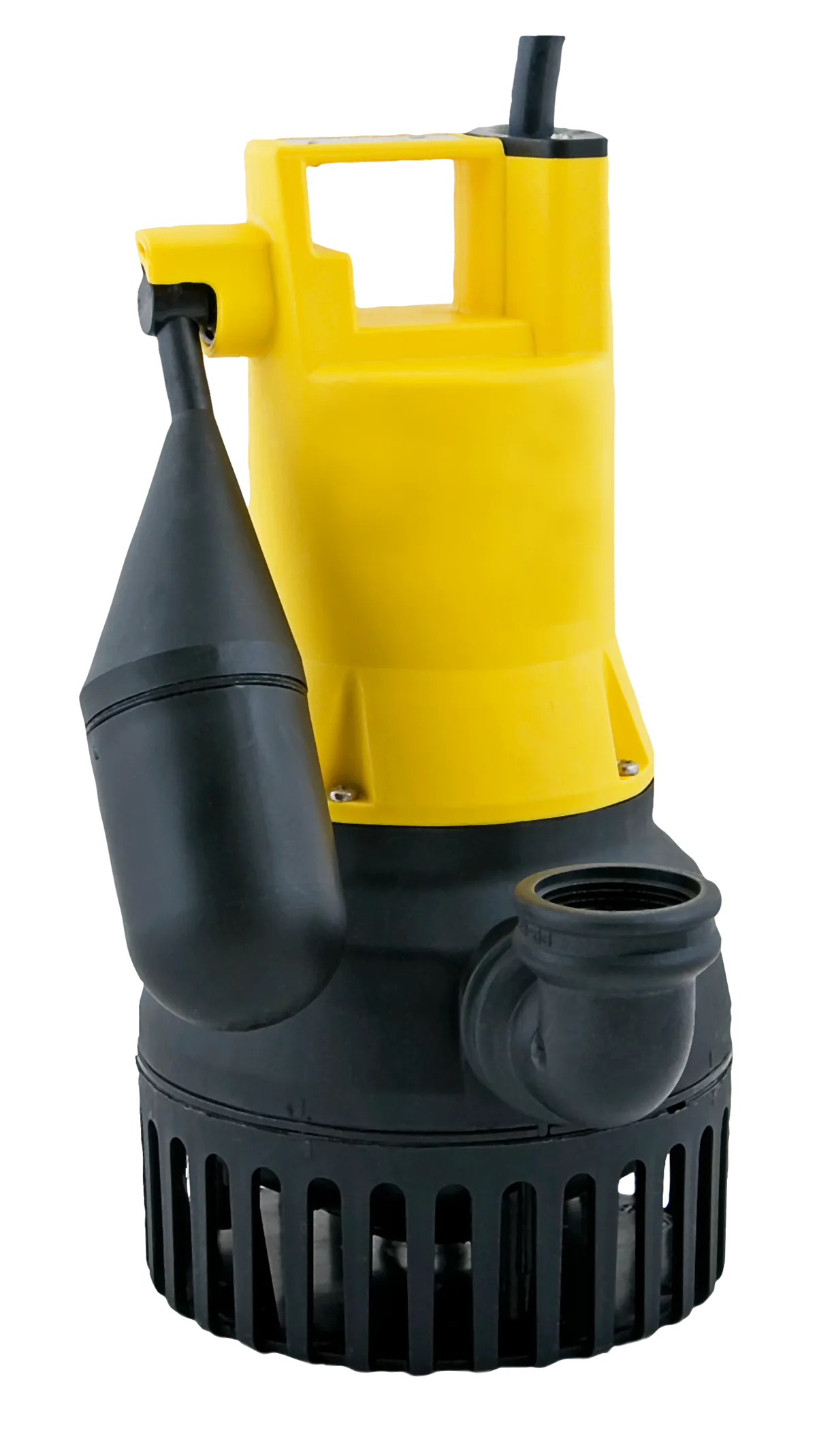
Image source: Wikimedia Commons / PumpExpert (CC BY-SA)
Debris accumulation silently destroys impellers and seals. Sand, gravel, and silt enter the pit through drain tile systems. These abrasives grind down plastic impellers within seasons.
Cast iron impellers resist wear but still clog when sediment builds up. Annual pit cleaning prevents this preventable failure mode.
Check valve problems create invisible stress on the entire system. A failed valve lets discharged water flow back into the pit. The pump restarts immediately to move the same water again.
This hidden short cycling burns out motors and switches prematurely. Listen for rapid restart sounds after each shutoff to diagnose backflow issues.
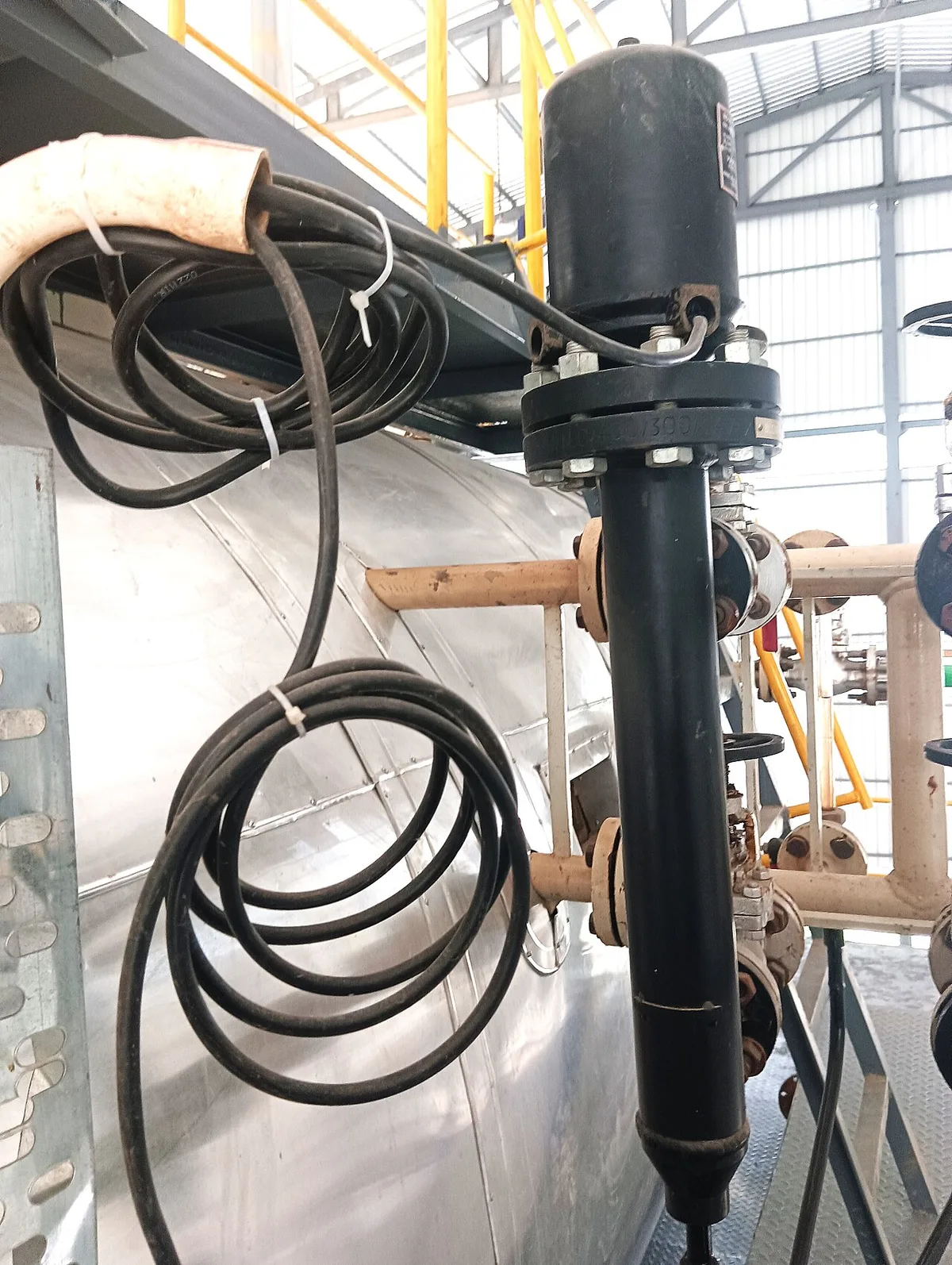
Image source: Wikimedia Commons / Palagiri
Frozen discharge lines cause catastrophic winter failures. Water trapped in horizontal pipe sections expands and cracks fittings. The resulting backup floods basements while the pump runs dry.
Dry running overheats motors lacking thermal overload protection. Proper pipe slope and insulation prevent this seasonal killer.
Electrical connection corrosion happens gradually inside damp pits. Moisture wicks along cord jackets into terminal connections. Resistance builds until the motor receives insufficient voltage.
Thermal stress from undervoltage operation weakens winding insulation. Inspecting connections during annual maintenance catches this silent degradation early.
Maintenance Checklist to Safely Extend Pump Life
Monthly functional tests verify the system actually works. Pour five gallons of water into the pit to trigger the float. Watch for smooth activation and complete drainage within seconds.
Note any unusual noises, vibrations, or delayed shutoffs. Documenting performance trends reveals problems before total failure occurs.
Annual deep cleaning removes accumulated sediment and debris. Unplug the pump and remove it from the basin first. Scoop out all sand, gravel, and organic matter from the pit bottom.
Flush the check valve and discharge line with clean water. Reinstall the pump and test operation before restoring power.
Switch mechanism inspection prevents surprise failures during storms. Manually lift the float to confirm free movement throughout its range. Clean electronic sensor probes with vinegar solution to dissolve mineral deposits.
Replace mechanical switches showing corrosion or stiffness. Proactive switch replacement costs far less than emergency flood cleanup.
Discharge line winterization protects against freeze damage. Verify proper downward slope away from the foundation wall. Insulate exposed outdoor pipe sections before first frost arrives.
Install a weep hole just above the check valve if missing. This small opening prevents water trapping in horizontal runs.
Professional inspection every three years catches hidden issues. Licensed plumbers can measure actual flow rate against specifications. They test capacitor health and amp draw under load conditions.
Electrical diagnostics reveal winding weakness before catastrophic failure. Scheduled service visits cost a fraction of emergency calls.
Backup battery systems require separate maintenance protocols. Test battery voltage monthly using a multimeter or built-in indicator. Load test annually to verify runtime capacity meets manufacturer specs.
Replace batteries every three to five years regardless of apparent condition. Neglected backups fail exactly when primary power goes out.
Sump Pump Lifespan FAQs
Should I replace my sump pump before it fails?
Proactive replacement at year ten prevents basement flooding emergencies. Waiting for failure risks water damage costing thousands in repairs. Schedule replacement during dry weather when contractors have availability.
Budget models installed preemptively cost less than emergency weekend calls. Peace of mind outweighs squeezing extra months from aging equipment.
How do I know if my sump pump is dying?
Frequent cycling, unusual grinding noises, or incomplete drainage signal trouble. Visible rust on housing or cord jacket indicates internal corrosion. Tripped breakers suggest motor winding shorts drawing excessive current.
Slow shutoff after water recedes means switch mechanism wear. Address these warning signs immediately rather than hoping they resolve themselves.
Does a battery backup extend primary pump lifespan?
Battery backups protect against power outages, not mechanical wear. They reduce primary pump runtime only during grid failures. Normal cycle frequency determines base unit longevity regardless of backup presence.
Maintain both systems independently according to their specific schedules. Redundancy provides safety without extending individual component service life.
Can hard water shorten sump pump lifespan?
Mineral deposits accelerate switch sensor failure and impeller binding. Calcium and magnesium buildup restricts moving parts over time. Electronic sensors lose sensitivity as scale accumulates on probes.
Monthly vinegar cleaning dissolves deposits before permanent damage occurs. Water softener installation upstream helps but requires separate maintenance considerations.