
The short answer to whether a sump pump can pump sand is usually no. Standard residential models are designed for clear water only and fail quickly with abrasives. Attempting this without proper equipment typically destroys mechanical seals and burns out motors within hours.
Manufacturer specifications indicate most standard pumps tolerate solids under 0.25 inches before risking damage. Per Hydraulic Institute standards, handling significant sediment requires specific vortex or semi-open impeller designs. Understanding these limits helps you decide if your current setup survives or needs replacement.
Can a Sump Pump Pump Sand
Standard sump pumps cannot safely pump sand without severe internal damage. Only specialized effluent or slurry pumps handle abrasive solids effectively. These units feature open impellers and hardened seals for sediment.
Using a regular pump for sandy water voids warranties and causes failure. Always verify solids handling capacity before attempting removal.
Diagnosing Your Situation: When Standard Pumps Fail vs. When They Survive
A standard sump pump survives sandy conditions only if sediment concentration remains negligible and particles stay below 0.25 inches. If your pit contains visible sand accumulation or gritty water, a conventional closed-impeller model will likely seize or overheat rapidly. The distinction lies in particle size and volume rather than just the presence of dirt.
Assessing Sand Concentration and Particle Size
You must determine if you are dealing with fine silt or coarse sand. Fine silt often passes through standard intakes without immediate catastrophic failure, though it accelerates wear over time. Coarse sand acts like grinding paste against carbon ceramic seals and plastic components.
Our research shows that even small amounts of coarse aggregate cause irreversible scoring in standard units.
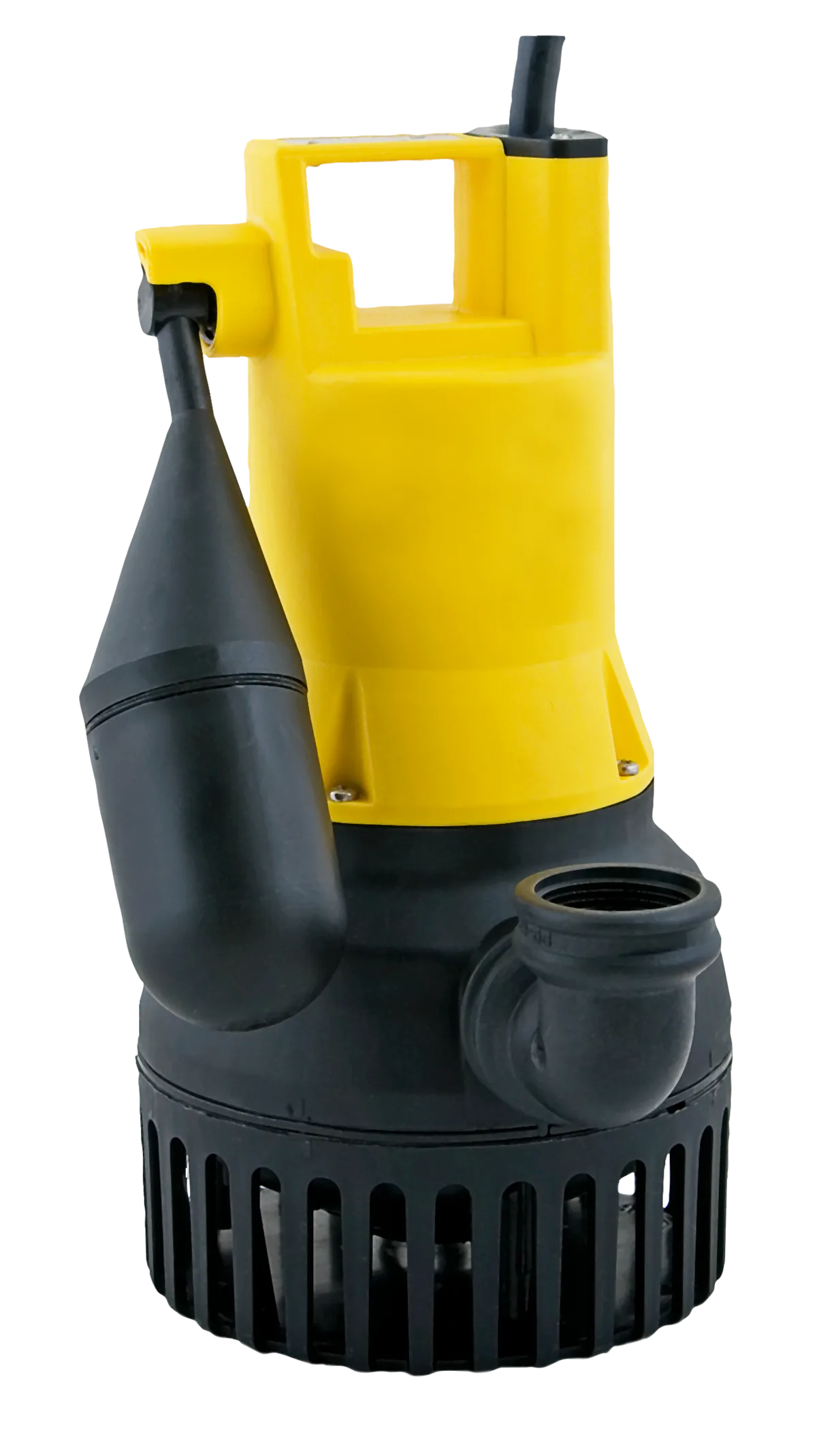
Image source: Wikimedia Commons / PumpExpert (CC BY-SA)
Matching Impeller Type to Sediment Load
Closed impellers create high pressure but clog instantly with solids. Vortex or recessed impellers allow debris to pass without direct contact, making them essential for sandy environments. Semi-open designs offer a middle ground for moderate sediment loads.
Checking your existing unit’s impeller type is the fastest way to predict survival odds.
Critical Warning Signs of Abrasive Damage
Listen for unusual grinding noises or reduced flow rates during operation. These symptoms indicate active seal degradation or impeller wear from abrasion. Thermal overload tripping frequently also suggests the motor is straining against friction.
Ignoring these signs leads to total failure, so inspect the system immediately if performance drops. For broader maintenance context, reviewing general appliance diagnostic codes helps identify similar mechanical stress patterns across home systems.
Choosing the Right Equipment for Sandy Water Conditions
Effluent pumps or dedicated slurry models are required when sand is present in significant quantities. Standard sump pumps lack the necessary clearance and material hardness to withstand abrasive wear. Selecting the correct category prevents costly replacements and ensures reliable dewatering during critical events.
This choice depends entirely on the severity of your sediment problem.
Effluent and Vortex Pumps vs. Standard Sump Models
| Feature | Standard Sump Pump | Effluent / Slurry Pump |
|---|---|---|
| Solids Handling | < 0.25 inches | 0.75 to 2.0 inches |
| Impeller Design | Closed / Shrouded | Vortex / Semi-Open |
| Seal Material | Carbon Ceramic | Silicon Carbide / Tungsten |
| Best Use Case | Clear Groundwater | Sandy / Silty Water |
| Lifespan in Sand | Hours to Days | Years |
This comparison highlights why swapping units is often cheaper than repeated repairs. Effluent pumps sacrifice some head pressure for durability, which is an acceptable trade-off for sandy pits. Verify the specific solids rating on any replacement unit before purchasing.
Essential Setup Adjustments to Prevent Clogging
Raising the pump intake several inches above the pit floor reduces sand ingestion significantly. Installing a pre-filter basin or settling trap captures heavy sediment before it reaches the impeller. Proper check valve selection also matters, as standard swing valves jam easily with grit.
These adjustments extend service life even when using appropriate equipment.
Maintenance Routines That Extend Pump Life in Abrasive Environments
Flush the pit and pump housing with clean water after every sandy event. Inspect seals and impellers quarterly for scoring or wear patterns. Replacing worn parts proactively costs far less than emergency motor replacement.
Consistent upkeep is non-negotiable when operating in abrasive conditions. Understanding mechanical troubleshooting basics applies here too, as early detection prevents cascading failures.
Frequently Asked Questions About Pumping Sand and Silt
Will sand ruin my sump pump permanently?
Yes, coarse sand typically destroys standard mechanical seals and scores impellers beyond repair. Fine silt causes gradual wear but may not cause immediate failure. Once abrasive damage occurs, the pump loses efficiency and overheats.
Replacement is usually more economical than rebuilding a damaged unit.
Can I use a grinder pump for sand?
Grinder pumps handle solids but are designed for organic waste, not abrasives. Sand dulls cutting blades rapidly and damages macerator mechanisms. Effluent or slurry pumps remain the better choice for mineral sediments.
Using a grinder for sand voids warranties and creates unnecessary maintenance headaches.
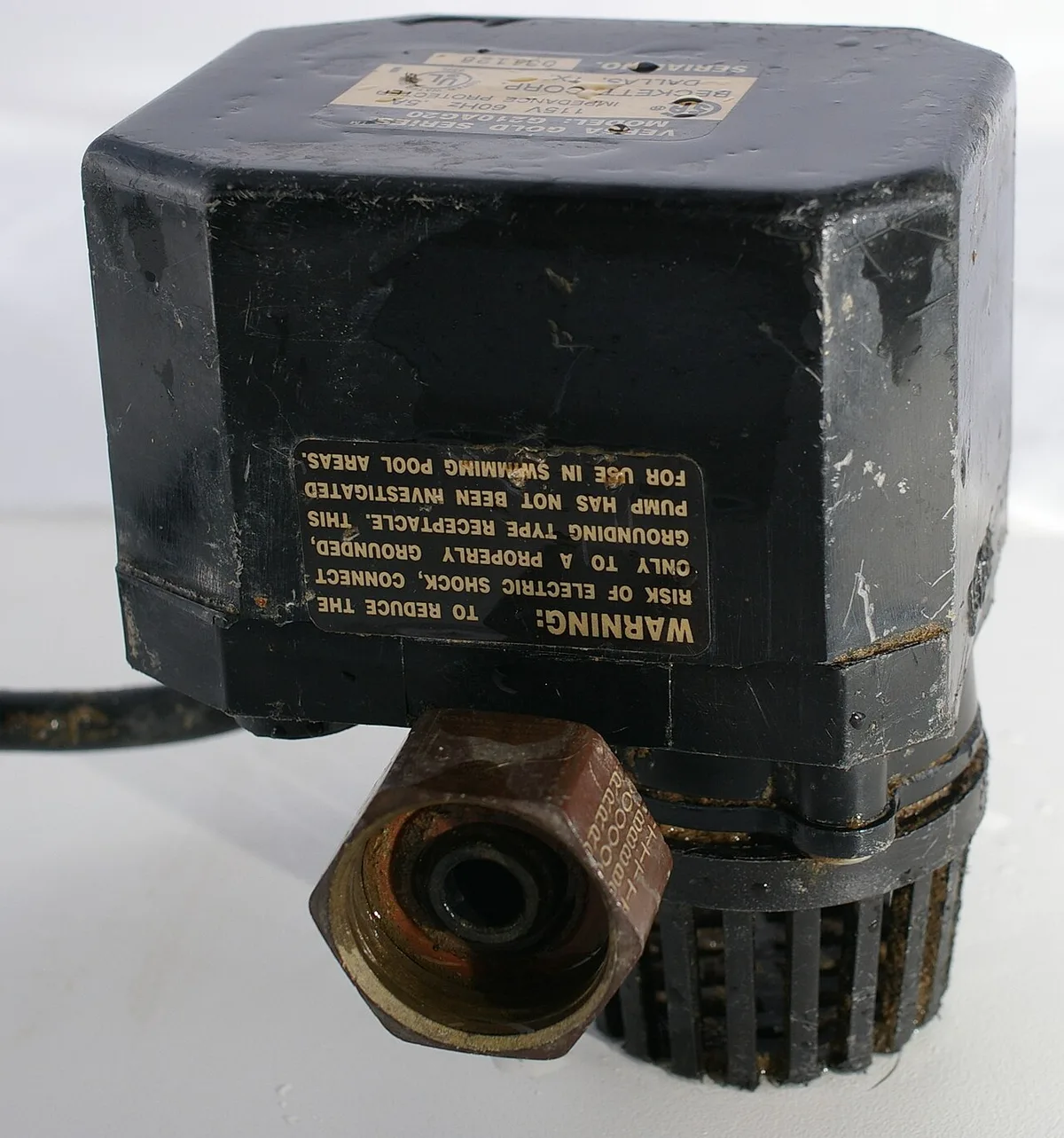
Image source: Wikimedia Commons / Hustvedt (CC BY-SA)
How do I remove sand from my sump pit?
Manually scoop accumulated sediment during dry periods to reduce pump load. Wet vacuums rated for wet/dry use work well for periodic cleanup. Never rely solely on the sump pump to self-clean heavy sand deposits.
Regular manual removal protects your equipment and maintains optimal flow capacity.
Is there a filter to stop sand entering the pump?
Mesh intake screens help but clog quickly in heavy sediment conditions. A separate sediment trap or gravel pack around the pit liner works better long-term. Filtration adds maintenance requirements but significantly extends pump lifespan.
Balance filtration density against flow restriction to avoid starving the pump.
What size solids should my pump handle for sandy water?
Aim for at least 0.75-inch solids handling capability for typical residential sand issues. Heavier construction runoff may require 2-inch clearance or larger. Check manufacturer curves for derated flow at higher viscosities.
Undersizing the solids rating guarantees premature failure regardless of pump quality.