
Yes, a sump pump can get air locked when trapped air blocks water flow through the discharge line. This usually happens after installation or power loss when the check valve fails to vent properly. The motor runs but moves zero water because compressed air prevents priming.
Most cases trace back to a missing weep hole rather than mechanical failure.
Manufacturer specifications from SSEMA members confirm that submersible pumps require a 1/8-inch vent hole drilled below the check valve to prevent this condition as of 2026. Without this relief point, trapped air creates enough backpressure to stall the impeller completely. You can diagnose and fix this issue safely by following a systematic workflow before replacing any parts.
Can a Sump Pump Get Air Locked
Yes, sump pumps get air locked when trapped air prevents water movement. The motor hums but no water exits the discharge pipe. A missing weep hole in the check valve causes most cases.
Drilling a small vent relieves pressure and restores flow immediately.
The 3-Step Diagnostic Workflow to Confirm an Air Lock
Air locks mimic motor failure, so accurate diagnosis saves money and time. Follow this conditional workflow to isolate the problem before buying replacement parts. Each step rules out a different variable systematically.
Step 1: Listen for Motor Response
Turn on the pump and listen carefully at the pit. A humming sound without water movement suggests an air lock or stuck impeller. Complete silence points to electrical failure or a tripped thermal overload.
If you hear normal running sounds but see no discharge, check the outlet for freezing or blockage first.
Step 2: Inspect Check Valve Orientation
Verify the check valve arrow points away from the pump toward the discharge line. An inverted valve traps air permanently and prevents self-priming. Per International Residential Code Section P3206, improper valve installation violates plumbing standards and voids equipment warranties.
Correct orientation allows gravity-assisted drainage that naturally vents trapped air during each cycle.
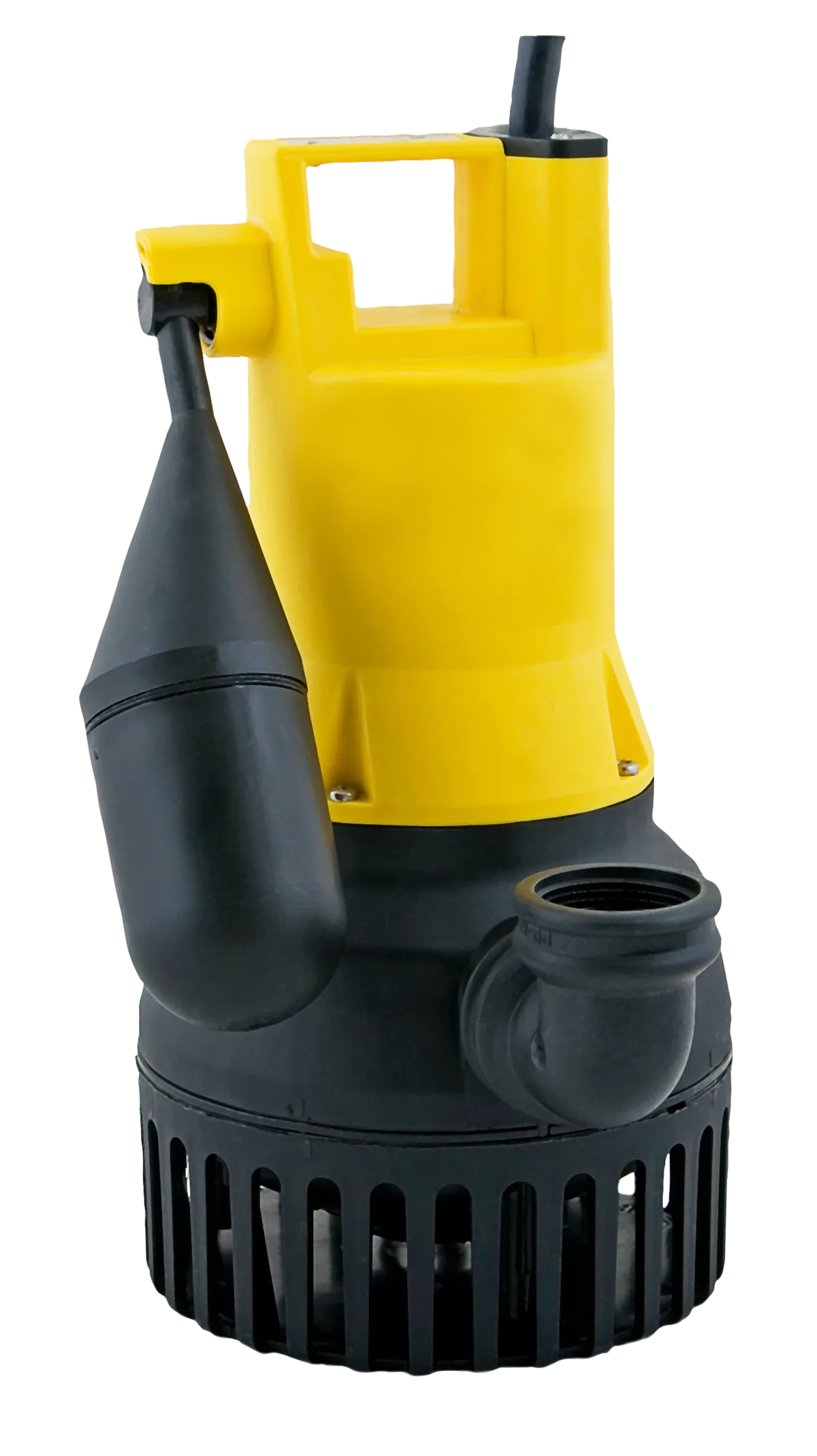
Image source: Wikimedia Commons / PumpExpert (CC BY-SA)
Step 3: Test for Weep Hole Presence
Shut off power and inspect the PVC pipe section between the pump and check valve. Look for a factory-drilled 1/8-inch hole angled downward at forty-five degrees. Its absence confirms air lock risk during every restart.
This diagnostic approach mirrors how professionals troubleshoot appliance error codes like those found when diagnosing dryer fault signals where specific symptoms map directly to root causes.
| Symptom | Likely Cause | Next Action |
|---|---|---|
| Humming, no water | Air lock or debris | Check weep hole |
| Silent, no response | Electrical failure | Test GFCI and capacitor |
| Runs dry continuously | Stuck float switch | Clean pit and test switch |
| Water flows then stops | Frozen discharge line | Thaw pipe and add insulation |
How to Fix an Air-Bound Sump Pump Safely
Fixing an air lock requires basic tools and strict safety protocols. Always disconnect power at the GFCI outlet before touching wet components. NEC Article 210.8 mandates ground-fault protection for all sump pump circuits to prevent electrocution.
Drill the Missing Weep Hole
Use a 1/8-inch drill bit to create a vent hole in the PVC pipe below the check valve. Angle the bit downward at forty-five degrees to direct spray into the pit. Position the hole between the pump discharge port and the valve body.
This placement allows trapped air to escape while preventing debris ingress during operation.
Bleed Existing Air from the Line
After drilling, reconnect power and let the pump cycle three times. Watch for steady water ejection at the discharge outlet. Initial cycles may sputter as residual air purges from high points in the piping.
Persistent sputtering beyond five cycles indicates additional blockages requiring professional inspection.
Verify Proper System Recovery
Confirm the pump shuts off automatically once the water level drops below the float switch trigger point. Short cycling after repair suggests the weep hole is too large or improperly placed. Oversized vents reduce pumping efficiency and increase runtime unnecessarily.
When addressing mechanical issues systematically, the same methodical verification applies whether you're clearing appliance flow errors or restoring basement drainage capacity.
Common Misdiagnoses and Sump Pump Air Lock FAQs
Misidentifying an air lock leads to wasted repairs and continued flood risk. Several conditions produce identical symptoms but require entirely different solutions. Understanding these distinctions prevents unnecessary part replacements and service calls.
Mistaking Cavitation for Air Lock
Cavitation produces a gravel-like rattling sound distinct from air lock humming. It occurs when inlet restrictions starve the impeller of water supply. Cleaning the intake screen or enlarging the pit resolves cavitation permanently.
Air locks happen downstream at the check valve while cavitation originates upstream at the suction side.
Confusing Thermal Overload with Mechanical Failure
Pumps with thermal protection shut down automatically when overheated from dry running. Waiting thirty minutes allows the internal breaker to reset before retesting. Immediate replacement without cooldown testing wastes money on functional motors.
This patience-first approach parallels troubleshooting strategies used when resolving dryer heating faults where thermal cutouts mimic component failure.
Frequently Asked Questions
How do I know if my sump pump is air locked?
Your pump is likely air locked if the motor hums audibly but no water discharges from the outlet pipe. Check for a missing weep hole below the check valve first. Verify proper valve orientation and ensure the discharge line isn't frozen or clogged before assuming mechanical failure.
Can I drill a weep hole myself safely?
Yes, drilling a 1/8-inch weep hole is safe when power is disconnected at the GFCI outlet. Use a standard drill bit angled downward at forty-five degrees into the PVC pipe below the check valve. Never drill above the valve or into metal fittings to avoid damaging critical sealing surfaces.
Why does my new sump pump keep getting air locked?
New installations frequently lack factory weep holes despite manufacturer recommendations. Installers sometimes omit this step assuming modern valves self-vent adequately. Request your plumber verify vent hole presence during final inspection.
Adding one yourself takes under five minutes and prevents recurring callbacks.
Will an air lock damage my sump pump motor?
Extended dry running from air locks generates heat that degrades motor windings over time. Most residential pumps have thermal overload protection that trips within ten to fifteen seconds. Repeated tripping shortens motor lifespan significantly even if immediate burnout doesn't occur.
Fix air locks promptly to preserve equipment longevity.
Does check valve type affect air lock frequency?
Spring-loaded check valves resist air locking better than swing-style valves in vertical installations. Horizontal runs work fine with either type when properly oriented. Silent check valves include built-in dampening that reduces chatter but still require external weep holes.
Match valve selection to your specific discharge configuration for optimal performance.