
Understanding what causes a sump pump check valve to fail helps you stop basement flooding before it starts. Most failures stem from worn internal seals, debris jams, or broken springs that prevent proper closure.
Manufacturer specifications indicate these valves typically last five to ten years under normal residential use. Identifying the specific failure mode ensures you apply the correct fix rather than guessing. Let’s match your symptoms to the root cause so you can restore reliable protection quickly.
What Causes a Sump Pump Check Valve to Fail
Sump pump check valve failure results from worn rubber seals, broken internal springs, or debris blocking the flapper. Mineral deposits can also fuse moving parts together over time. Incorrect installation orientation prevents gravity-assisted closure in swing models.
These mechanical issues allow discharged water to flow backward into the pit.
Quick Diagnosis: Match Your Symptom to the Failure Cause
Loud Banging or Thudding When Pump Stops
Water hammer occurs when a swing check valve slams shut against high-velocity backflow. This loud thud means the flapper is closing too fast or the valve is oversized for your pipe diameter. The shockwave travels through your discharge line and can crack PVC fittings over time.
If you hear this noise consistently, the valve gate is likely worn or missing its damping mechanism.
Water Draining Back Into the Pit After Cycling
Backflow happens when the internal seal no longer creates a watertight barrier against returning water. You will notice the water level rising immediately after the pump shuts off. This usually indicates a degraded rubber gasket or a flapper stuck open by sediment.
Gravity cannot overcome this obstruction, so water flows freely back down the pipe.
Pump Running Too Frequently or Continuously
Rapid cycling often traces back to a check valve leaking internally during the off cycle. The pump refills the pit with returned water and triggers the float switch again within seconds. This short-cycling burns out motors prematurely and wastes significant electricity.
If your appliance troubleshooting codes guide doesn’t cover sump systems, start here with the valve inspection.
Visible Leaks, Cracks, or Stuck Flapper
Physical damage like hairline cracks in PVC bodies develops from freeze cycles or overtightened union nuts. A stuck flapper may result from glue intrusion during installation or heavy mineral scale buildup. Inspect the valve body closely for wetness around seams or connections.
Any visible compromise requires immediate replacement since structural integrity is already lost.
Repair vs. Replace: A Practical Decision Guide
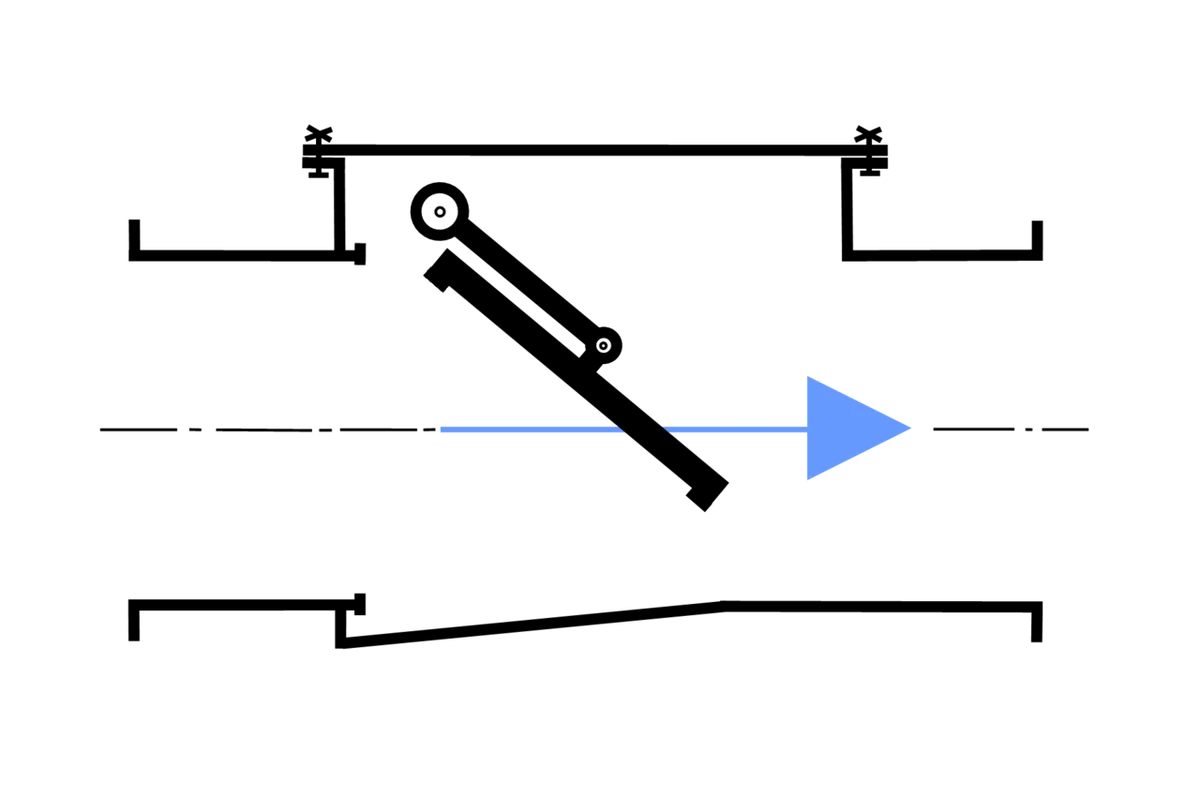
Image source: Wikimedia Commons / User:KaHe
When Cleaning or Reseating Fixes the Problem
Minor debris jams or light scale buildup can sometimes be resolved without full replacement. Remove the valve via the union fitting and inspect the seat area for obstructions. Soak metal components in vinegar to dissolve calcium deposits that hinder movement.
Reseating works only if the rubber seal remains pliable and uncracked after cleaning.
Signs You Need a Full Valve Replacement
Replace the entire unit if the spring feels weak, the rubber is brittle, or the body shows stress marks. Internal corrosion in metal valves or permanent deformation in plastic ones signals end-of-life wear. Attempting repairs on compromised structural components risks catastrophic failure during the next storm.
As of 2026, replacement valves cost between fifteen and sixty dollars depending on material and size.
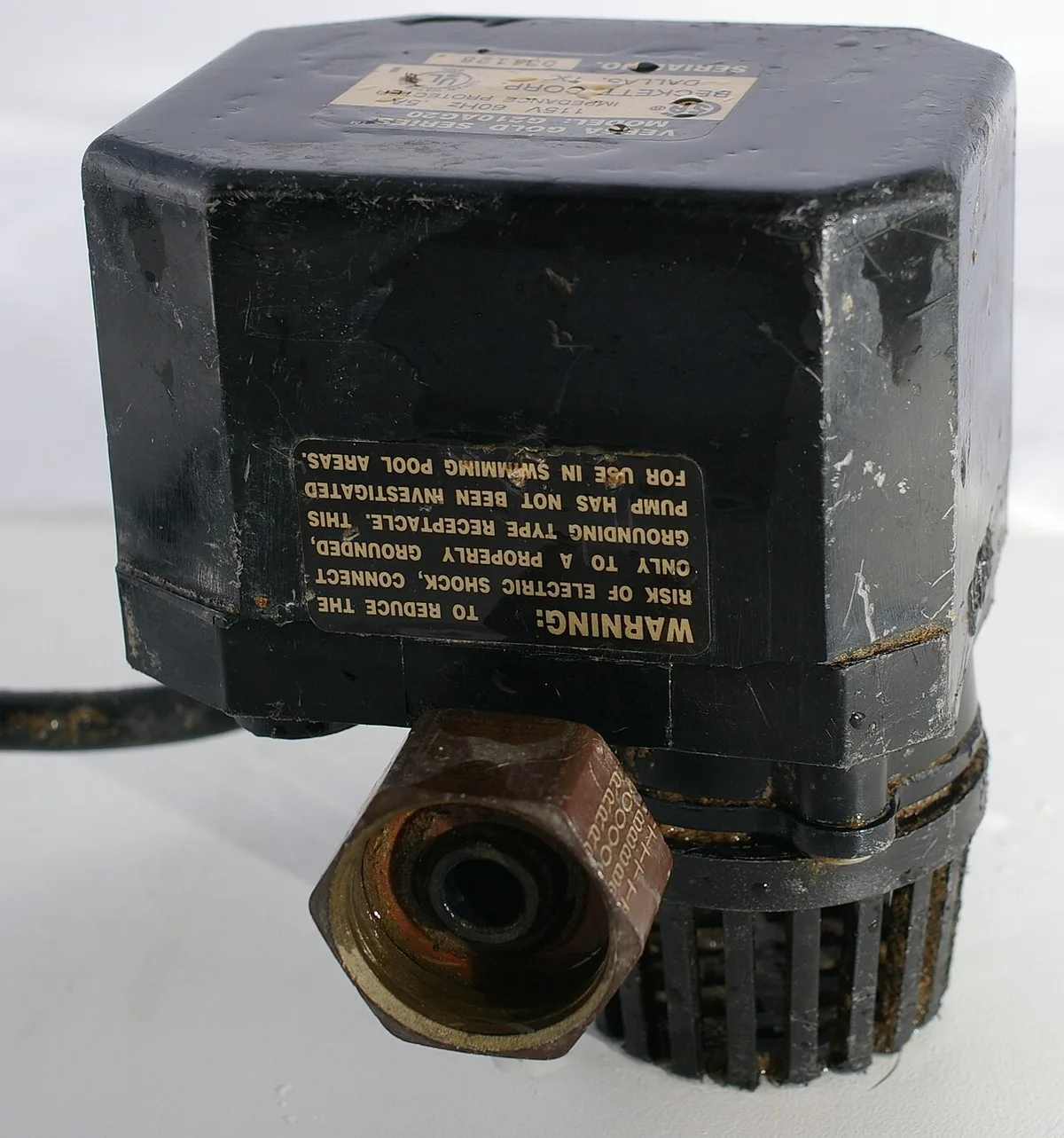
Image source: Wikimedia Commons / Hustvedt (CC BY-SA)
Choosing the Right Replacement Type for Your System
Spring-loaded silent check valves eliminate water hammer better than traditional swing models in vertical installations. Match the exact pipe diameter and connection type to avoid adapters that restrict flow. Metal valves handle higher head pressure but corrode faster in acidic groundwater conditions.
Consult manufacturer fault documentation for compatibility guidance specific to your existing pump setup.
| Valve Type | Best For | Noise Level | Lifespan |
|---|---|---|---|
| Swing Check | Horizontal lines, low budget | Loud | 5–7 years |
| Spring-Loaded | Vertical lifts, quiet operation | Silent | 7–10 years |
| Silent/Spring | High-cycle pits, noise-sensitive areas | Minimal | 8–12 years |
Avoiding Premature Failure During Installation and Maintenance
Correct Orientation and Solvent Welding Practices
Install the valve with the flow arrow pointing away from the pump toward the discharge exit. Never force slip-fit connections without proper primer and solvent cement application per ASTM D2466 standards. Excess glue inside the joint can seep onto the flapper seat and permanently bond it open.
Allow full cure time before testing to prevent joint separation under pressure.
Preventing Debris Buildup and Spring Fatigue
Flush the discharge line annually to remove silt and organic matter that accumulates near the valve seat. Hard water areas benefit from periodic descaling treatments to keep rubber seals flexible. Avoid dry-running the pump since overheating accelerates spring fatigue and warps plastic components.
Regular maintenance extends service life significantly compared to neglectful "install-and-forget" approaches.
Safety Precautions Before Servicing Your Discharge Line
Always disconnect power at the breaker panel before touching any sump system components. Wear eye protection when breaking glued joints since pressurized water may release unexpectedly. Support the pipe weight with clamps to prevent stress fractures during disassembly.
Treat every repair like an electrical diagnostic task where safety protocols come first.
Common Check Valve Questions Answered Fast
How long should a sump check valve last?
Most residential check valves function reliably for five to ten years depending on cycle frequency and water quality. High-cycle pits with abrasive sediment shorten lifespan toward the lower end of that range. Spring-loaded models generally outlast simple swing valves due to controlled closure mechanics.
Replace proactively at seven years to avoid emergency failures during heavy rain events.
Can I install a check valve horizontally?
Swing check valves require horizontal installation to allow gravity-assisted flapper movement. Spring-loaded models work in both vertical and horizontal orientations since the spring forces closure regardless of position. Installing a swing valve vertically causes the flapper to hang open and fail immediately.
Always verify manufacturer orientation markings before finalizing your pipe configuration.
Why does my new check valve leak immediately?
New valve leaks typically result from improper solvent welding, misaligned unions, or manufacturing defects in the seal. Ensure adequate primer coverage and full cement penetration on slip-fit joints before assembly. Threaded connections need Teflon tape wrapped clockwise to prevent cross-threading gaps.
Return defective units promptly rather than attempting field repairs on brand-new components.
Is water hammer dangerous for my sump system?
Repeated hydraulic shock weakens PVC joints and can eventually cause catastrophic pipe failure underground or behind walls. The pressure spike from sudden valve closure exceeds normal operating limits by several hundred PSI. Installing a spring-loaded silent check valve eliminates this destructive force entirely.
Address banging noises immediately to protect your entire discharge infrastructure from cumulative damage.