
Figuring out what to do with sump pump water after flooding is your first step toward safe recovery. You must verify electrical safety before touching any equipment or entering standing water. Proper discharge routing prevents structural damage and avoids costly municipal violations during cleanup.
The International Plumbing Code strictly prohibits discharging sump water into sanitary sewer systems. Manufacturer specifications indicate most residential pumps require a minimum 10-foot discharge distance from foundations as of 2026. Let’s cover the critical safety checks you need before moving any water.
what to do with sump pump water after flooding
Assess water contamination level before starting extraction. Verify electrical safety and wear proper protective gear. Route discharge at least 10 feet from foundation walls.
Never connect discharge hoses to sanitary sewer lines. Monitor pump operation continuously during dewatering efforts.
Immediate Safety Checks and Water Contamination Assessment
Electrical Hazards and PPE Requirements
Never enter flooded areas without confirming power is disconnected at the breaker panel. Standing water conducts electricity and creates lethal shock risks near submerged outlets or appliances. Our research shows GFCI protection is mandatory for all sump pump circuits per NEC Article 680 standards.
Wear rubber boots, waterproof gloves, and eye protection before handling floodwater or equipment. Category 2 or 3 water contains bacteria, chemicals, or sewage that causes serious illness upon contact. If you cannot confirm the water source is clean groundwater, treat it as contaminated until tested.
Identifying Clean Groundwater vs. Contaminated Floodwater
Clean groundwater typically appears clear and odorless with no visible debris or discoloration. This Category 1 water comes from rising water tables or foundation seepage and poses minimal health risk. Contaminated floodwater often looks murky, smells foul, or carries floating debris from surface runoff or sewer backups.
If water entered through basement windows, doorways, or floor drains after heavy rain, assume contamination. Surface runoff picks up pesticides, motor oil, animal waste, and other hazardous materials before reaching your basement. When in doubt about water classification, consult professional water damage restoration services before beginning DIY extraction.
When to Stop DIY Extraction and Call Professionals
Stop immediately if water depth exceeds two feet or reaches electrical outlets and HVAC equipment. Professional extraction teams have industrial-grade pumps, moisture meters, and antimicrobial treatments unavailable to homeowners. They also carry liability insurance protecting you if hidden damage worsens during cleanup.
Call experts if you detect sewage odors, see mold growth, or suspect structural compromise. Delayed professional intervention increases remediation costs exponentially compared to early assessment. Document all conditions with photos and timestamps for insurance claims before any work begins.
Legal Discharge Options and Routing Water Away Safely
Why Sanitary Sewer Connections Are Illegal and Risky
Connecting sump discharge to sanitary sewers violates plumbing codes in virtually every jurisdiction nationwide. These systems treat household wastewater, not stormwater, and excess volume overwhelms treatment plants during rain events. Municipalities impose fines ranging from $500 to $5,000 for illegal connections discovered during inspections or neighbor complaints.
Backflow from overloaded sanitary lines can push raw sewage directly into your basement through the same connection. This creates severe health hazards and property damage far worse than the original flooding problem. Always verify local ordinances through your county stormwater management office before installing any permanent discharge line.
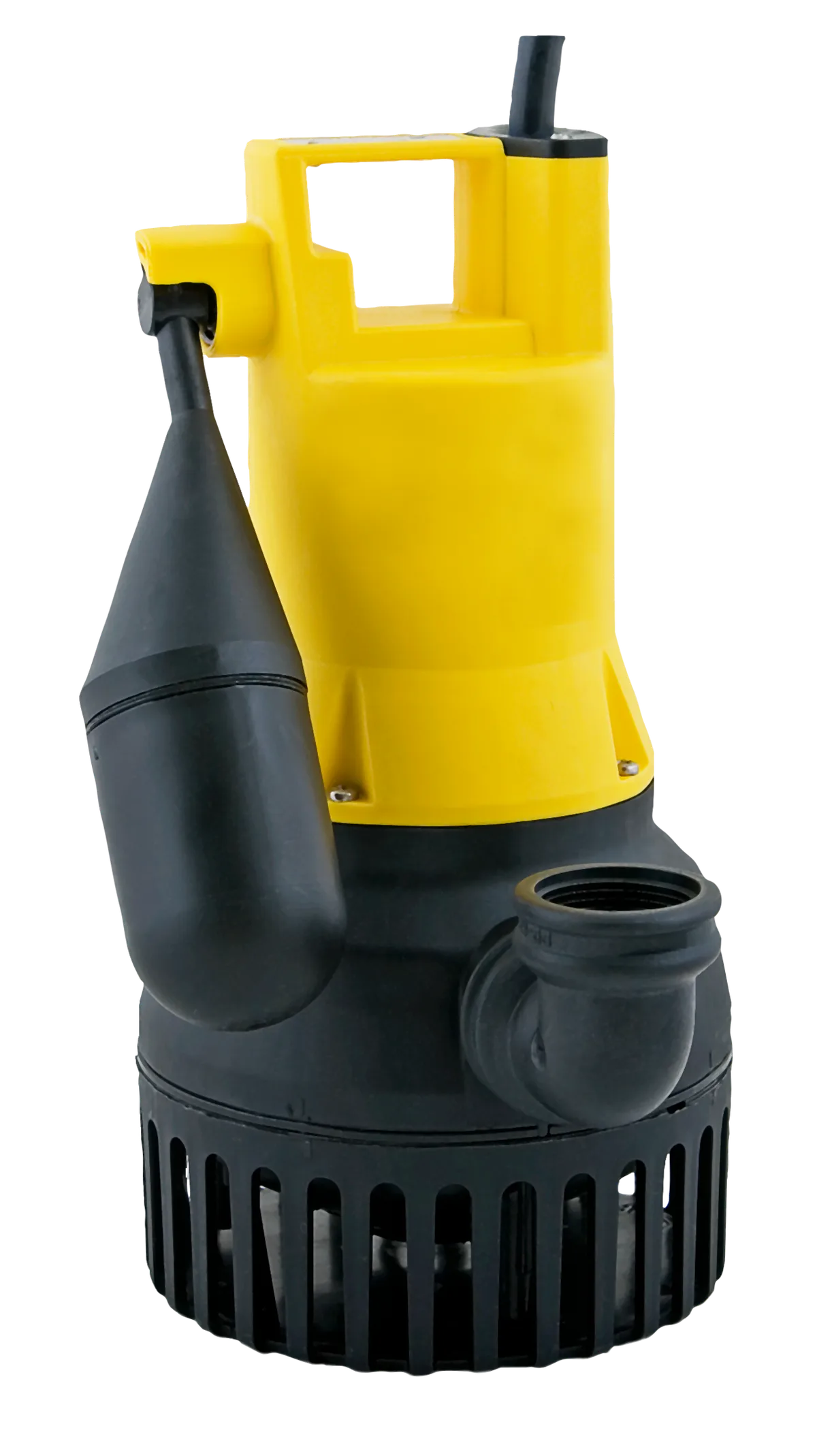
Image source: Wikimedia Commons / PumpExpert (CC BY-SA)
Approved Discharge Methods: Yard Grading, Storm Drains, and Dry Wells
Discharge to yard grading requires sloping soil away from foundation at minimum 2% grade over 10 feet. This method works best for properties with adequate lot size and permeable soil conditions. Storm drain connections are legal in many areas but require permits and backflow prevention devices to prevent system surcharge.
Dry wells or infiltration trenches capture discharge underground where soil percolation rates support absorption. These systems prevent surface erosion and neighbor disputes while managing high-volume output during extended pumping. Per EPA stormwater guidelines, dry wells must maintain minimum setbacks from septic systems, property lines, and building foundations.
Preventing Foundation Damage and Neighbor Disputes
Directing concentrated flow against foundation walls causes hydrostatic pressure buildup and new leaks. Use splash blocks or rock beds at discharge points to dissipate energy and prevent soil erosion. Position outlet piping to carry water toward natural drainage paths rather than adjacent properties or shared driveways.
Communicate with neighbors before establishing new discharge routes affecting boundary areas. Written agreements prevent future disputes and provide documentation if drainage patterns change due to development. Regular inspection of discharge zones ensures continued compliance and prevents gradual landscape degradation over time.
Critical Setup Mistakes That Cause Backups or Equipment Failure
Check Valve Orientation and Frozen Line Prevention
Check valves must install vertically with arrow pointing away from pump to prevent backflow. Horizontal installation allows valve flapper to sag and fail, sending discharged water back into the pit. Silent spring-loaded models reduce noise and wear compared to standard swing-type valves in high-cycle applications.
Bury exterior discharge lines below local frost depth or install heat tape to prevent winter freezing. Frozen pipes block flow completely and can burn out pump motors trying to push against ice obstructions. Insulate exposed piping and verify slope maintains downward grade even when ground settles seasonally.
Matching Hose Diameter to Pump Capacity
Using undersized hose restricts flow and forces pump to work beyond rated head pressure capacity. Manufacturer specs confirm 1/3 HP pumps typically require minimum 1.25-inch diameter for optimal performance. Larger pumps moving higher volumes need 1.5-inch or 2-inch lines to avoid cavitation and premature failure.
Measure total vertical lift plus horizontal run length when selecting hose size and pump rating. Every 10 feet of horizontal friction loss equals approximately one foot of additional head pressure. Consult pump performance curves rather than assuming advertised GPM ratings apply to your specific installation configuration.
Generator Sizing and Continuous Operation Limits
Portable generators must supply both starting surge wattage and continuous running load for reliable operation. Most 1/2 HP sump pumps draw 1,000 watts running but require 2,000+ watts to start under load. Undersized generators cause voltage drops that damage pump motors and backup battery systems during extended outages.
Monitor fuel consumption and runtime expectations when relying on generator power during prolonged storms. Automatic transfer switches prevent dangerous backfeeding into utility lines and protect equipment from power surges when grid service restores. Test generator monthly under actual pump load to confirm readiness before emergency situations arise.
Post-Flood FAQs: Timing, Drying, and Compliance
How long should sump pump run after flooding stops?
Continue running until water level stabilizes below intake and surrounding soil drains adequately. This typically takes 24 to 72 hours depending on soil saturation and water table conditions. Intermittent cycling indicates residual groundwater still migrating toward foundation perimeter drainage systems.
Can I discharge sump water onto neighbor's property?
No, directing runoff onto adjacent land violates property rights and local drainage ordinances in most jurisdictions. You remain liable for damage caused by altered water flow patterns regardless of intent. Establish discharge routes within your property boundaries or obtain written easement agreements beforehand.
What happens if my sump pump fails during active flooding?
Deploy battery backup pump or gas-powered trash pump immediately to prevent water accumulation. Remove valuables and electronics from affected areas while arranging emergency equipment rental or service calls. Document timeline and mitigation efforts thoroughly for insurance claim substantiation and coverage verification.
Do I need a permit for sump pump discharge installation?
Permit requirements vary significantly by municipality and depend on discharge method chosen for your property. Storm drain connections and dry well installations typically require permits and inspections. Simple yard grading discharge may be exempt but always verify with local building department before proceeding.
How do I prevent mold after sump pump flooding?
Extract standing water completely then deploy industrial dehumidifiers and air movers within 24 hours. Maintain relative humidity below 60% and monitor moisture content in porous materials daily. Discard saturated carpet padding, insulation, and drywall that cannot dry fully within 48 to 72 hours.