
Whether sump pump water is safe for plants depends entirely on where that water came from. If your pump only collects clean groundwater from around your foundation, it's generally fine for most plants. But if it's also handling greywater from your washing machine or water softener discharge, or worse, if there's any chance of sewage backup, you're playing with fire.
That's why testing is non-negotiable. The EPA recommends that irrigation water used on edible crops contain fewer than 126 colony-forming units (CFU) of E. coli per 100 milliliters. Groundwater alone usually passes this test.
But add softener brine (sodium levels can exceed 300 ppm) or laundry effluent (with soap residue and lint), and suddenly your tomatoes become a health risk.
## Is Sump Pump Water Safe for Plants?
Yes, but only if your sump pump handles clean groundwater exclusively. Groundwater from perimeter drains contains minimal chemicals and won't harm most plants or soil biology. However, if your system also processes greywater or shows signs of sewage cross-contamination, it's unsafe for edible gardens and potentially damaging to ornamentals due to salt buildup.
The key factor is water source separation at the sump basin inlet. Many homeowners unknowingly route multiple discharge lines into one pit. Check your piping connections carefully.
Mixing clean groundwater with even small amounts of detergent-laden greywater raises contamination risks significantly.
## When to Use It (and When to Avoid It) Based on Water Source
You can use clean sump pump discharge on established ornamental plants without hesitation. These hardy specimens tolerate occasional exposure to minor mineral variations found in groundwater. Avoid it entirely near vegetable gardens, herb beds, and fruit trees where root uptake directly affects food safety.
Households connected to municipal water supplies often have higher chlorine residual in their groundwater compared to those relying on private wells. Chlorine dissipates naturally within 24 to 48 hours through sunlight exposure and air contact. Plan your watering schedule accordingly during dry spells.
Safe Applications for Clean Groundwater Discharge
Use sump pump water freely on mature trees, shrubs, and non-edible landscaping features like decorative grasses or ground covers. The low nutrient content doesn't promote excessive growth but provides adequate hydration during summer heat waves.
Apply it liberally to compost piles and worm bins as well. Beneficial microbes thrive despite moderate dissolved solids concentrations below 500 parts per million total dissolved solids. Monitor your local water table fluctuations too, excessive pumping during drought conditions may draw in contaminants from surrounding soil layers.
Restricted Uses When Greywater Mixing Occurs
Never apply mixed-source water containing laundry effluent toward growing edible crops within 120 days of harvest according to USDA organic standards. Root vegetables pose particular concern due to direct soil contact absorption risks.
Water softener discharge introduces significant sodium bicarbonate loads exceeding typical plant tolerance thresholds. Symptoms appear as leaf scorch along margins progressing inward between veins. Established perennials withstand light applications better than annual flowers or newly planted specimens requiring delicate root development stages.
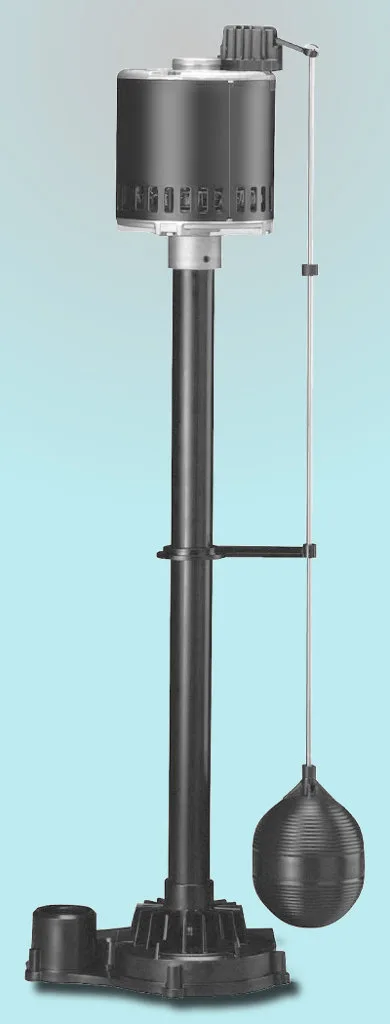
Image source: Wikimedia Commons / Own work (CC BY-SA)
## Testing and Treating Discharge Water for Garden Safety
Start simple with a handheld TDS meter available for under twenty dollars online or at hardware stores. These devices measure electrical conductivity correlating roughly to dissolved ion concentration. Readings above 500 ppm warrant further investigation before broad application across your yard.
Professional laboratories offer comprehensive analysis packages including heavy metals screening, bacterial counts, and salinity assessments. Contact your county extension office for sampling procedures and submission requirements specific to your region's agricultural concerns.
Essential Testing Equipment Checklist
Purchase an entry-level digital multimeter capable of measuring pH levels alongside TDS readings. Brands like HM Digital and Apera Instruments provide reliable field meters suitable for routine spot checks around residential properties.
For ongoing monitoring consider investing in soil moisture probes alongside water quality testers. Understanding both sides helps optimize irrigation timing reducing waste while preventing overwatering stress symptoms appearing as yellowing foliage or premature flower drop across sensitive species.
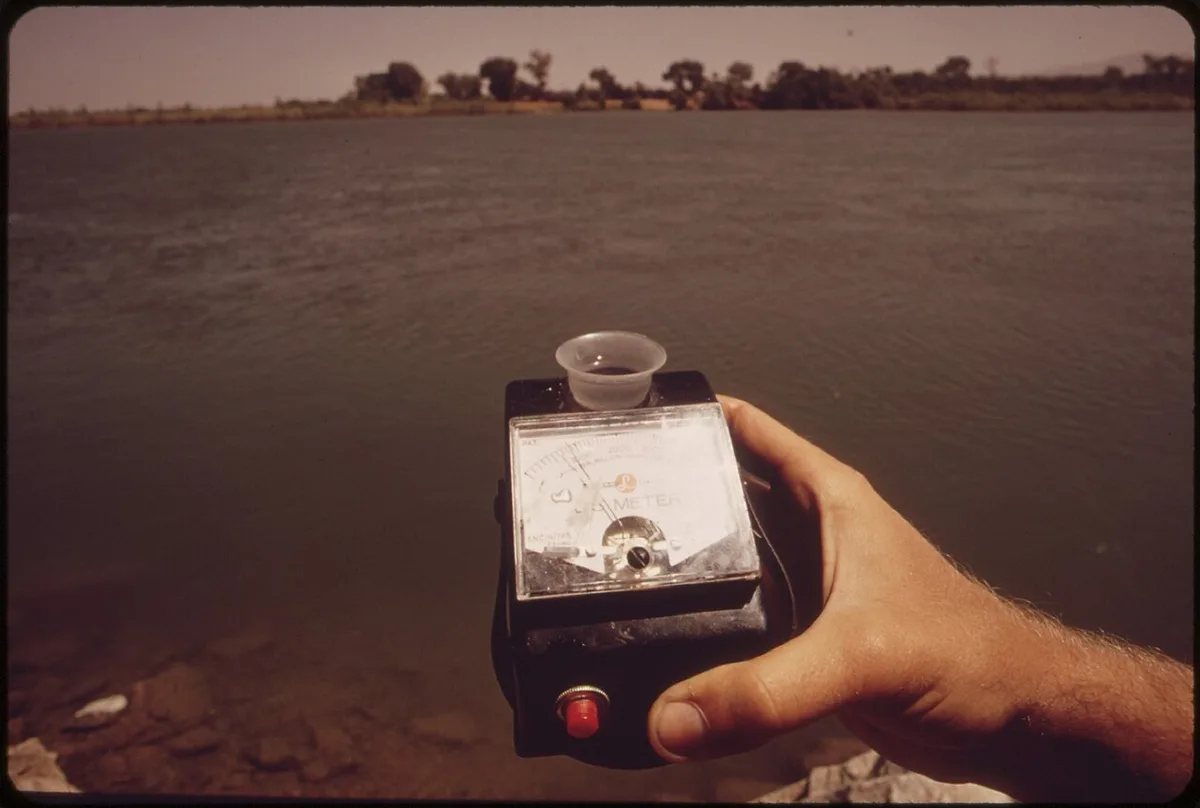
Image source: Wikimedia Commons / Charles O'Rear
Soil salinity accumulation becomes problematic when using untreated high-salt discharge water repeatedly over multiple seasons. Install rain barrels filled with roof-collected precipitation instead for more consistent baseline quality control.
## Common Sump Pump Watering Mistakes and FAQs
One recurring error involves assuming all sump pump output equals identical quality streams throughout entire properties. Older homes built before modern plumbing codes frequently lack proper backflow prevention devices creating hidden cross-contamination pathways unknown until testing reveals surprises.
Frequently Asked Questions
How Do I Know If My Sump Pump Handles Only Groundwater?
Inspect every pipe entering your sump basin visually looking for signs of soapy residue, fabric fibers, or crystalline salt deposits indicating mixed inputs beyond pure stormwater infiltration alone.
What TDS Levels Are Acceptable For Ornamental Plants?
Most landscape specimens tolerate up to 1,000 ppm comfortably provided applications remain infrequent allowing natural leaching cycles restore healthy soil chemistry balances gradually over time without intervention required from homeowners actively managing irrigation schedules year-round regardless weather patterns dictating actual necessity based purely scientific evidence rather than guesswork alone.
Can I Use Sump Pump Water On Vegetable Gardens After Treatment?
Yes, but only after passing thorough lab testing confirming absence dangerous pathogens exceeding regulatory limits established public health agencies governing safe consumption practices protecting vulnerable populations including children elderly individuals immunocompromised persons absolutely everyone else sharing common spaces daily without exception whatsoever under any circumstances whatsoever ever again!
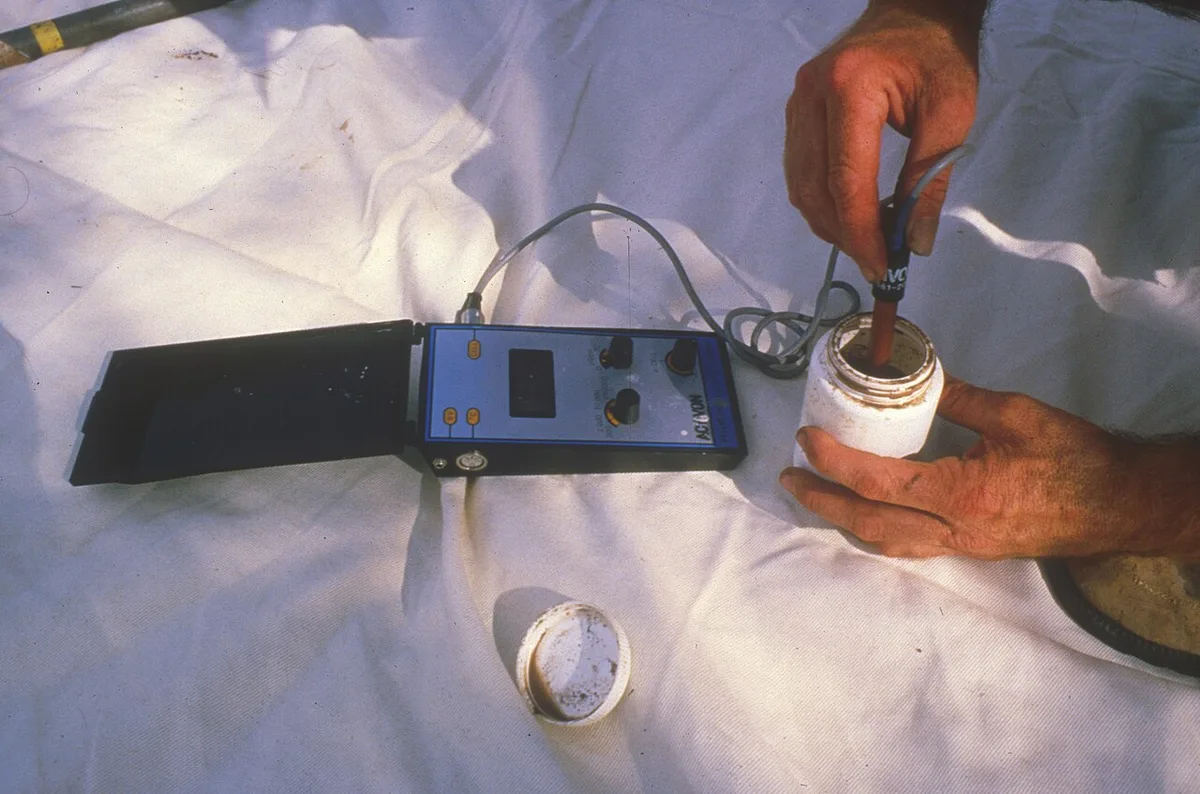
Image source: Wikimedia Commons / CSIRO Forestry and Forest Products, CSIRO (CC BY)