
Yes, in many cases, a sump pump can handle water containing leaves, but the outcome depends heavily on the pump design, leaf type, and whether you prepare the system properly. Leaves introduce solids that can clog the impeller or reduce flow rate. The key is understanding what each component can tolerate and taking preventive action.
How Leaf Type and Pump Design Determine Success or Failure
The short answer is: it depends entirely on two variables. The first is leaf size and condition. Whole, flexible leaves tangle and wrap around impellers like seaweed around a propeller.
Crushed or small leaf fragments behave differently.
The second variable is the pump itself. Standard residential sump pumps use either a vortex impeller or a semi-open impeller design. Manufacturer specifications show most consumer-grade pumps can handle spherical solids up to one-quarter inch in diameter.
Vortex impellers create a whirlpool effect that helps pass debris without direct contact.
This matters because mixing incompatible leaf and pump combinations leads to predictable failures.
A standard pedestal or submersible sump pump will struggle with large autumn leaves. These systems work well for typical groundwater that carries fine silt or small particulates. However, when mature leaves enter the sump basin, they often jam the impeller instantly.
Specialized equipment performs much better. A true solids-handling pump, sometimes called a non-clog pump, uses a wider impeller passage design. Some commercial-grade units handle spherical solids up to three inches.
These pumps cost more but prevent frequent shutdowns during peak leaf season.
Pump design directly correlates with maintenance workload and reliability during heavy leaf events.
Many homeowners discover too late that their existing pump cannot cope with seasonal debris. The result is usually a tripped overload protector, reduced flow rate, or complete motor burnout from overheating.
Understanding these limitations before the first major storm arrives makes all the difference between staying dry and dealing with a flooded basement.
Step-by-Step Workflow: Clearing, Testing, and Upgrading for Debris
Before leaf season begins, you need a clear plan for your sump system. This step-by-step workflow ensures your pump keeps running when you need it most, whether you're using a standard unit or upgrading to a more robust model.
Start by inspecting your sump basin. Remove any accumulated leaves by hand or with a utility vacuum designed for wet conditions. Check the discharge pipe for blockages, particularly at the check valve connection point where debris tends to collect and harden.
Testing involves pouring a bucket of water into the basin and listening for unusual noises or vibration patterns.
Next, examine your pump's impeller access port. Turn off electrical power at the GFCI outlet first, then remove the cover. Look for tangled material wrapped around the impeller blades, which indicates the pump is already experiencing the kinds of binding that larger leaf pieces will worsen.
If your current pump shows signs of strain, consider upgrading to a model rated for higher solids content. A grinder or shredder pump handles stringy materials by chopping them into smaller pieces before they reach the impeller. This adds complexity and cost, but pays dividends during extended rainfall events combined with falling leaves.
Finally, install a debris guard or intake screen over the basin opening. Make sure the mesh size is small enough to catch leaves but large enough to allow water flow without frequent cleaning. Regular monthly checks throughout autumn keep the system performing efficiently.
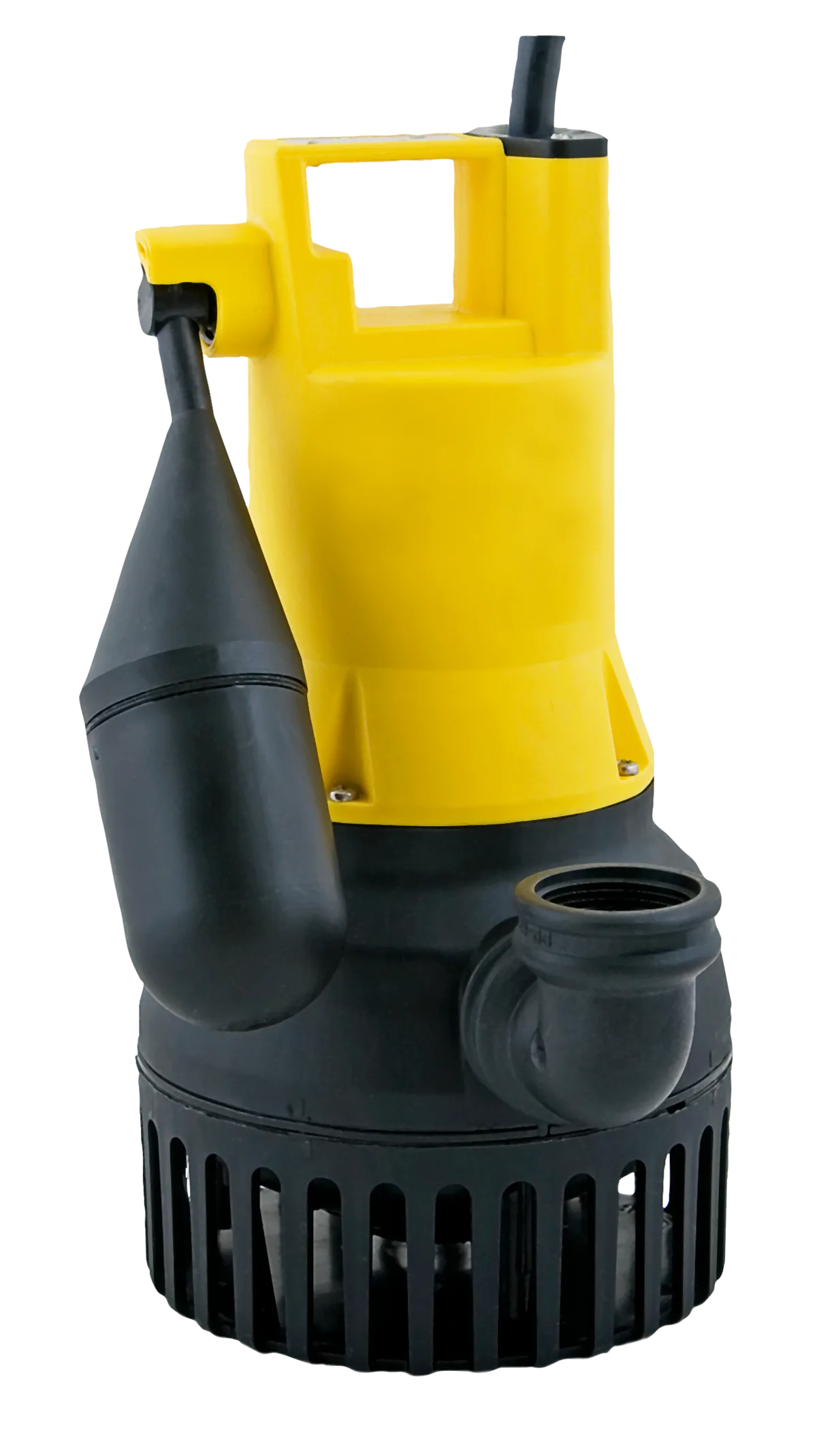
Image source: Wikimedia Commons / PumpExpert (CC BY-SA)
Common Mistakes That Burn Out Motors During Leaf Season
Even experienced homeowners make predictable errors when facing leaf-heavy conditions. These mistakes compound quickly, often leading to situations where basic pump maintenance becomes impossible without professional help.
The oldest mistake involves ignoring early warning signs.
When you hear grinding or experience reduced flow rate, resist the urge to simply restart the pump repeatedly. Each restart cycles a motor with stalled impeller loads, generating heat faster than the thermal overload can dissipate. The National Electrical Code's Article 430 covers proper protection requirements for these scenarios, emphasizing that repeated manual resets indicate an underlying mechanical problem needing attention.
Another common error is selecting the wrong impeller type for your environment. Many people assume all sump pumps handle debris equally well. A standard single-pass impeller works fine for clean groundwater, but struggles immediately with leaf material.
Upgrading to a vortex impeller design provides significantly better tolerance to stringy organic matter like leaves and grass clippings.
Trying to clear massive leaf buildup without shutting down electrical power creates serious safety hazards.
Never reach into a sump basin while electricity remains connected, even with GFCI protection active. Wet conditions plus electrical current equal dangerous shock risks every time.
Overlooking regular maintenance schedules also causes predictable failures. Many homeowners wait until problems arise rather than following manufacturer-recommended quarterly inspection intervals during high-risk seasons.
Image source: Wikimedia Commons / Ivangiesen
FAQs
can a sump pump pump water with leaves if I upgrade to a better impeller?
Upgrading to a vortex or grinder-style impeller significantly improves solids handling capability, but the entire system needs to accommodate the change. Larger impeller passages require corresponding discharge piping modifications to maintain proper flow dynamics. Without addressing the whole system, the upgraded component works well for a while until other restrictions cause pressure buildup that eventually damages the pump anyway, making comprehensive system design essential for long-term success, especially in areas with heavy leaf accumulation throughout multiple seasons.
what size solids can a typical residential sump pump handle?
Most consumer-grade residential sump pumps handle spherical solids up to one-quarter inch in diameter, according to industry testing standards established by the Hydraulic Institute. Specialized non-clog models increase this capacity to roughly three-eighths inch, which accommodates many crushed leaf fragments. Standard pumps fail immediately when encountering whole autumn leaves measuring several inches across, since these exceed the impeller passage diameter and simply jam the motor instantly.
should I install a check valve when dealing with leaf-heavy conditions?
Check valves remain essential components in any sump pump installation, even in leaf-prone environments. They prevent backflow that could otherwise carry debris back toward the pump, creating additional clogging risks during rapid cycling periods. However, select a swing-check design rather than spring-loaded varieties.
Leaf fragments jam spring mechanisms much faster than gravity-operated swing gates. Per ASME B16.34 testing requirements, properly sized check valves also reduce water hammer effects that could dislodge loose piping connections during heavy flow surges from seasonal rainfall combined with melting snowpack accumulation.
how often should I inspect and clean my sump pump during fall?
During peak leaf season, inspect your sump basin weekly for visible debris accumulation and listen for unusual operating sounds indicating mechanical stress. If your area experiences consistently high leaffall rates, biweekly checks work better since waiting longer risks complete impeller seizure requiring motor replacement. Clean intake screens and remove accumulated organic matter immediately when noticed.
what's the difference between a grinder pump and a regular sump pump?
Grinder pumps use rotating cutting teeth to shred solids before pumping them through narrow discharge pipes. Regular sump pumps rely on centrifugal force alone to move water and small particles through larger impeller passages without cutting action, making grinder pumps more effective in high-debris environments where conventional pumps would clog repeatedly without constant maintenance intervention and manual cleaning cycles required throughout each active season.