
Yes, a sump pump can dry out soil under a house, but only under specific conditions. It removes water, not bound soil moisture. Clay soils retain water tightly, while sandy soils drain faster. Continuous pumping can lower the local water table, drying surrounding soil over time depending on pump runtime, soil type, and drainage layout.
[can a sump pump dry out soil under a house]
can a sump pump dry out soil under a house
Yes. A sump pump removes water from the sub-slab area, lowering the local water table beneath the foundation. Over weeks or months, this dries saturated soil. However, results depend heavily on soil type and system installation.
How Soil Type Changes Everything
Soil response varies significantly. Sandy or gravelly soils allow free water movement, enabling pumps to reduce moisture quickly within days or weeks across a wide radius.
Clay soils are dense and resist water flow. Even with aggressive pumping, water remains trapped. Running pumps too long on clay causes uneven drying, leading to structural issues.
The Real Mechanism Behind Soil Drying
Continuous pumping creates suction around drain tiles or sump pits, pulling groundwater away. As water leaves soil pores, moisture content drops and soil compacts slightly.
This requires consistent operation; short cycles are ineffective. Foundation Performance Association case studies show measurable drying in permeable soils within 60 to 90 days of continuous pumping.
[Check what soil you're dealing with] — local county extension services offer low-cost soil tests identifying texture class, the primary factor predicting ground reaction to dewatering.
When Continuous Pumping Does More Harm Than Good
Expansive clay expands when wet and shrinks when dry. Aggressive drying causes contraction, creating gaps under footings that lead to settlement.
Balance is critical. Remove excess water without pushing soil past optimal moisture. Per ASTM D2488, expansive soils should stay within 5 to 10 percent moisture loss to avoid volume changes. Run pumps only when water levels are high, not continuously.
Signs Your Sump Pump Is Actually Drying the Soil
Initial signs include reduced basement humidity, less dehumidifier use, unsticking door frames, and solid floors replacing spongy ones.
Watch for negative indicators: hairline cracks in walls or floors, gaps around window frames, or binding doors. These signal uneven drying and risk. Use a moisture meter at various slab locations for hard data rather than guessing.
The Critical Difference Between Draining Water and Desiccating Expansive Clay
Draining water differs from drying soil. Removing standing water protects basements; extracting soil moisture can destabilize structures.
Why Clay Becomes Dangerous When It Dries
Expansive clays contain minerals like montmorillonite that swell with water and shrink without it. In their "at-plastic" state, these soils lose 10 to 15 percent volume during drying. This uneven movement causes differential settlement.
Foundations require stable soil. Partial shrinkage shifts footings, cracking walls and sloping floors. Severe cases require piers or underpinning.
The Sweet Spot: Controlled, Not Aggressive Drying
Maintain stable moisture ranges rather than bone-dry conditions. Structural engineers recommend 12 to 20 percent moisture for clay soils. Track changes with a soil moisture meter.
In arid climates or droughts, natural desiccation occurs. Pump-driven drying accelerates problems. Monitor rainfall and adjust operation accordingly.
When You Should Actually Stop Pumping
If the pit stops cycling after heavy rain, soil has reached equilibrium. Keep the pump installed but don’t force operation. Stabilizing at higher moisture is often better than chasing lower water tables.
[Foundation repair experts agree that consistent moisture levels matter more than absolute dryness] — new construction uses moisture barriers and controlled drainage rather than relying solely on active pumping.
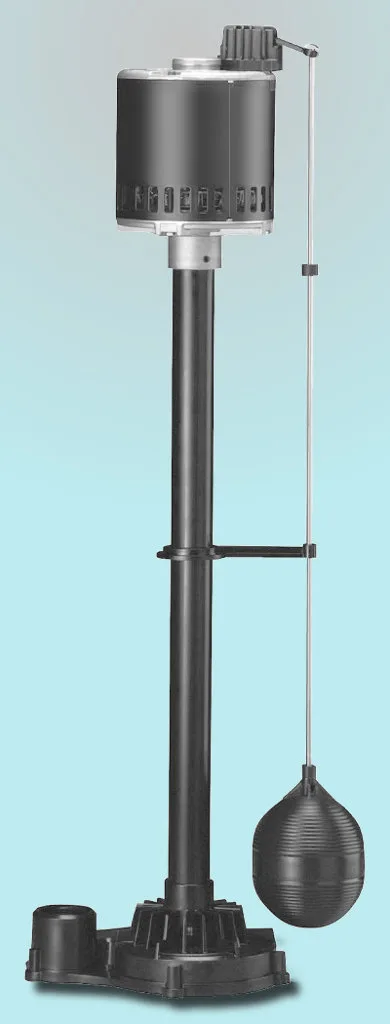
Image source: Wikimedia Commons / Own work (CC BY-SA)
When to Pump, When to Pause, and When to Call a Structural Engineer
Pumping decisions depend on soil type, moisture conditions, and foundation response. Contractors use this decision flow as of 2026.
Step One: Identify Your Soil Type
Soil forming ribbons when rolled is likely clay; crumbling soil is sandy. Consult NRCS soil surveys if unsure.
Sandy soils tolerate longer pumping. For clay, start with short cycles and monitor for cracking.
Step Two: Monitor Foundation Movement
Install crack monitors on interior and exterior walls. If active movement follows increased runtime, scale back immediately.
[Signs like sticking doors, gaps in trim, or new cracks mean your soil is moving] — continued pumping risks worsening problems, requiring structural engineer input.
Step Three: Know When to Call a Pro
Stop pumping and consult an engineer if differential settlement exceeds 1/8 inch monthly, or if walls bow or corners separate. Professionals calculate bearing capacity and recommend controlled dewatering or stabilization.
A Few Red Flags That Demand Immediate Attention
Cracks wider than 1/4 inch (especially diagonal), doors/windows failing to close on multiple sides, or dry sump pits with yard water present require attention.
[Ignoring these signs can lead to expensive structural repairs down the road] — underpinning costs $1,000 to $3,000 per linear foot. Prevention is cheaper than correction.
Common Sump Pump Mistakes That Damage Foundations
Improper operation causes problems even with correct setup. These issues frequently appear in inspection reports.
Running the Pump Too Long or Too Often
Continuous operation dries soil unevenly; areas near drain tiles lose moisture fastest while distant zones stay wet, causing localized settling.
Use timers or smart controllers limiting runtime to 30-minute intervals with two-hour breaks, allowing natural moisture redistribution.
Discharging Water Too Close to the Foundation
Discharging near basement walls recycles moisture, keeping soil in wet-dry cycles. Route discharge at least 10 feet away using flexible hoses. Check local codes regarding storm sewer connections.
Forgetting About Freeze Protection
Frozen discharge lines cause backups and pressure buildup leading to failure. Install freeze-resistant lines or battery backup pumps ($200–$400).
[Ignoring basic maintenance leads to pump failure during the worst storms] — most failures occur during power outages when pumps are needed most.
Frequently Asked Questions
Can a sump pump completely dry out clay soil?
No. Clay’s dense structure resists complete drying. Pumps reduce moisture to stabilize conditions but must stop before shrinkage causes damage.
How long does it take for a sump pump to show soil drying effects?
Visible changes appear in 30 to 90 days of consistent operation, showing as reduced humidity and improved floor stability. Clay responds slower than sand.
Should I worry about my foundation if I run the pump constantly?
Constant pumping risks uneven drying and settlement in clay. Monitor for sticking doors, cracks, or floor dips, reducing activity if they appear.
What’s the ideal soil moisture level for foundations?
Maintain 12 to 20 percent moisture in clay. Below 10 percent accelerates shrinkage; above 25 percent builds expansive pressure. Regular meter checks prevent extremes.
Can overwatering undo the benefits of sump pumping?
Yes. Overwatering reactivates expansion, negating drying efforts. Keep gutters clear and grade away from foundations. Consistent moderate moisture beats extreme cycles.
Is it safe to rely on a sump pump during drought conditions?
Droughts cause natural drying. Adding pump extraction creates dangerous shrinkage gaps. Use pumps sparingly during dry periods, focusing on even moisture maintenance.