
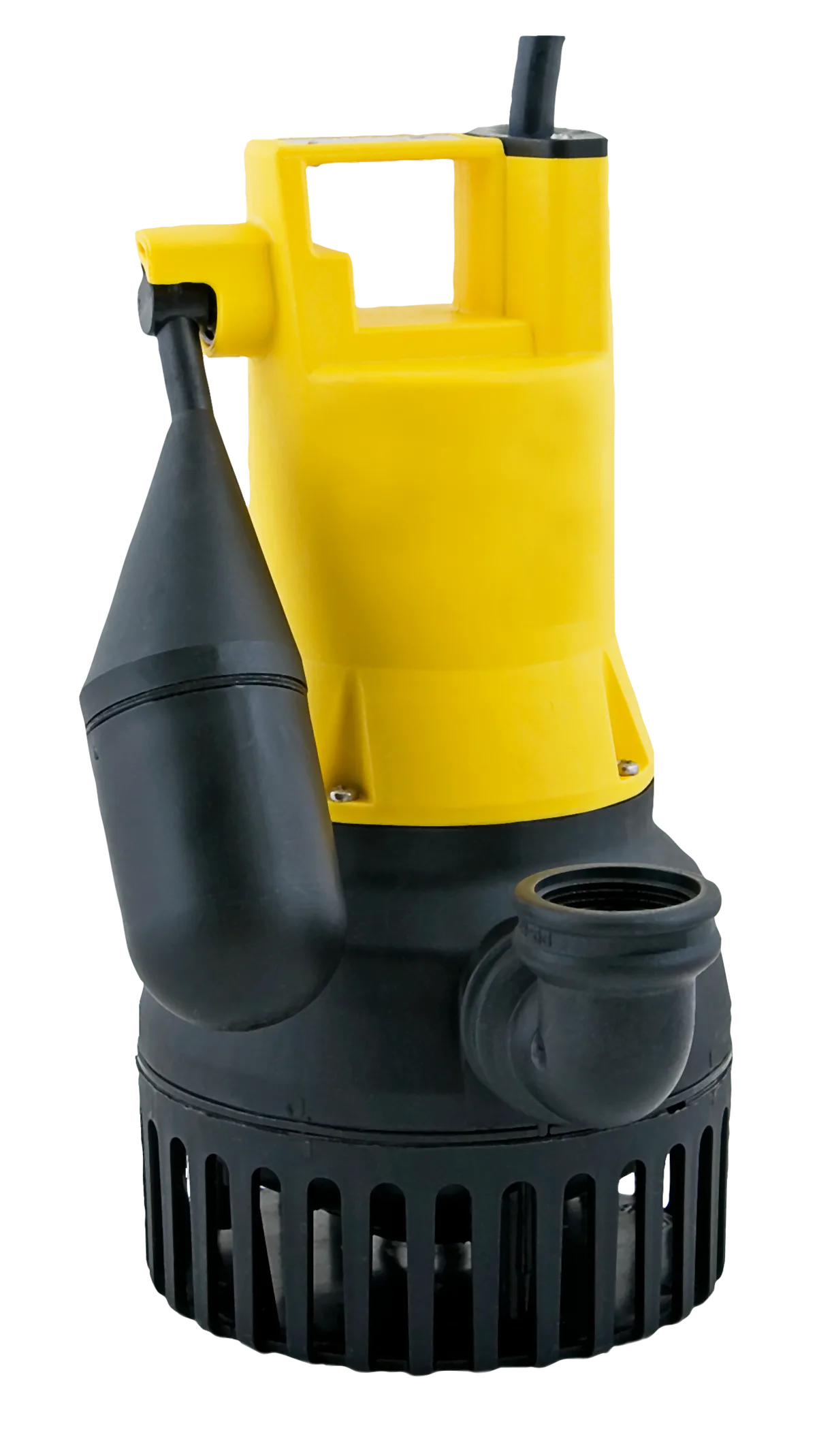
Why is there standing water at the bottom of a sump pump pit? It usually means your pump isn't keeping up with incoming water, or a component in the system has failed. The water sits there because gravity pulls groundwater into the pit faster than the pump can push it out.
In most cases, the issue isn't critical, but it's worth figuring out quickly before it turns into a bigger problem.
A healthy sump pump pit should have no more than 2 to 4 inches of water at the bottom. Anything beyond that could signal a malfunction or unusually heavy groundwater. Understanding why the water is pooling is key to preventing basement flooding and costly repairs.
Why Standing Water Happens in Your Sump Pit
Standing water in your sump pit occurs when inflow exceeds outflow. Groundwater constantly seeps into the pit through perforations in the basin or surrounding drainage pipes. If the pump fails to remove water at the same rate it enters, the level rises.
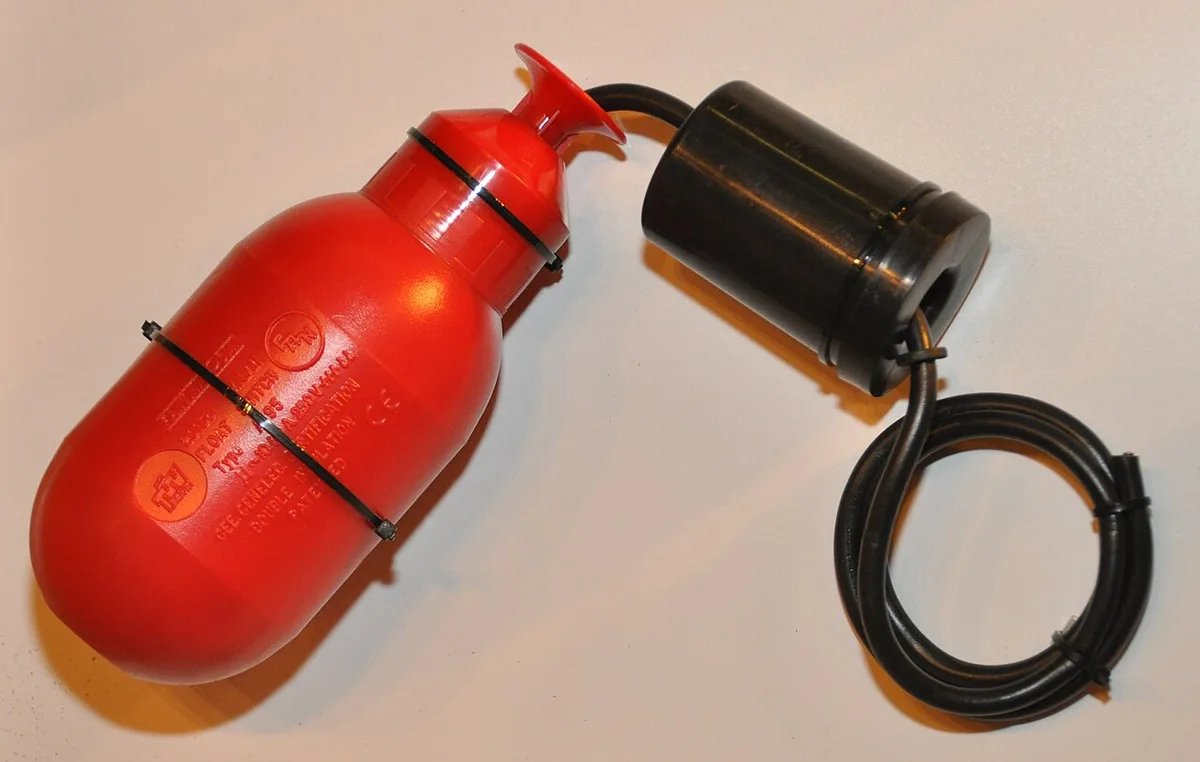
Common causes include a stuck float switch, a clogged impeller, or a discharge line blockage. High water tables during heavy rain or snowmelt can overwhelm even properly functioning systems. Seasonal changes in groundwater levels also play a role.
A malfunctioning check valve may allow water to flow back into the pit after pumping. Old or undersized pumps lose efficiency over time. Electrical issues like a tripped breaker or blown fuse interrupt operation.
Debris buildup at the pit inlet restricts drainage flow. Manufacturer specifications typically recommend pumps sized for specific basement volumes. Our research indicates regular maintenance prevents most failures.
Quick Checks to Diagnose the Issue
Before calling a professional, run through these simple tests to identify the problem. First, check the circuit breaker for your sump pump. A tripped breaker is an easy fix and a frequent cause of pump failure.
Next, listen for the pump activating when you lift the float switch manually. If you hear humming but no water movement, the impeller may be clogged. Pour a bucket of water into the pit and observe if the pump starts and stops properly.
If it runs continuously, the float switch might be stuck. Inspect the discharge pipe for ice blockages or kinks. A frozen line will prevent water from exiting the system entirely.
Check for visible debris around the pump housing. Leaves, dirt, and small objects commonly obstruct intake flow. Finally, verify that the check valve allows one-way water flow.
A malfunctioning valve causes water to drain back into the pit after each cycle. For more sump pump maintenance guidance, visit our plumbing resource center.
What’s Normal vs. What’s a Problem
Not all standing water indicates a malfunction. During typical operation, expect 2 to 4 inches of water at the pit bottom. This level fluctuates with groundwater conditions and pump cycles.
If water rises above the pump's inlet port, you're dealing with an issue requiring attention. Continuous water flow without pause suggests the pump cannot handle current inflow rates. A pump running every few minutes rather than every few hours may indicate oversaturation or system weakness.
Water remaining after the pump shuts off often points to a failed check valve. Occasional short cycles during wet weather are normal. Persistent dry pits during dry periods confirm proper function.
Sewage odors emanating from the pit signal venting problems or cracked seals. Oil or chemical smells suggest contamination requiring immediate professional assessment. Manufacturer specifications vary by model, so consult your unit's manual for exact parameters.
When in doubt, review our guide on common appliance error codes for diagnostic parallels.
When to Call a Pro vs. Fix It Yourself
Simple issues like tripped breakers or minor clogs are safe DIY fixes. However, electrical work near water poses serious hazards. If you're uncomfortable testing outlets or handling wiring, hire a licensed electrician.
Persistent problems despite basic troubleshooting warrant professional evaluation. A plumber can assess your entire drainage system holistically. Replacing internal components like float switches or check valves requires technical expertise.
Incorrect installation leads to recurring failures. Motor burnout or complete pump failure demands replacement, not repair. Professionals ensure proper sizing and installation according to local codes.
For complex electrical diagnostics, explore certified technician resources applicable across home systems.
Frequently Asked Questions
Is it normal for water to sit in a sump pit?
Yes, 2 to 4 inches of water is typical during normal operation. The pump activates when water reaches a preset level and should run until it drops below the intake pipe.
Why won't my sump pump turn on?
Check the circuit breaker first. A tripped breaker is common. Verify the float switch moves freely.
Stuck switches fail to trigger pump activation.
How often should I clean my sump pump pit?
Inspect quarterly. Remove debris annually. Check for cracks in the basin.
Tighten loose connections.
Can a clogged discharge pipe cause standing water?
Absolutely. Ice, debris, or pipe collapse blocks outflow completely. Water accumulates rapidly without drainage.
Should I install a backup sump pump?
Highly recommended for flood-prone areas. Battery backup systems activate during power outages when primary pumps fail.
As of 2026, modern smart sump pumps with Wi-Fi alerts are becoming standard in new construction. These devices notify homeowners immediately of pump failures or high-water conditions. Municipal building codes increasingly require backup systems in flood zones.
The EPA recommends professional installation for compliance with local regulations. Regular testing and maintenance remain essential regardless of technology level. Seasonal inspections catch problems early.
Winterizing discharge lines prevents freezing damage. Professional servicing extends pump lifespan beyond the typical 3-year replacement cycle. For electrical safety concerns, always consult qualified technicians.
GFCI outlets near water sources require monthly testing. Proper grounding protects sensitive electronic components. Local plumbing permits ensure code compliance.
Insurance providers often offer premium discounts for monitored systems. Early detection saves thousands in potential water damage.
How do I know if my check valve is bad?
Listen for repeated rapid cycling. Good valves prevent backflow. Bad ones let water return after each pump cycle.
What size sump pump do I need?
Calculate your basement's drainage area. Experts recommend 1/3 HP for average homes. Larger basements need 1/2 HP or higher.