
What is the difference between a sump pump and a condensate pump? These two devices get mixed up constantly because both move water. But they solve completely different problems, live in different locations, and you absolutely cannot swap one for the other.
The confusion usually starts when water shows up where it shouldn't. Maybe your basement is flooding after a storm. Or your HVAC system starts leaking water onto the floor.
Both situations need a pump, but the wrong choice will leave you with a bigger mess.
Our research into plumbing codes, manufacturer specifications, and field reports from contractors shows the key distinctions come down to three things: what water source it handles, where it installs, and how urgently it must work. Let me break that down.
## what is the difference between a sump pump and a condensate pump
A sump pump removes groundwater that collects in a basement pit. A condensate pump removes wastewater generated by HVAC systems. Sump pumps handle large volumes of dirty water.
Condensate pumps handle small volumes of clean water. These pumps install in completely different locations.
What Each Pump Actually Does and Where It Goes
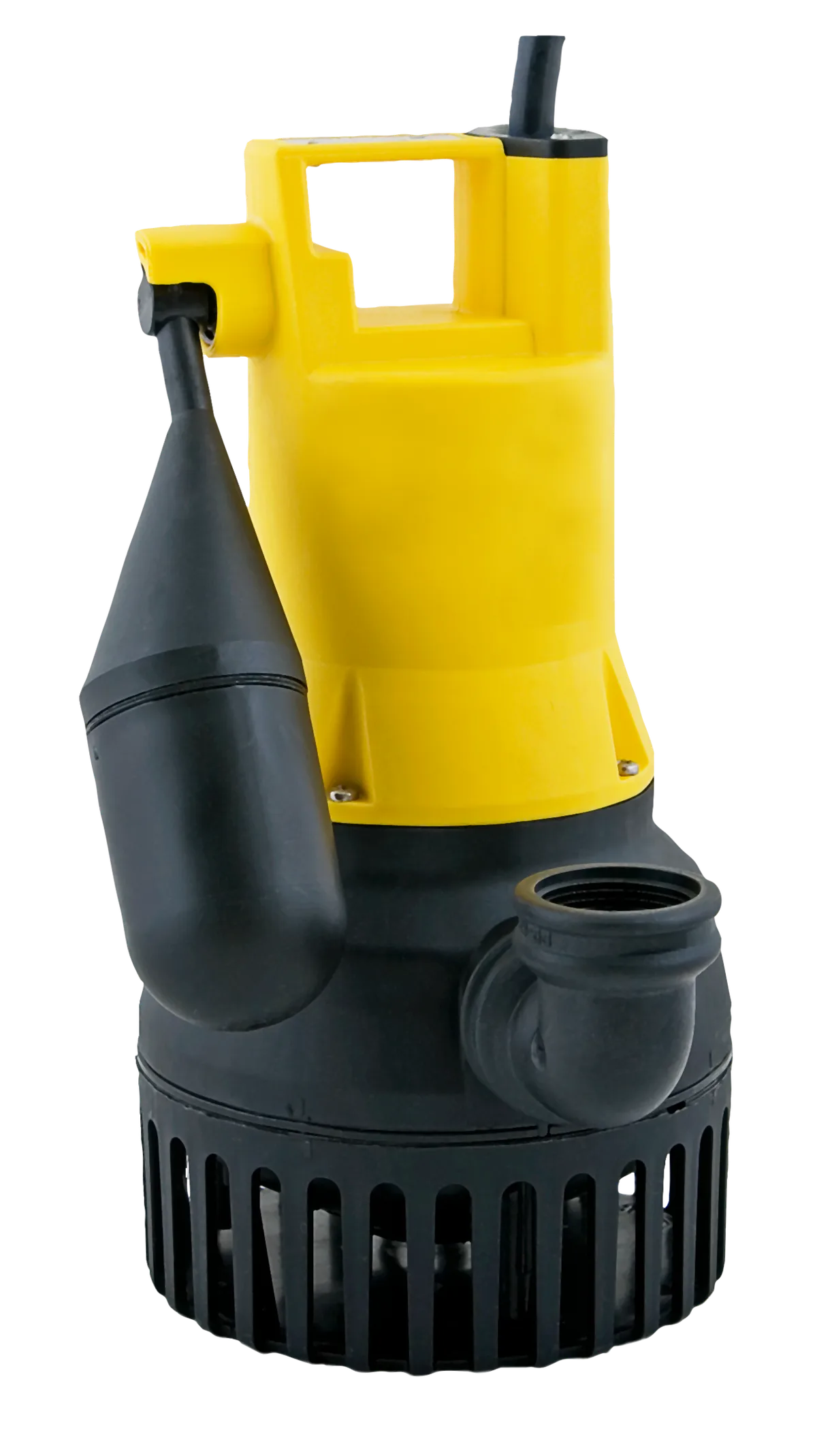
A sump pump lives in a buried basin called a sump pit. That pit collects groundwater seepage from your basement floor and foundation walls. The pump sits at the bottom, usually on a platform of bricks or a pump stand.
When water rises to a trigger level, a float switch activates the motor. The pump then pushes water through a discharge pipe to the outside of your home.
Sump pumps deal with potentially contaminated water. That includes soil, debris, and even small solids that wash in with groundwater. They need robust construction to handle rough conditions.
Most homes need a primary pump plus a backup system for power outages.
A condensate pump serves your HVAC system. It connects to the drain line on your furnace or air handler. As warm, humid air passes over cooling coils, moisture condenses and collects in a drain pan.
A small plastic reservoir catches that water. When the level rises, a float switch triggers a much smaller pump. That pump pushes the water up and out through a tube, often to a floor drain or outside.
Condensate pumps handle clean water only. They're compact units, usually no bigger than a coffee mug. You'll find them mounted near the furnace, in tight spaces where gravity drainage isn't possible.
They're common in homes where the HVAC equipment sits below the main drain line.
Side-by-Side Comparison: Specs, Power, and Failure Risks
Here's how these pumps differ on paper and in real-world performance:
| Feature | Sump Pump | Condensate Pump |
|---|---|---|
| Typical motor | 1/3 HP to 1/2 HP | 1/30 HP to 1/20 HP |
| Flow rate | 10 to 60+ GPM | 0.5 to 5 GPM |
| Voltage | 120V standard outlet | 120V standard outlet |
| Activation | Float switch | Float switch or timer |
| Discharge pipe | 1.5 to 2 inch PVC | 3/8 to 3/4 inch PVC |
| Basin size | 18 to 36 inch diameter | 4 to 8 inch reservoir |
| Water source | Groundwater seepage | HVAC condensation |
| Water quality | Dirty, debris-laden | Clean |
The power difference tells the story. A sump pump needs serious muscle because it might face a surge from heavy rain or snowmelt. One cubic foot of water equals about 7.5 gallons.
Your sump basin could fill with 100 gallons or more during a storm. The pump has to clear that fast before your basement floods.
A condensate pump faces a steady drip, maybe a gallon per day from normal HVAC operation. The reservoir might only hold 2 or 3 gallons total. The pump cycles on and off frequently, sometimes every few minutes during peak cooling season.
Failure risks matter too. A failed sump pump means basement flooding, water damage, and possible structural issues. Water restoration companies report average cleanup costs starting at $3,000 to $5,000 per incident.
That's why many homeowners add a waterproof backup pump with a battery.
A failed condensate pump causes slower but steady water accumulation. Left unchecked, it can lead to rust on your furnace, mold growth, and eventual HVAC breakdown. Repair costs typically run $200 to $500, far less severe than basement flooding.
Which One You Need (And Why You Can't Swap Them)
If you're standing in a wet basement, you need a sump pump. Full stop. But installing one requires cutting into your floor and digging a pit.
That's not a weekend project for most homeowners. The sump basin needs proper gravel backfill, and the discharge line must slope away from your foundation. Professional installation typically costs $1,500 to $4,000 as of 2026.
If water is pooling under your HVAC unit, that's a condensate pump job. Installation is simpler. You mount the pump near the unit, connect the drain line, and run a small discharge tube.
DIY installation can cost under $100 for the pump itself. Many HVAC technicians include condensate pump replacement in routine maintenance visits.
The critical mistake people make is trying to use a condensate pump for basement flooding. It simply cannot keep up. That little pump might handle 3 gallons per minute max.
A sump pump can handle 30 gallons per minute or more. During a real storm, your basement will overflow before the condensate pump catches up.
Conversely, putting a sump pump in your HVAC closet won't work either. Those pumps are too large, too loud, and require a floor drain connection your condensate line doesn't provide.
Common Questions About Basement and HVAC Pumps
How do I know if my sump pump is working?
Pour a bucket of water into the sump pit. The float should rise and trigger the pump within a few seconds. You should hear it start up and see water discharge outside.
Do this test monthly during heavy rain seasons.
Can I install a condensate pump myself?
Yes, if you're comfortable with basic plumbing fittings. Turn off power to the HVAC unit first. Disconnect the old drain line, connect the new pump's reservoir, and route the discharge tube to a floor drain or safe exterior location.
What happens if my sump pump runs constantly?
Continuous operation usually means the discharge line is frozen or blocked. Check the pipe outside your home for ice buildup. Also verify the check valve isn't stuck closed, preventing proper flow.
How often should I replace these pumps?
Sump pumps typically last 6 to 10 years with regular use. Condensate pumps last 3 to 5 years. Start planning replacement when you notice frequent cycling, unusual noises, or delayed startup.
Frequently Asked Questions
What size sump pump do I need for a typical basement?
Most residential basements do well with a 1/3 HP primary pump. Homes in flood zones or with high water tables benefit from a 1/2 HP model. Size depends on your expected water inflow rate and how far you need to pump vertically.
Why is water backing up out of my condensate drain?
This usually means a clogged drain line or a failed pump. Algae and debris buildup are common culprits in warm, humid climates. Pour a cup of vinegar down the drain line monthly to keep it clear.
Do condensate pumps need a check valve?
Yes, absolutely. Without a check valve, water drains back into the reservoir after each cycle. This causes the pump to short-cycle, wearing out the motor prematurely.
Most condensate pumps include one built-in.
Can I discharge a sump pump into my sewer line?
Local plumbing codes prohibit this in most areas. Sump discharge contains groundwater and debris that can overwhelm municipal treatment systems. Always discharge to daylight outside your home's perimeter.