
Knowing how to remove a sump pump safely starts with eliminating electrical hazards before touching any wet components. Water and electricity are a dangerous combination that demands strict isolation procedures every single time. Skipping verification steps is the most common cause of injury during this maintenance task.
Per NFPA 70 standards, all basement receptacles serving sump pumps must have ground fault protection to prevent lethal shock. This code requirement exists because standard breakers do not trip fast enough to save lives in wet conditions. We will cover the exact verification process needed before you begin physical removal.
How to Remove a Sump Pump Safely
You remove a sump pump safely by cutting power at the breaker and verifying zero voltage first. Test the GFCI outlet with a multimeter before touching the unit or water. Disconnect the discharge pipe only after confirming electrical isolation is complete.
Lift the pump out vertically to avoid damaging the basin liner. Always wear rubber gloves and non-conductive footwear during the entire process.
Why Electrical Isolation Must Come Before You Touch the Pump
Water conducts electricity efficiently, making the sump pit one of the most hazardous spots in your home. A faulty ground or degraded insulation can energize the entire basin instantly. You cannot rely on the pump switch alone for safety since internal contacts may weld shut.
Physical disconnection at the panel is the only guaranteed isolation method.
Ground fault circuit interrupter outlets are mandatory for sump pumps under current electrical codes. These devices detect current leakage as small as 5 milliamps and cut power in milliseconds. Standard circuit breakers require thousands of milliamps to trip, which is far beyond the lethal threshold for humans.
Testing this protection is a non-negotiable first step.
Moisture creates invisible current paths across concrete floors and metal piping. Even if the pump appears off, stray voltage can exist through shared grounding systems. Our research shows many older installations lack proper bonding between the pit and electrical panel.
This hidden defect turns routine maintenance into a potentially fatal encounter.
The Safe Removal Workflow: From Power Verification to Basin Cleanup
Start by switching off the dedicated breaker for the sump pump circuit at the main panel. Apply a lockout tag to prevent accidental re-energizing while you work. Use a non-contact voltage tester on the outlet and cord to confirm zero energy.
Double-check with a multimeter set to AC voltage for absolute certainty.
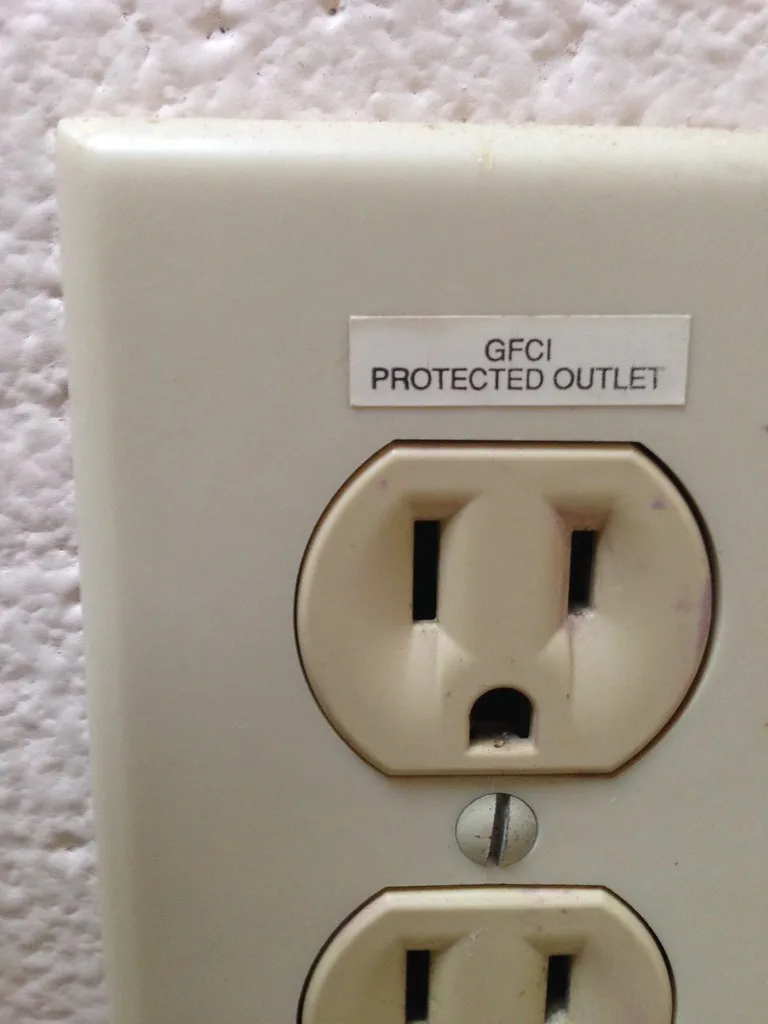
Image source: Openverse / dankeck
Unplug the pump cord from the GFCI receptacle once voltage is verified absent. Do not pull the cord by the wire itself as this damages internal connections. Grip the plug body firmly and wiggle it straight out to avoid breaking aged plastic.
Inspect the cord jacket for cracks or exposed conductors before proceeding further.
Locate the check valve on the vertical discharge pipe above the pump. Loosen the rubber union coupling or threaded connection using channel lock pliers. Expect residual water to drain back into the pit when the seal breaks.
Have a wet vacuum ready to manage this sudden influx immediately.
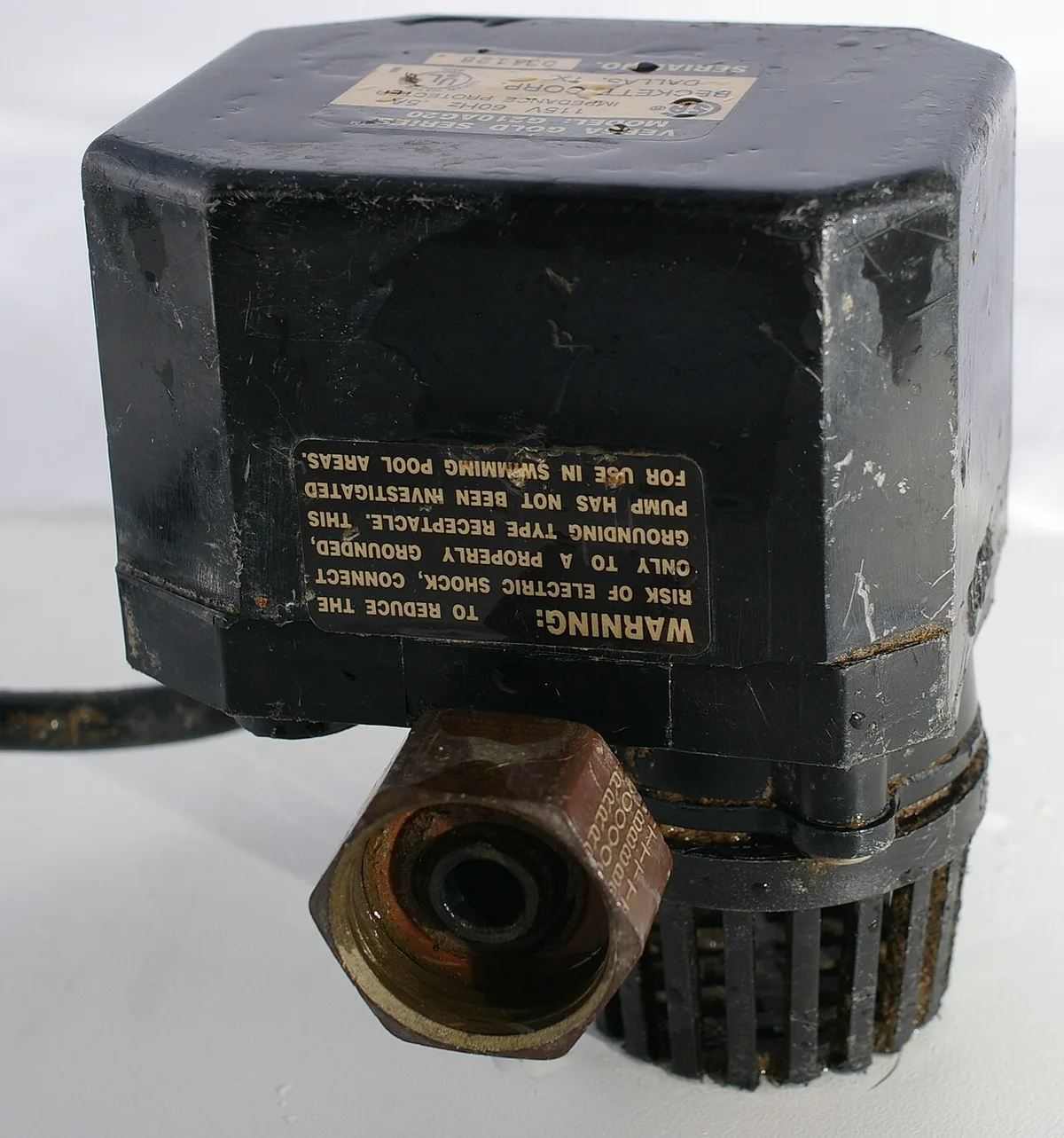
Image source: Wikimedia Commons / Hustvedt (CC BY-SA)
Lift the pump straight up out of the basin without tilting or dragging. Submersible units weigh significantly more than they appear due to water trapped inside the housing. Set the old unit on a dry surface away from standing water.
Clean the pit floor of sediment and debris while access is unobstructed.
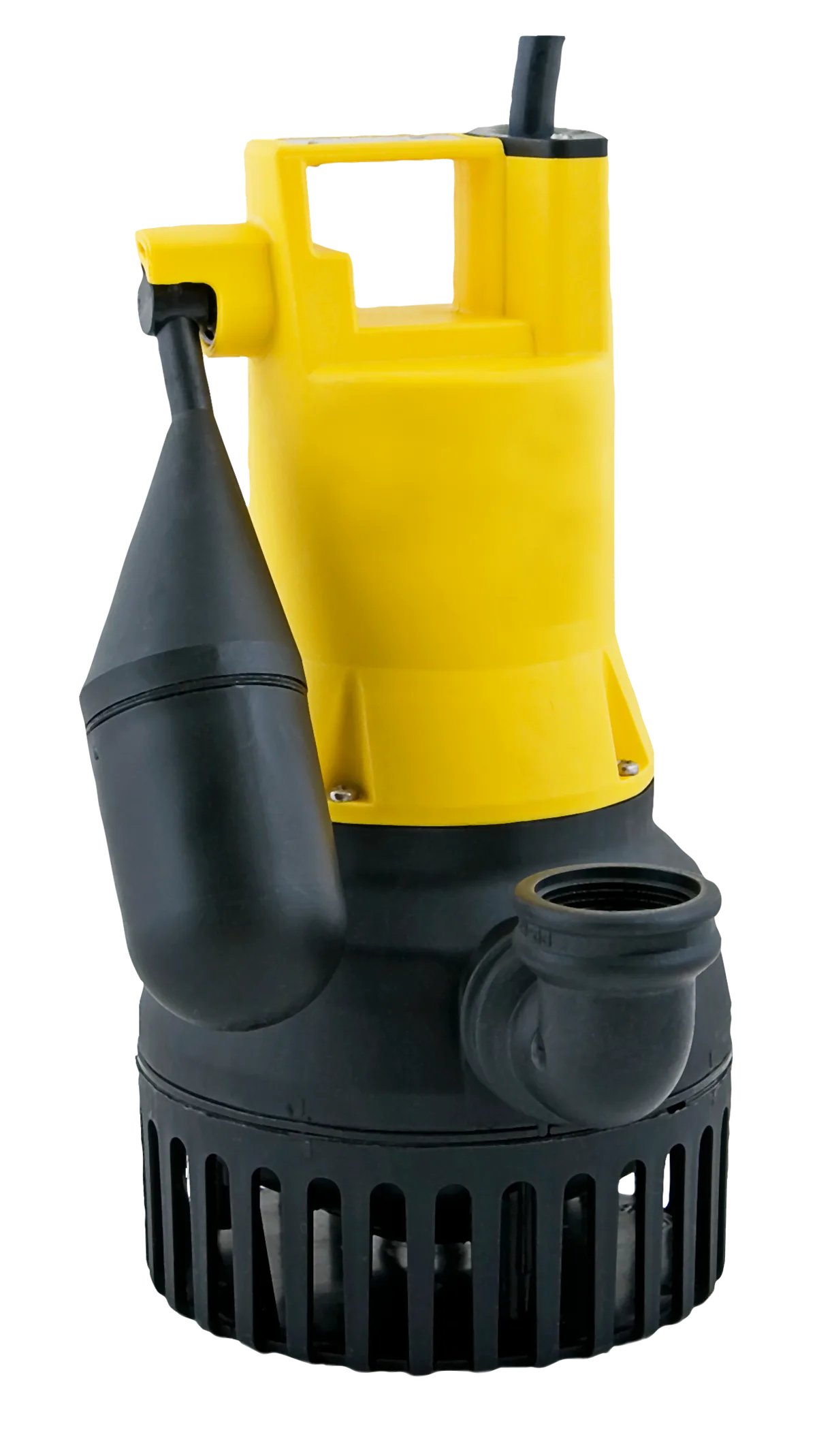
Image source: Wikimedia Commons / PumpExpert (CC BY-SA)
| Step | Tool Required | Safety Check |
|---|---|---|
| Kill Power | Circuit Breaker | Lockout Tag Applied |
| Verify Zero Voltage | Multimeter | Tests Both Hot/Neutral |
| Unplug Cord | Hands Only | Visual Cord Inspection |
| Disconnect Pipe | Channel Locks | Bucket for Backflow |
| Extract Unit | Lifting Strap | Dry Footing Confirmed |
Proper cleanup prevents future clogs and extends the life of your replacement unit. Removing accumulated gravel and silt reduces strain on the new impeller assembly. This is also the ideal moment to inspect the pit liner for cracks or deterioration.
Addressing structural issues now avoids emergency repairs during heavy rain seasons.
Critical Mistakes That Cause Injury or Flooding During Removal
Assuming the outlet is dead because the pump stopped running is a potentially fatal error. Internal motor failures can leave live wires submerged even when the unit is silent. Always treat every conductor as energized until proven otherwise with testing equipment.
Trusting assumptions over verification accounts for most electrical injuries in basement maintenance.
Yanking the power cord to disconnect it frequently tears the waterproof seal at the motor housing. This damage may not be visible but allows water intrusion into electrical windings. Compromised seals create shock hazards that manifest only after the new pump is installed and running.
Always disconnect at the plug or junction box instead of pulling wires.
Ignoring the check valve orientation during disassembly causes immediate backflow flooding. Installing the replacement backwards renders the system useless against rising groundwater. Mark the flow direction arrow on the pipe before removing the old valve.
Taking a reference photo takes seconds and prevents costly rework later.
Working barefoot or in soaked shoes eliminates your body's natural resistance to current. Rubber-soled boots provide critical insulation against ground faults through damp concrete. Wet clothing similarly reduces skin resistance and increases burn severity during accidental contact.
Personal protective equipment is not optional when combining water and electricity.
Failing to support the discharge pipe weight during pump extraction stresses glued joints. PVC cement bonds can crack under lateral loads, creating leaks behind finished walls. Support the vertical pipe independently while lifting the heavy pump assembly.
This simple precaution prevents hidden water damage that surfaces months later.
Frequently Asked Questions About Safe Sump Pump Removal
Can I just unplug the pump without turning off the breaker?
No, unplugging under load can arc and damage the receptacle contacts permanently. More importantly, a damaged cord could expose live wires during the pulling motion. Always kill power at the panel first to eliminate arcing risks entirely.
The extra thirty seconds prevents both equipment damage and personal injury.
What if my sump pump outlet is not GFCI protected?
Operating a sump pump without GFCI protection violates current electrical safety codes. Install a GFCI receptacle or breaker before attempting any removal or replacement work. Temporary use of an extension cord from a protected circuit is safer than risking shock.
Upgrade the permanent wiring as soon as possible to ensure ongoing safety.
How do I handle a stuck check valve during removal?
Apply penetrating oil to corroded threads and wait fifteen minutes before retrying. Avoid excessive force that could crack brittle PVC fittings in cold basements. Cut the pipe above the valve if it refuses to budge after reasonable effort.
Replacing a section of pipe is cheaper and safer than repairing a shattered fitting.
Should I drain the pit completely before removing the pump?
Partial drainage helps reduce weight but complete dewatering is rarely necessary. Leaving some water stabilizes the pit liner against soil pressure shifts. Use a wet vacuum to lower levels just below the pump intake.
This balance maintains structural integrity while making extraction manageable for one person.