
Finding black slime in your sump pump pit usually signals biological growth or sewage contamination. You need to identify the source before attempting any cleanup or repair work. Ignoring this buildup risks pump failure and potential health hazards in your basement environment.
OSHA confined space standards classify sump pits as permit-required spaces due to toxic gas risks. Proper diagnosis requires systematic testing rather than guesswork to avoid dangerous exposure. Let’s walk through the safe identification process so you can fix the root cause.
why is there black slime in my sump pump pit
Black slime forms from iron bacteria, sewage backup, or mold growth. Iron bacteria create gelatinous biofilm in groundwater. Sewage introduces pathogens and dark organic sludge.
Mold develops on damp pit walls above waterlines. Each cause requires different remediation steps.
Safety First: Confined Space and Biological Hazards in Sump Pits
Never enter a sump pit without proper safety precautions and protective equipment. These enclosed spaces accumulate hazardous gases like hydrogen sulfide and methane that can cause unconsciousness within seconds. The CDC warns that even brief exposure to high concentrations poses serious respiratory risks.
Critical PPE and Ventilation Requirements
You must wear an N95 or P100 respirator rated for biological particles and gases. Nitrile gloves prevent skin contact with pathogens and chemical cleaners. Safety goggles protect against splashes during inspection and cleaning tasks.
Run a ventilation fan near the pit opening for at least fifteen minutes before approaching. This displaces accumulated gases and reduces airborne contaminant levels. Never lean directly over an unventilated pit opening.
Keep electrical power disconnected at the breaker panel before touching any components. Water and electricity create lethal shock hazards in confined spaces. Lock out the circuit to prevent accidental reactivation while working.
When to Stop and Call a Professional
Strong sewage odors indicate active wastewater infiltration requiring licensed plumber intervention. You should not attempt DIY cleanup if raw sewage is present. Professional remediation teams have industrial extraction equipment and proper disposal protocols.
Persistent dizziness, nausea, or headaches signal dangerous gas exposure levels. Evacuate immediately and seek fresh air if symptoms develop. Do not return until atmospheric testing confirms safe conditions.
Visible petroleum sheens suggest fuel tank leaks or underground contamination. Environmental agencies require specialized handling for hydrocarbon spills. Report these findings to your local environmental protection department promptly.
The 3-Step Diagnostic Test: Identifying Your Slime Type
Accurate identification prevents wasted effort on ineffective treatments and unnecessary repairs. Each slime type has distinct sensory characteristics that reveal its origin. Follow this sequential testing protocol to narrow down the cause safely.
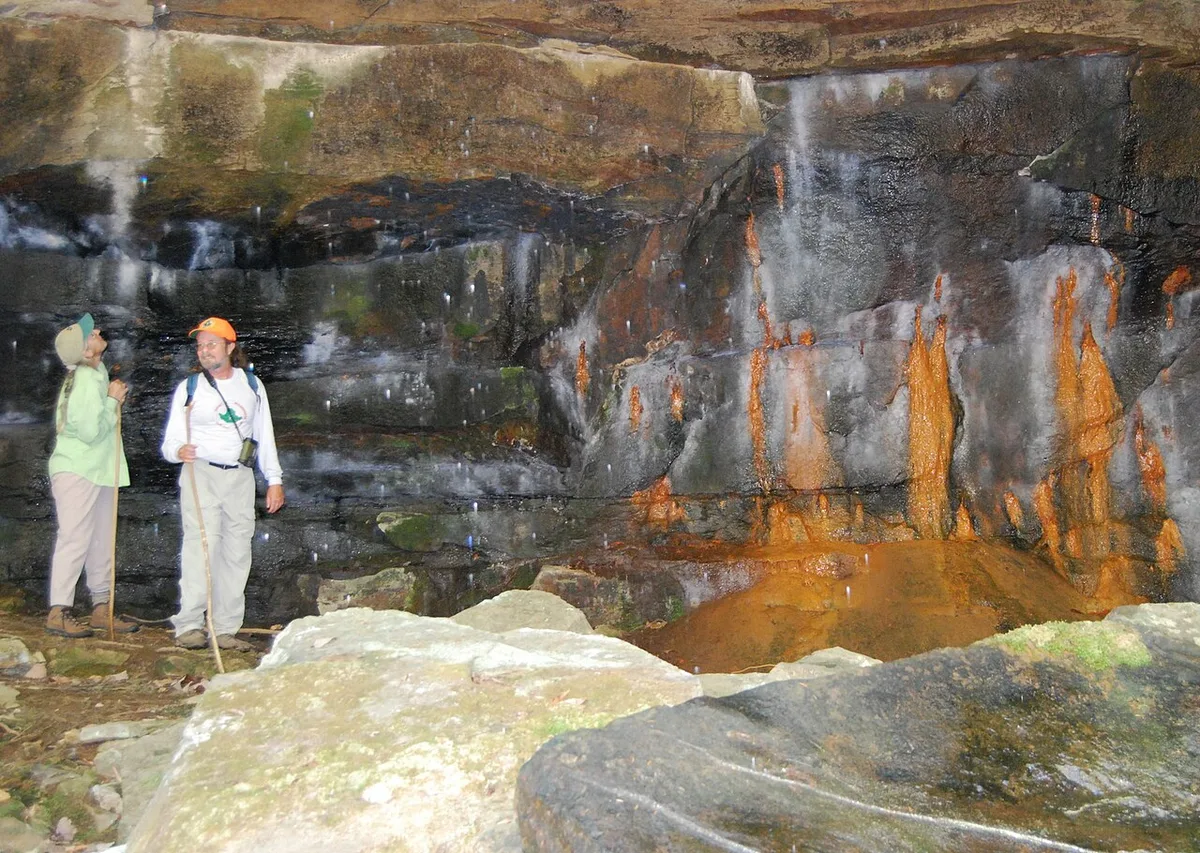
Image source: Wikimedia Commons / Ke4rop Mike Henshaw
Step 1: The Smell Test (Sulfur vs. Sewage vs. Earthy)
Waft air toward your nose from arm's length instead of inhaling directly. Rotten egg or sulfur odors point to sulfate-reducing bacteria or anaerobic decomposition. This commonly occurs in stagnant groundwater with low oxygen levels.
Raw sewage smells are unmistakable and indicate sanitary line failures. Musty or earthy scents typically signal mold or fungal growth on damp surfaces. Metallic or chemical odors may suggest industrial contamination or mineral reactions.
Step 2: Texture and Adhesion Check
Use a disposable stick or gloved hand to probe the material carefully. Iron bacteria produce thick, gelatinous strands that stretch like mucus. This biofilm clings tightly to pipes, pit walls, and pump housings.
Sewage sludge feels gritty and contains visible solid particles. It settles at the bottom rather than coating vertical surfaces. Mold appears fuzzy or powdery and grows above the waterline on moist concrete or plastic.
Step 3: Water Source and Color Verification
Trace inlet pipes to determine whether water enters from foundation drains or plumbing lines. Groundwater infiltration through weeping tiles suggests iron bacteria or mineral deposits. Sanitary pipe connections indicate potential sewage cross-contamination.
Jet black coloration often means organic decay or sewage. Dark brown with orange tints signals iron oxidation. Gray or greenish hues typically indicate mold species.
Document these observations before proceeding to treatment decisions.
Decision Matrix: Matching Symptoms to Causes and Fixes
Your diagnostic results determine which remediation path will actually solve the problem. Misdiagnosis leads to recurring issues and wasted money on wrong treatments. Use this comparison table to match your specific symptom combination to the correct cause.
| Symptom Combination | Likely Cause | Primary Fix |
|---|---|---|
| Gelatinous texture + sulfur smell + orange tint | Iron Bacteria | Shock chlorination + filtration |
| Gritty texture + sewage odor + black color | Sewage Backup | Plumber inspection + backflow prevention |
| Fuzzy texture + musty smell + above waterline | Mold Growth | Dehumidification + antimicrobial treatment |
| Chemical odor + rainbow sheen + slick feel | Petroleum Leak | Environmental agency report + soil testing |
Iron Bacteria vs. Sewage Backup vs. Mold
Iron bacteria thrive in iron-rich groundwater and create nuisance biofilms but pose minimal health risk. Treatment focuses on oxidation and mechanical removal rather than disinfection alone. Regular maintenance prevents rapid regrowth in susceptible aquifers.
Sewage backups demand immediate professional attention due to pathogen exposure risks. Homeowners should never handle raw sewage without proper training and equipment. Backflow preventers and check valve replacements address the mechanical failure causing intrusion.
Mold indicates chronic moisture problems beyond just the pit itself. Cleaning the pit without addressing humidity ensures quick recurrence. Whole-basement dehumidification and vapor barrier installation treat the underlying condition effectively.
Targeted Remediation Protocols for Each Cause
For iron bacteria, flush the system with diluted household bleach at manufacturer-specified ratios. Allow twenty-four hours contact time before restarting the pump. Install sediment filters on discharge lines to capture oxidized particles.
Sewage contamination requires complete pit evacuation by licensed professionals. Disinfect all contacted surfaces with EPA-registered antimicrobials afterward. Test water quality before considering the space safe for routine access again.
Mold remediation starts with reducing relative humidity below fifty percent. Scrub affected surfaces with detergent solution rather than bleach on porous materials. Apply mold-resistant coatings after thorough drying to discourage future colonization.
Common Misdiagnoses That Waste Time and Money
Treating iron bacteria as sewage leads to unnecessary plumbing expenses and false security. Conversely, assuming sewage is just minerals delays critical health interventions. Always verify with multiple diagnostic indicators before committing to expensive repairs.
Overlooking upstream sources causes endless recurrences despite thorough pit cleaning. Foundation drainage issues or failing sewer laterals feed continuous contamination. Comprehensive system evaluation prevents treating symptoms while ignoring root causes.
Skipping safety protocols during diagnosis risks acute injury or long-term illness. No amount of saved time justifies exposure to toxic atmospheres. Professional assessment costs far less than emergency medical treatment or environmental fines.
Frequently Asked Questions About Black Sump Pit Slime
Can I use vinegar instead of bleach for iron bacteria?
Vinegar lacks sufficient oxidizing power to eliminate established iron bacteria biofilms. Chlorine or hydrogen peroxide treatments provide reliable kill rates per EPA guidelines. Acidic solutions may actually accelerate corrosion of metal pump components over time.
How often should I clean my sump pit?
Annual inspection and cleaning prevent most biological buildup problems. High-iron areas may require quarterly maintenance depending on accumulation rates. Monitor float switch operation monthly to catch early clogging before pump failure occurs.
Is black slime always dangerous to touch?
Not all black slime poses immediate health threats, but assume contamination until proven otherwise. Iron bacteria biofilms are generally harmless but unpleasant. Sewage and certain molds carry serious infection risks requiring protective equipment regardless of appearance.
Will a new sump pump stop the slime from returning?
Pump replacement addresses mechanical failures but not biological or chemical causes. Slime returns unless you treat the underlying water quality or contamination source. Combine equipment upgrades with appropriate water treatment for lasting results.