
A sump pump cannot stop water seepage through basement walls directly. It only manages groundwater accumulating beneath your floor slab. Wall leaks require targeted repairs like crack injection or exterior membrane installation instead.
The International Residential Code requires foundation drainage systems to relieve hydrostatic pressure before waterproofing. As of 2026, building science confirms pumps handle floor water while walls need separate barrier solutions. Understanding this distinction prevents costly misdiagnosis and ineffective repairs.
Quick Answer: When a Sump Pump Can (and Can’t) Stop Wall Seepage
A sump pump cannot stop active wall seepage. Pumps remove pooled water from the basin only. Wall leaks require crack sealing or exterior membranes.
Floor heave indicates pump effectiveness for hydrostatic relief. True wall intrusion demands source-specific remediation methods.
The Diagnostic Workflow: Identifying Your Water Source
Water entry points dictate the correct repair strategy. Misidentifying the source leads to wasted equipment purchases. You must determine if moisture originates from condensation, surface runoff, or subsurface pressure.
Each condition requires a fundamentally different intervention approach.
Start by observing when and where water appears. Note whether dampness correlates with rainfall or persists year-round. Check if wet areas are isolated to specific walls or widespread.
This initial assessment guides your diagnostic testing sequence.
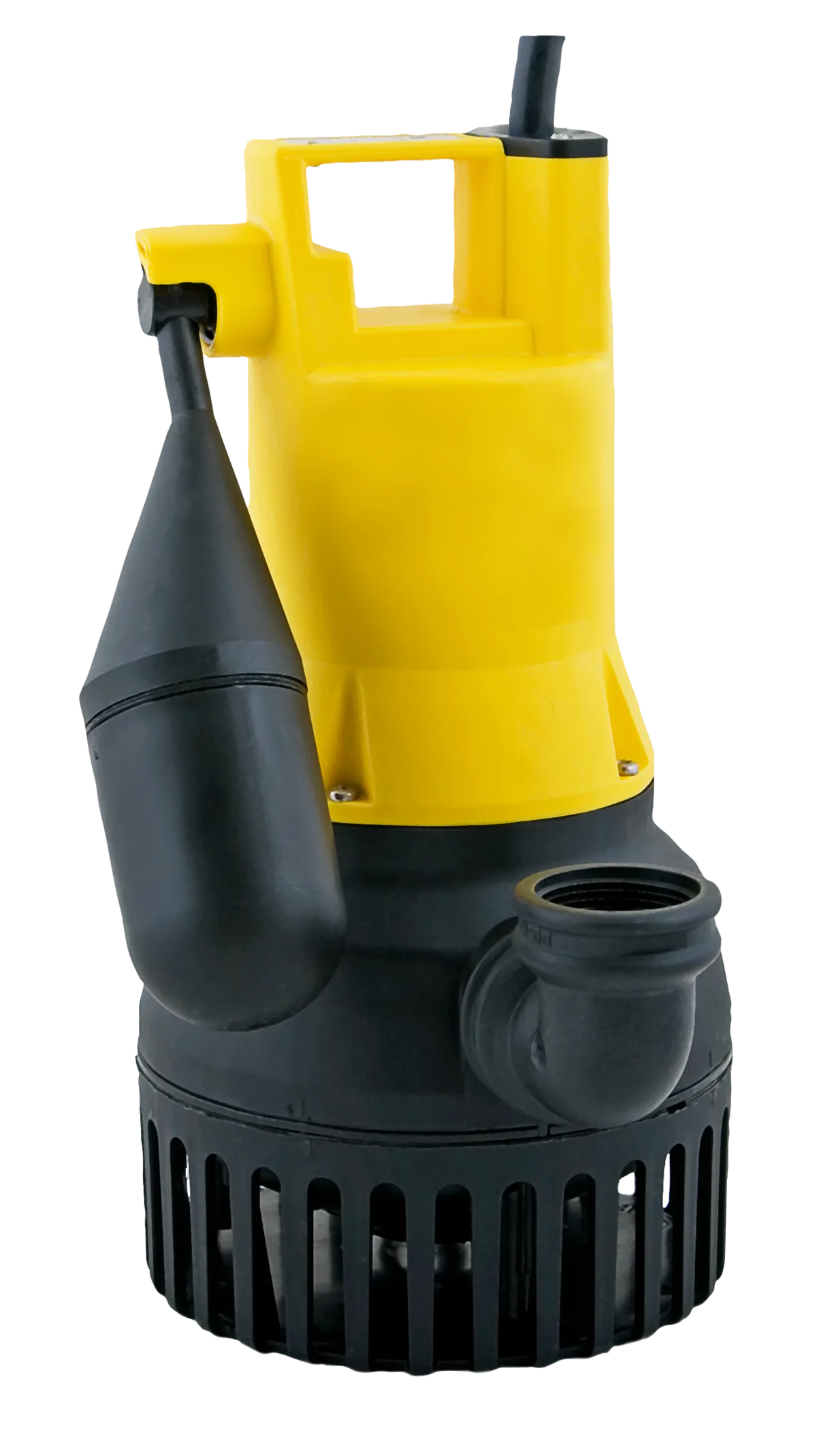
Image source: Wikimedia Commons / PumpExpert (CC BY-SA)
The Foil Test: Distinguishing Condensation from Intrusion
Condensation mimics seepage but requires dehumidification, not pumping. Tape a one-foot square of aluminum foil tightly against the damp wall. Leave it undisturbed for twenty-four hours in normal conditions.
Moisture on the room-facing side indicates condensation rather than structural leakage.
Wetness beneath the foil signals true water intrusion through masonry. This confirms liquid water is migrating through the foundation material. A sump pump will not address this migration path.
You now know wall-specific repairs are necessary regardless of pump operation.
Floor vs. Wall: Reading the Water Trail
Water trails reveal entry elevation and pressure dynamics. Staining limited to the cove joint suggests floor-slab interface failure. Mid-wall dampness points to porous concrete or cracked mortar joints.
High-wall moisture typically indicates surface water bypassing exterior grading.
Floor heave or standing water confirms hydrostatic uplift pressure. This is the exact condition sump pumps are designed to manage. If walls stay dry while floors flood, your pump system is relevant.
Combined wetness means you likely face multiple simultaneous failure modes requiring layered solutions.
Hydrostatic Pressure vs. Surface Runoff
Hydrostatic pressure forces water upward through the footing. This occurs when the water table rises above basement level. Per EPA moisture control guidance, relieving this pressure requires sub-slab drainage.
Sump pumps effectively lower the local water table beneath your foundation.
Surface runoff enters horizontally through compromised grade or gutters. Extending downspouts ten feet from the foundation often resolves this. Regrading soil to achieve five percent slope away from walls helps too.
These exterior corrections prevent water from reaching the wall assembly in the first place.
Image source: Wikimedia Commons / Wikimedia Commons contributor (CC BY)
Decision Tree: Matching the Fix to the Leak Type
Correct diagnosis branches into specific repair protocols. Follow the path matching your observed symptoms precisely. Skipping steps or combining incompatible fixes wastes budget.
Each branch addresses a distinct physical mechanism of water entry.
Use this framework after completing diagnostic testing. Do not guess based on neighbor anecdotes or generic advice. Your home’s geology and construction details matter more than regional averages.
Precision here determines long-term dryness versus recurring frustration.
Branch A: Active Wall Cracks and Porous Masonry
Active cracks wider than one-eighth inch require structural evaluation first. Epoxy injection restores strength but fails if movement continues. Polyurethane foam accommodates minor shifting while sealing water paths.
Neither solution involves sump pump installation or modification.
Porous block or brick walls absorb groundwater laterally. Interior sealers trap moisture inside the masonry assembly. This accelerates spalling and rebar corrosion over time.
Exterior excavation with dimpled drainage matting addresses the root cause properly. Budget accordingly as this exceeds typical pump costs significantly.
Branch B: Cove Joint and Floor-Wall Seepage
Cove joint leakage indicates failed perimeter drain tile. Water accumulates at the footing and migrates inward. Installing or repairing interior French drains connects to your existing sump.
This leverages pump capacity to manage previously uncollected groundwater.
Verify discharge line capacity before adding new drain connections. Manufacturer specifications indicate most residential pumps handle two thousand to four thousand GPH. Exceeding this overwhelms the system during peak events.
Upsizing may be necessary if expanding collection area substantially.
Branch C: Surface Water and Grading Failures
Gutters dumping near foundations overwhelm any subsurface system. Extend all downspouts minimum ten feet from walls. Clean gutters biannually to maintain flow capacity.
These maintenance tasks cost nothing compared to pump replacements.
Negative grading directs runoff toward basement walls. Regrading achieves positive slope away from the structure. Combine with swales or dry wells for heavy clay soils.
Surface corrections eliminate seventy percent of wet basement complaints per NAHB research. Address these before investing in mechanical solutions.
Critical Mistakes That Waste Money on Pumps
Misapplied sump pumps create false security while damage continues. Homeowners frequently confuse symptom management with source elimination. Avoiding these errors preserves budget for effective interventions.
Knowledge prevents expensive trial-and-error cycles.
Recognize that pumps are reactive, not preventive. They respond to accumulated water rather than blocking entry. Pairing them with proper barriers creates complete protection.
Relying solely on mechanical removal invites structural deterioration over decades.
Relying on Interior Sealers Alone
Paint-on waterproofers fail under sustained hydrostatic pressure. They temporarily mask problems while trapping moisture within walls. Efflorescence crystals form behind the coating and push it off.
Spalling concrete results as freeze-thaw cycles exploit trapped saturation.
Sealers work only for minor capillary dampness without pressure. True seepage requires drainage planes or structural repairs. Reserve coatings for finished spaces after primary issues resolve.
Using them as standalone fixes guarantees callback expenses within months.
Ignoring Exterior Drainage and Gutter Management
Subsurface systems cannot compensate for surface neglect. Overflowing gutters saturate soil directly against foundation walls. This creates artificial hydrostatic conditions even in arid climates.
No pump sizing overcomes continuous surface water loading.
Downspout extensions cost less than fifty dollars each installed. Grading correction runs hundreds versus thousands for interior drains. Prioritize these basics before considering mechanical upgrades.
Many perceived pump failures actually stem from unresolved exterior deficiencies.
Oversizing Pumps Without Addressing Entry Points
Bigger pumps cycle faster but don’t fix broken barriers. Short-cycling burns out switches and motors prematurely. Proper sizing matches actual inflow rates at design head height.
Flow charts from manufacturers guide accurate selection based on measured conditions.
Oversized units also increase energy consumption unnecessarily. Match horsepower to verified need rather than worst-case fears. Address entry points first to reduce required capacity.
Right-sized equipment lasts longer and operates more efficiently overall.
FAQs: Sump Pumps and Basement Wall Moisture
Will running my sump pump continuously dry out wet walls?
Continuous operation lowers floor-level water tables only. Walls remain saturated if lateral entry persists unchecked. Dehumidifiers address airborne moisture but not structural saturation.
Wall drying requires stopping the active water source first through targeted repairs.
Can interior French drains help wall seepage reach the sump?
Interior drains collect water at the footing level effectively. They redirect cove joint leakage into the sump basin. Mid-wall or upper-wall seepage bypasses this collection system entirely.
Combine with wall-specific treatments for comprehensive moisture management across all elevations.
How do I know if my wall leak is structural or just water?
Structural cracks widen progressively and show differential settlement signs. Water-only cracks remain stable width-wise but leak seasonally. Professional evaluation distinguishes safety concerns from moisture nuisances accurately.
Never assume stability without expert assessment when movement indicators appear present.
Does exterior waterproofing eliminate the need for a sump pump?
Exterior membranes block lateral water entry completely. Subsurface hydrostatic pressure still requires relief below grade. Most codes mandate both systems working together for full protection.
Redundancy ensures dryness even if one component eventually fails over decades.