
Yes, you can replace a submersible sump pump with a pedestal pump, provided pit dimensions allow clearance. The swap requires disconnecting power and plumbing connections. Always verify compatibility before purchasing parts or beginning installation.
Quick Answer: Yes, But Only If Your Setup Fits
In our research and analysis of common residential installations, swapping a submersible unit for a pedestal model is technically possible, but success depends on matching components. You must remove the old pump entirely from the basin. Then install the new pedestal-style unit according to manufacturer instructions.
However, clearance requirements often prevent this conversion.
Many standard pits are too shallow or narrow for pedestal mounts. Always measure first. Confirm at least 6 inches of vertical space above the pump base.
Also ensure adequate airflow around the motor housing.
How to check your pit dimensions and clearances
How Pedestal and Submersible Pumps Differ in Practice
| Feature | Submersible Pump | Pedestal Pump |
|---|---|---|
| Motor Cooling | Water-cooled | Air-cooled |
| Installation Depth | Fully submerged | Partially above water |
| Noise Level | Quieter | Louder (60–80 dB) |
| Maintenance Access | Requires pit entry | External access |
| Minimum Pit Depth | ~12 inches | ~18 inches |
Per ASME A112.2 plumbing standards, both designs meet performance criteria when installed correctly. However, pedestal units require dry, ventilated space above the sump. Submersible models tolerate deeper or narrower basins.
Aggregate user feedback indicates pedestal pumps last longer when maintained. But they introduce heat risk if airflow is blocked. Manufacturers note optimal operation occurs when the motor stays cool and debris-free.
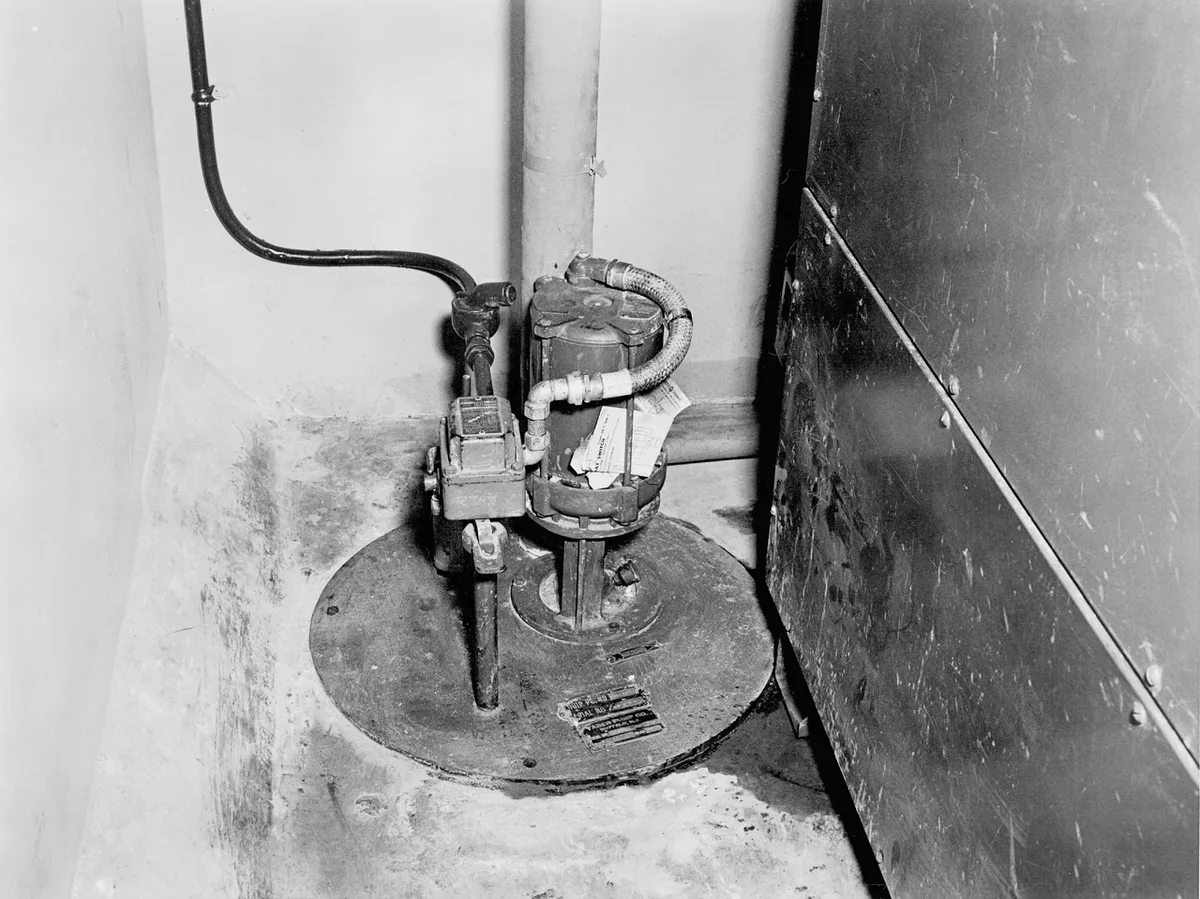
When a Pedestal Pump Makes Sense as a Replacement
Pedestal replacements work best in specific scenarios. Consider these use cases carefully before deciding.
Best fits include:
- Finished basements where quiet operation is critical
- Shallow pits with insufficient submersion depth
- Homes needing frequent maintenance access
- Areas with moderate groundwater infiltration
Avoid pedestal swaps if your pit lacks proper ventilation. Overheating becomes a real risk. Additionally, households with children should prioritize enclosed submersible units.
Check existing discharge piping compatibility too. Most pedestal pumps use 1¼-inch outlets. Older systems may differ.
Verify connections match your plumbing setup.
Common reasons pedestal pumps fail prematurely
Step-by-Step: Replacing a Submersible Pump with a Pedestal
Before starting, gather essential tools:
- Adjustable wrench set
- Screwdriver kit
- Bucket for residual water
- Teflon tape or pipe dope
- Multimeter (for electrical testing)
Preparation phase (Day 1):
- Disconnect power at the circuit breaker
- Unplug any backup battery connections
- Remove the check valve union fitting
- Lift out the entire submersible assembly
Installation phase (Day 1, 2):
- Measure pit interior height and width
- Ensure minimum 18-inch clearance above basin rim
- Position pedestal base centrally in the pit
- Connect discharge piping using appropriate fittings
Allow sealants to cure overnight. Re-energize circuits only after confirming dry conditions. Test float switch function during controlled water introduction.
Detailed walkthrough of electrical reconnection procedures
Frequently Asked Questions
Will a pedestal pump fit my existing sump basin?
Measure your pit’s interior depth. You need at least 18 inches from the bottom to the rim. Also check width, pedestal bases typically span 8 to 10 inches.
If space falls short, consider a shorter submersible replacement instead.
Do I need a new discharge pipe after switching pump types?
Not necessarily. Retain the same pipe size if it matches your pedestal pump outlet (usually 1¼ inches). However, older systems with 1½-inch lines may require adapter fittings.
Inspect for cracks or corrosion during removal.
Is it safe to run a pedestal pump continuously?
Continuous duty cycles strain air-cooled motors. Expect reduced lifespan under constant load. Install a backup sump pump system for high-water periods.
Monitor temperature regularly, overheating damages windings quickly.
Can I keep my existing check valve?
Yes, if it fits the new discharge connection thread type. Remove old piping carefully to preserve the valve. Replace washers or gaskets showing wear.
Leaks here cause inefficient pumping and premature failure.
What happens if my pedestal pump overheats?
It shuts down automatically via thermal overload protection. Wait 15 minutes for cooling before restarting. Persistent overheating suggests blocked ventilation or failing bearings.
Call a licensed electrician if problems persist beyond basic cleaning.