
When your sump pump kicks on every few minutes, you'll notice constant noise and higher electric bills. Left unchecked, that short cycling leads to motor burnout.
This isn't just annoying; it can leave your basement flooded during a storm. In our research, homeowners report pump failure within weeks of persistent short cycling.
Why Frequent Sump Pump Cycling Damages Your System
A sump pump designed for intermittent duty faces serious stress when it runs constantly. Most residential pumps tolerate 10 to 15 cycles per hour. Exceeding that threshold accelerates wear across every major component.
The motor overheats with each rapid start. That spike draws high amperage, straining your electrical system. Over time, thermal stress degrades internal windings until they short out completely.
Common Causes of Excessive Pump Operation
Several conditions trigger continuous cycling. A failed check valve lets water fall back into the pit, forcing the pump to restart immediately. Debris or a stuck float switch keeps the pump running even after water levels drop.
Clay soil holds water longer than sandy soil. Homes in these areas often experience frequent pump activation during and after rain.
Blocked discharge pipes create backpressure that prevents proper water flow. The pump works harder, cycling more often. A frozen discharge line in winter makes this worse, as ice blocks the outlet entirely.
Improper pit sizing causes short cycling. If your basin is too small, water level changes trigger the float switch repeatedly. A properly sized pit should hold enough water to allow several minutes between cycles.
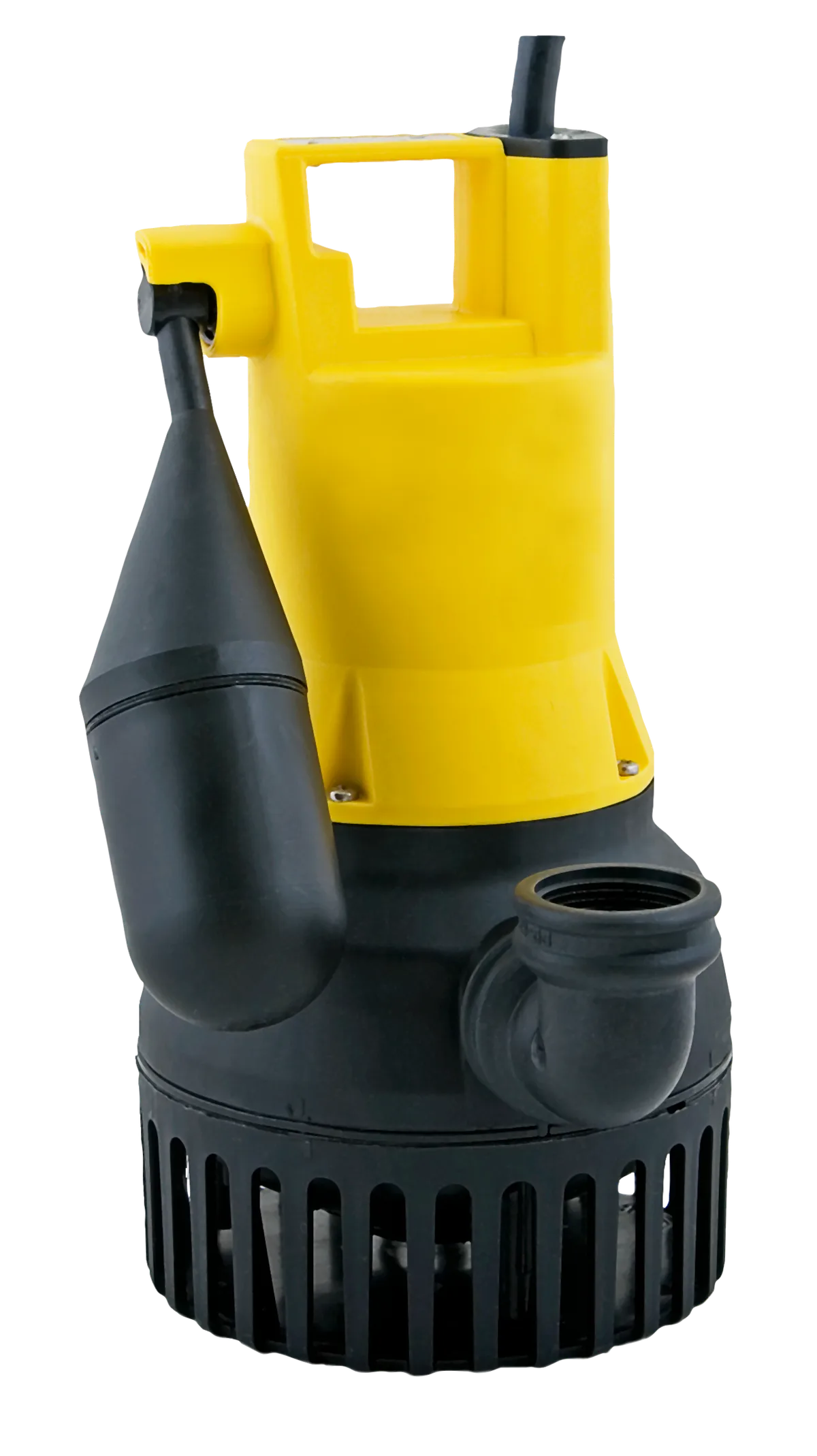
What Happens When Your Sump Pump Runs Too Often
When a sump pump cycles too frequently, three major systems degrade rapidly. The motor, check valve, and float switch all face accelerated wear that leads to premature failure.
First, the motor burns out. Each start draws 3 to 5 times the normal running current. After 500 to 1000 extra cycles, insulation breaks down.
Replacement costs $300 to $1,500 depending on the model.
Second, the check valve fails. Water hammer from rapid cycling loosens internal components. A broken check valve lets water flow backward, extending each run cycle and wasting energy.
Third, the float switch wears out. Constant movement wears the pivot point thin. Once it sticks or fails to trigger, your basement floods.
How to Diagnose and Fix Short Cycling Issues
Start by observing your pump's behavior for one full day. Count how many cycles occur during dry conditions and after storms. Normal operation means 2 to 4 cycles per hour during wet periods.
Test the check valve by lifting the pump's discharge hose briefly. If water rushes back into the pit, the valve needs replacing. This $20 to $50 part installs in under 15 minutes on most models.
Inspect the float switch for debris or mineral buildup. Wipe it clean with a damp cloth. Make sure nothing blocks its free movement.
A stuck switch mimics continuous operation and wastes energy.
Check your discharge pipe for kinks, blockages, or freezing. Ensure it directs water at least 10 feet from your foundation. Improper drainage causes water to collect back near the footing.
Verify basin size and float switch placement. The pipe should activate the switch when water reaches 2 to 4 inches below the lid. If it triggers too early or late, adjust the pivot height.
When to Call a Professional vs. DIY Fixes
Replace your sump pump every 3 to 5 years as preventive maintenance. For urgent cases, same-day service costs $400 to $800. Consider a licensed plumber for major repairs or electrical work.
Frequently Asked Questions
Can a sump pump run continuously?
Most residential sump pumps cannot run continuously. They're rated for intermittent duty, typically 10 to 15 cycles per hour. Continuous operation overheats the motor and shortens lifespan to months instead of years.
How do I stop my sump pump from short cycling?
First, test the check valve by briefly lifting the discharge hose. If water flows back into the pit, replace the valve. Clean debris from the float switch and ensure nothing blocks its movement.
What does a bad check valve sound like?
A failing check valve creates a loud bang or gurgle when the pump stops. You'll hear water rushing back into the pit immediately after shutdown. This backflow indicates the valve isn't sealing properly.
How often should a sump pump cycle?
Normal sump pump operation involves 2 to 4 cycles per hour during wet conditions. During dry periods, expect 0 to 1 cycle per hour. More frequent activation signals a problem requiring immediate attention.
Will a sump pump burn out from running too much?
Yes, frequent operation causes premature motor burnout. Each start draws excessive current that overheats internal windings. Without adequate cooling time, insulation degrades and the motor fails within weeks.