
how to improve sump pump performance during heavy rain comes down to one thing: keeping your system clear, powered, and draining far enough away from your foundation.
A sump pump moves water out of your basement or crawl space through a discharge pipe, typically handling 10 to 40 gallons per minute depending on horsepower and head pressure. During heavy rain, even a well-maintained unit can struggle if debris blocks intake or the discharge line backs up.
how to improve sump pump performance during heavy rain
Clean the sump pit and intake screen before each storm season. Test the float switch by lifting it manually to ensure the pump starts and stops properly. Check that the discharge pipe extends at least 10 feet from your foundation and slopes downward.
Plug your pump into a GFCI-protected outlet or install a battery backup system. Finally, pour water into the pit monthly to verify operation under load.
Quick Fixes Based on Your Specific Situation
Not every heavy rain failure means the same problem. The right fix depends on what’s going wrong with your system. Here’s how to diagnose and respond based on your specific issue:
If your pump runs constantly or won't shut off, the float switch may be stuck or obstructed. Lift the switch arm manually. If the pump continues running, shut off power and check for debris around the pivot point.
A faulty switch needs immediate replacement.
If your pump won't turn on at all, inspect the GFCI outlet first. Many outdoor or basement outlets trip during electrical surges. Press the “reset” button.
If that doesn’t work, unplug the unit and test with a voltmeter or another appliance to confirm power flow.
If you're preparing before the next big storm, clean the pit, remove loose debris, and ensure the discharge line isn’t frozen or clogged. Install a check valve if missing. Consider adding a battery backup system rated for at least 4 hours of continuous operation.
If you have recurring problems despite maintenance, your pump may be undersized for the water volume or the discharge pipe too short. Measure your pit depth and typical inflow rate. An undersized unit cycles too frequently, shortening lifespan and reducing effectiveness.
Upgrading to a higher GPM model often solves chronic issues.
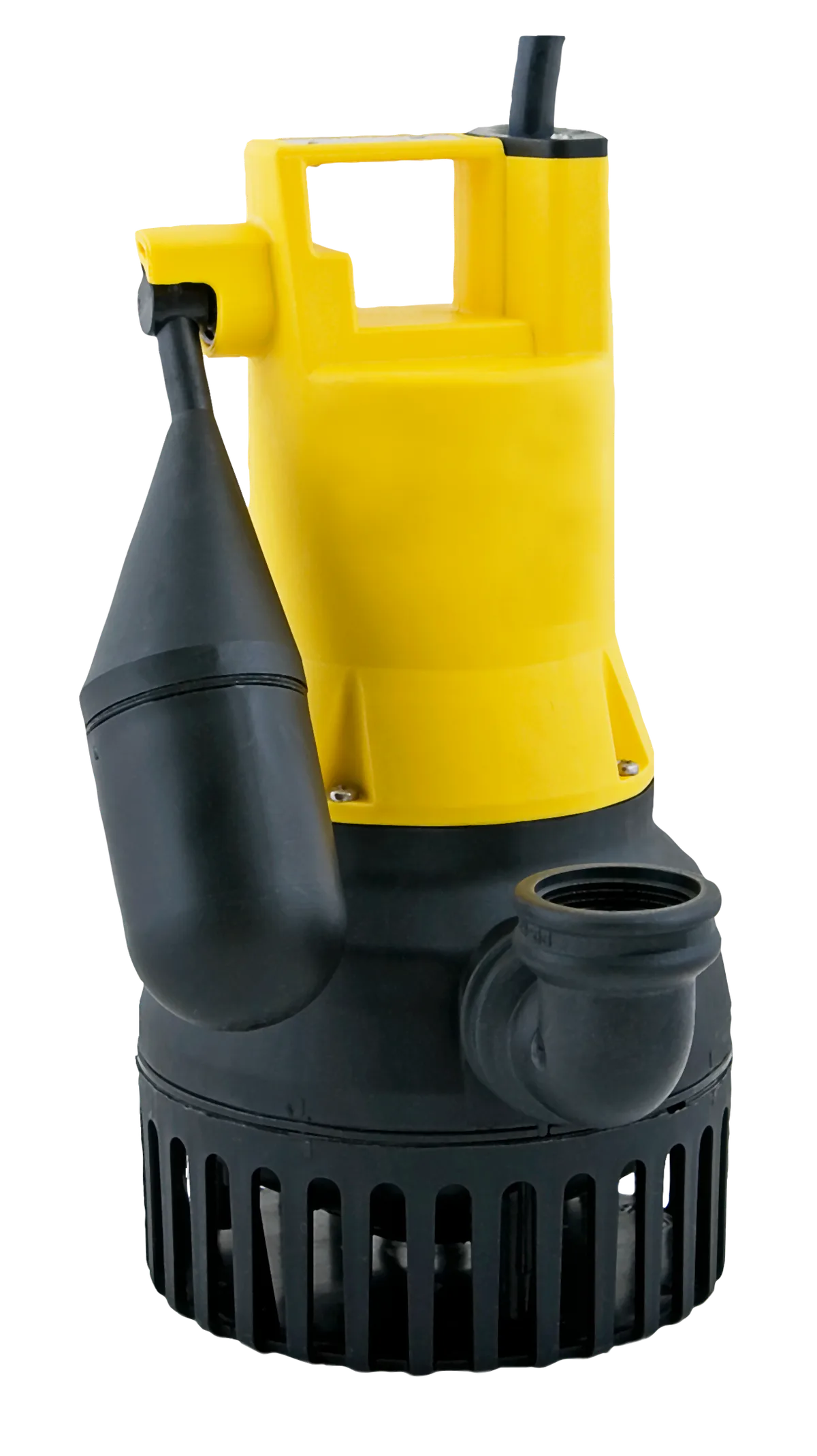
Image source: Wikimedia Commons / PumpExpert (CC BY-SA)
Common Mistakes That Make Heavy Rain Failures Worse
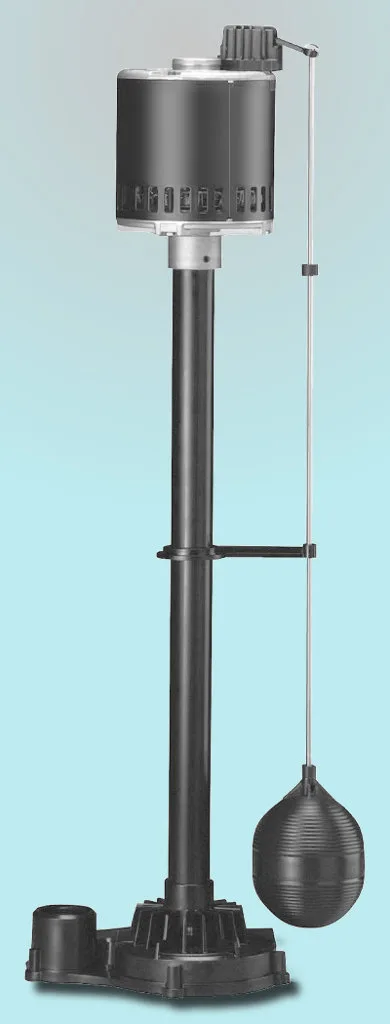
Image source: Wikimedia Commons / Own work (CC BY-SA)
Even homeowners who maintain their pumps regularly unknowingly make choices that doom their systems during storms. These mistakes are preventable but extremely common.
Discharge pipe too short or improperly sloped, Water dumped just a few feet from your foundation gets drawn back in, especially if the soil is saturated. The pipe should extend at least 10 feet away and slope downward consistently.
Neglecting the float switch, Debris, mineral buildup, or age can jam the switch. A stuck float causes constant running or no start, both of which fail during peak demand.
No backup power strategy, Power outages often coincide with severe weather. Without a battery backup, your basement floods the moment the grid goes down.
Installing the wrong size pump, A pump rated for low head pressure won’t handle tall discharge runs or multiple floor drains. Oversizing creates excessive cycling. Proper sizing considers pit volume, expected inflow rate, and vertical lift.
Ignoring seasonal checks, Spring thaw and fall leaves create different challenges. A quick visual inspection each season prevents most failures.
Costs and Key Specs to Know Before You Buy or Upgrade
Understanding basic specifications helps you choose an appropriate replacement or upgrade without overspending. As of 2026, submersible pumps dominate new installations due to quieter operation and better reliability.
| Pump Type | Typical Horsepower | Flow Rate (GPM) | Max Head Pressure | Average Cost |
|---|---|---|---|---|
| Submersible | 1/3 HP – 3/4 HP | 20 – 40 GPM | 15 – 25 ft | $150 – $400 |
| Pedestal | 1/3 HP – 1/2 HP | 15 – 30 GPM | 10 – 20 ft | $100 – $250 |
| Backup (battery) | Automatic | 10 – 20 GPM | 10 – 15 ft | $200 – $600 |
Battery backup systems typically run 4 to 8 hours continuously, depending on usage. For homes in flood zones, combination units offering both primary and backup pumps provide redundant protection. Professional installation averages $800 to $1,500 but includes proper discharge routing and electrical setup that DIY versions often miss.
Frequently Asked Questions
Can I use a sump pump in freezing weather?
Yes, but only if the discharge line stays above freezing. Wrap exposed pipes with foam insulation and route discharge away from walkways where ice buildup is hazardous.
How often should I test my sump pump?
Test monthly by pouring water into the pit until the pump activates. Do a full manual check quarterly, including float switch movement and outlet functionality.
What size backup battery do I need?
Look for systems rated for at least 4 hours of continuous operation at your pump’s maximum draw. Higher amp-hour batteries offer longer runtime during extended outages.
Should I replace my pump every few years?
Not necessarily. Well-maintained pumps last 7 to 10 years. Replace sooner if you notice frequent cycling, strange noises, or reduced flow rate.