
Finding what to do if a sump pump power cord is damaged starts with cutting the electricity immediately. Water and compromised wiring create severe shock risks that demand instant action before any inspection occurs. You must assess whether the damage is superficial jacket wear or internal conductor failure.
This distinction determines if a safe repair is possible or if full replacement is necessary.
The National Electrical Code requires ground fault protection for all basement receptacles as of 2026. Manufacturer specifications indicate most residential pumps draw between 8 and 15 amps on standard 120V circuits. Understanding these baseline safety standards helps you evaluate damage severity accurately.
Let us walk through the exact decision points for your specific situation.
what to do if a sump pump power cord is damaged
Disconnect power at the breaker panel first. Unplug the pump only after confirming zero voltage. Inspect the cord for cuts, burns, or exposed wire.
Replace the entire cord if conductors are damaged. Test the GFCI outlet before restoring power.
How to Tell If Your Damaged Cord Can Be Repaired
Your repair option depends entirely on where the damage sits. Superficial nicks in the outer PVC jacket can sometimes be sealed safely. Any breach exposing copper conductors means the cord is done.
Internal wire damage from heat or crushing also requires total replacement.
Look closely at the plug end and strain relief boot. These high stress points fail most often in our research. Cracks here usually indicate internal connection failures.
Moisture ingress at these joints compromises the entire electrical system. Aggregate reviews report this is where most dangerous shorts originate.
Check the cord length for pinch marks or flat spots. Heavy objects resting on cords crush insulation over time. This damage is often invisible until the pump fails mid storm.
Burn marks or melted plastic anywhere mean immediate disposal. Never attempt to splice a sump pump cord below the water line.
| Damage Type | Repairable? | Required Action |
|---|---|---|
| Outer jacket nick only | Yes | Clean and seal with liquid electrical tape |
| Exposed copper wire | No | Full cord replacement required |
| Melted or burnt plug | No | Replace entire power assembly |
| Crushed or flattened section | No | Replace to prevent future short |
| Corrosion at terminals | No | Replace cord and inspect motor housing |
Step-by-Step: Repair vs. Replace Decisions
Start by shutting off the dedicated circuit breaker. Verify power is dead using a non contact voltage tester. This step prevents accidental electrocution during inspection.
Never trust that an outlet is off just because the switch feels loose. Proper lockout procedures save lives in wet environments.
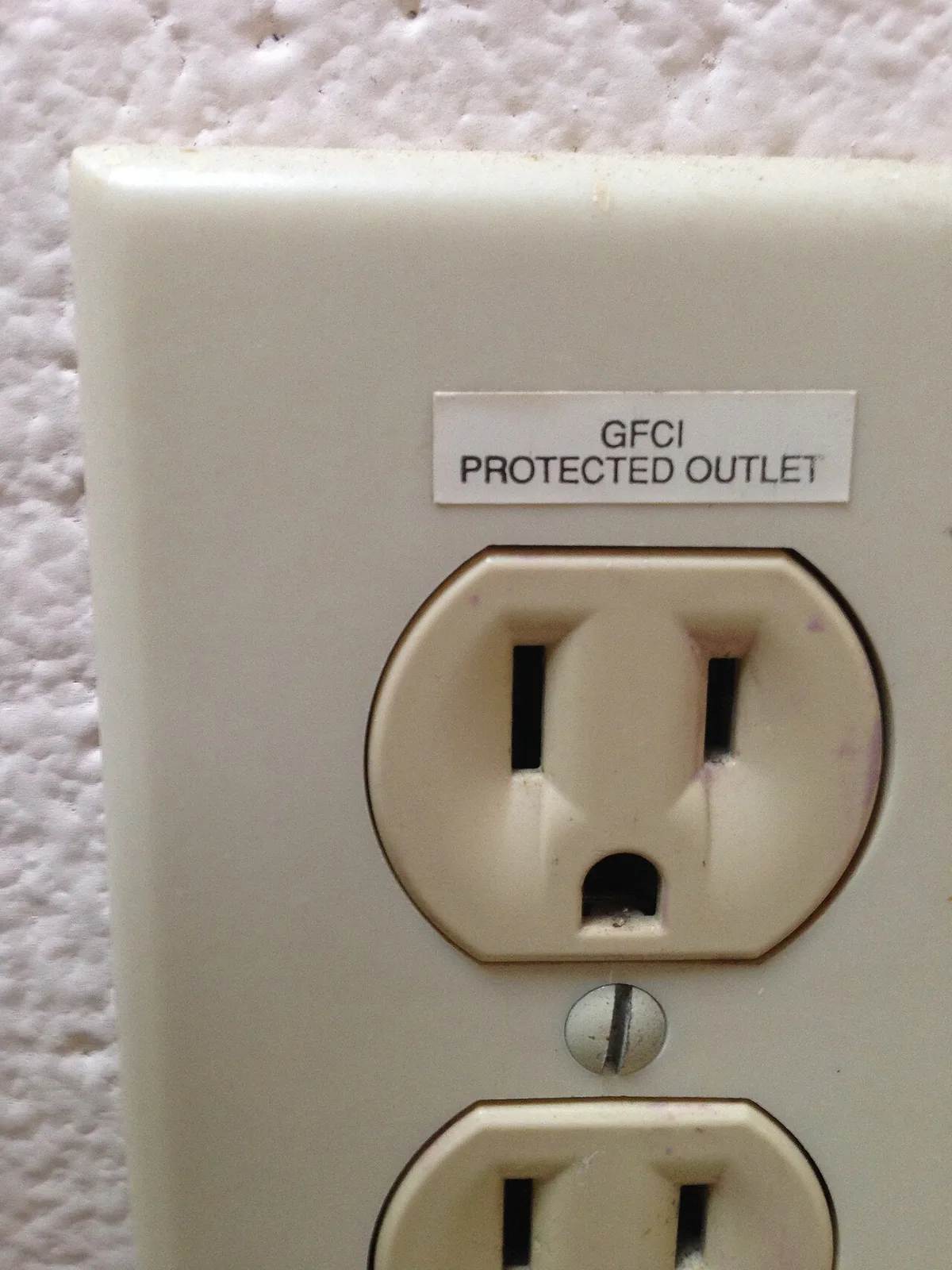
Image source: Wikimedia Commons / dankeck
If damage is minor jacket wear, clean the area thoroughly. Apply liquid electrical tape in thin overlapping coats. Allow each layer to cure fully per manufacturer instructions.
This creates a waterproof seal that restores dielectric strength. Regular vinyl tape will not hold up against basement moisture.
For full replacements, match the original wire gauge exactly. Most 1/3 HP to 1/2 HP pumps require 14 AWG cord. Larger 3/4 HP units typically need heavier 12 AWG wire.
Using undersized cord causes voltage drop and motor burnout. Always choose UL listed replacement cords rated for wet locations.
Reconnect wires following the original color coding scheme. Black goes to brass, white to silver, green to ground. Secure connections with proper wire nuts rated for damp environments.
Strain relief clamps must grip the jacket, not individual wires. This prevents tension from pulling connections apart over time.
Test the GFCI outlet before plugging in the repaired pump. Press the test button to confirm it trips correctly. Reset and verify power flows to the receptacle.
A faulty GFCI defeats the purpose of fixing the cord. Per OSHA electrical safety standards, ground fault protection is mandatory for basement equipment.
Common Mistakes That Cost Homeowners Thousands
Using extension cords as permanent solutions tops the error list. They lack the waterproof rating needed for sump pits. Voltage drop across long extensions starves the motor.
This causes overheating and premature pump failure. Our analysis shows this mistake voids most manufacturer warranties instantly.

Image source: Wikimedia Commons / Shawn from Airdrie, Canada (CC BY-SA)
Ignoring tripped breakers is another costly oversight. A breaker that keeps tripping signals serious problems. It could mean motor failure, not just cord damage.
Resetting repeatedly without diagnosis risks electrical fire. Check your home's main electrical panel when troubleshooting recurring issues.
Taping exposed wires with household tape creates false security. Standard electrical tape absorbs moisture and degrades quickly. It provides no real protection in damp basements.
Liquid electrical tape or heat shrink tubing are minimum standards. Better yet, replace the cord entirely when conductors show damage.
Skipping GFCI testing leaves you unprotected during floods. These devices fail silently over time without warning. Monthly testing ensures they actually work when needed.
A working GFCI prevents lethal shocks in standing water. This simple habit separates safe homes from disaster zones.
Neglecting backup systems during repairs invites flooding. Even brief downtime during heavy rain causes damage. Battery backups provide critical coverage during cord repairs.
Generator connections offer longer term protection during outages. Read more about keeping appliances running smoothly in our guide on routine upkeep.
Frequently Asked Questions
Can I use electrical tape on a wet sump pump cord?
Standard vinyl electrical tape fails in wet environments. Moisture seeps underneath and causes corrosion or shorts. Use liquid electrical tape designed for submerged applications instead.
For anything beyond surface nicks, complete cord replacement is safer. Never rely on tape alone for conductor protection.
How much does professional sump pump cord replacement cost?
Expect to pay $150 to $300 for licensed electrician service. This includes parts, labor, and code compliance verification. DIY replacement costs $50 to $100 for quality components.
Factor in permit fees if your municipality requires them. Professional work typically carries warranty protection that DIY lacks.
Why does my sump pump keep tripping the GFCI outlet?
Ground faults indicate current leaking outside intended paths. Damaged cords are common culprits but not the only ones. Motor winding failures or water intrusion cause similar symptoms.
Test with a known good cord first to isolate the problem. Persistent tripping after cord replacement suggests motor or switch failure.
Is it safe to splice sump pump wires inside the pit?
Splicing below potential flood lines violates electrical codes. Water exposure will eventually compromise any splice connection. All junctions must remain above maximum water levels.
Factory sealed cords eliminate this risk entirely. When in doubt, replace rather than repair submerged sections.
How often should I inspect my sump pump power cord?
Visual inspections every three months catch early damage. Check before rainy seasons and after major storms. Look for cracking, discoloration, or physical deformation.
Annual professional inspection provides deeper assessment. Regular maintenance prevents emergency failures during critical weather events.