
Your sump pump fails most when you need it. Power surges during storms fry the motor or trip breakers just as water rises. Here is how to protect a sump pump from power surges with reliable, code-compliant solutions.
Understanding surge protection for sump pumps takes seconds. The right setup costs far less than basement flood damage. Let us walk through it.
Power Surge Damage Mechanisms
Power surges are voltage spikes traveling through your home wiring. Lightning strikes induce thousands of volts in electrical lines. Your sump pump motor burns out in seconds.
Breakers can trip from sudden current spikes too. Grounding protects against this. Proper grounding prevents voltage spikes from reaching the motor.
UL listed surge protectors clamp excess voltage safely.
A sump pump without surge protection risks total motor replacement every time lightning hits nearby. One surge costs hundreds in repairs and possibly thousands in flood damage.
Surge Protection Methods Ranked
Not all surge protection works for sump pumps. Here is the real hierarchy of protection.
| Method | Surge Capacity | Battery Runtime | Motor Protection | Cost |
|---|---|---|---|---|
| Basic Surge Strip | Low | None | Poor | $25 |
| Point-Use Surge Protector | Medium | None | Good | $75 |
| UPS System | Medium | 8-24 hrs | Good | $200 |
| Backup Battery System | High | 12-48 hrs | Excellent | $800 |
| Whole-House Surge Protector | Maximum | None | Excellent | $500 |
Basic surge strips will not handle surge pump startup spikes. Point use surge protectors with 1000 plus joules offer better protection for the pump only. But they do not protect your washer, refrigerator, or furnace.
Whole house surge protectors install at your electrical panel. They guard every outlet in your home. Expect $400 to $800 installed.
For sump pump specific protection, pair this with a dedicated circuit breaker.
The smart play combines methods. Whole house surge protection plus a backup battery powered pump gives you complete defense. If the grid dies, the battery kicks in.
If a surge hits, the whole house unit absorbs it first.
Which Solution Fits Your Home
Your home size and flood risk determine the right layer.
If you live in a low risk flood zone with rare power outages, a point use surge protector for the sump pump costs $75. It will likely never pay for itself in saved damage. But peace of mind has value.
For moderate risk areas with occasional outages, a UPS plus dedicated outlet runs $200 to $400. This protects the pump from moderate surges and keeps it running for hours during grid failures.
High risk flood zones with frequent storms need the belt and suspenders approach. Whole house surge protection at your panel ($400 to $800 installed) plus a battery backup sump pump ($800 to $1500). Yes, it is expensive.
But compare it to $20,000 in flood damage cleanup.
The math is simple. Every $1,000 spent on proper protection saves $15,000 in potential basement repairs, contents replacement, and mold remediation.
Installation and Cost Breakdown
Installing sump pump surge protection ranges from a weekend DIY job to a professional electrician visit. Cost depends on complexity.
DIY point use surge protector costs $75 to $150 in materials. You need a dedicated outlet with proper grounding. Test with a receptacle tester before plugging in the pump.
Hardwired surge protectors at your panel require a licensed electrician. Expect $400 to $800 including labor. Electrical panels vary by home age and amperage.
Backup battery systems cost $800 to $1500. Professional installation runs another $500 to $1000. Most installers recommend annual maintenance checks.
The most common mistake is skipping grounding. An ungrounded outlet makes any surge protector useless. Always test outlets with a receptacle tester first.
Another error is buying low joule surge protectors. Minimum 1000 joules protects small appliances. For sump pumps, aim for 2000 plus joules.
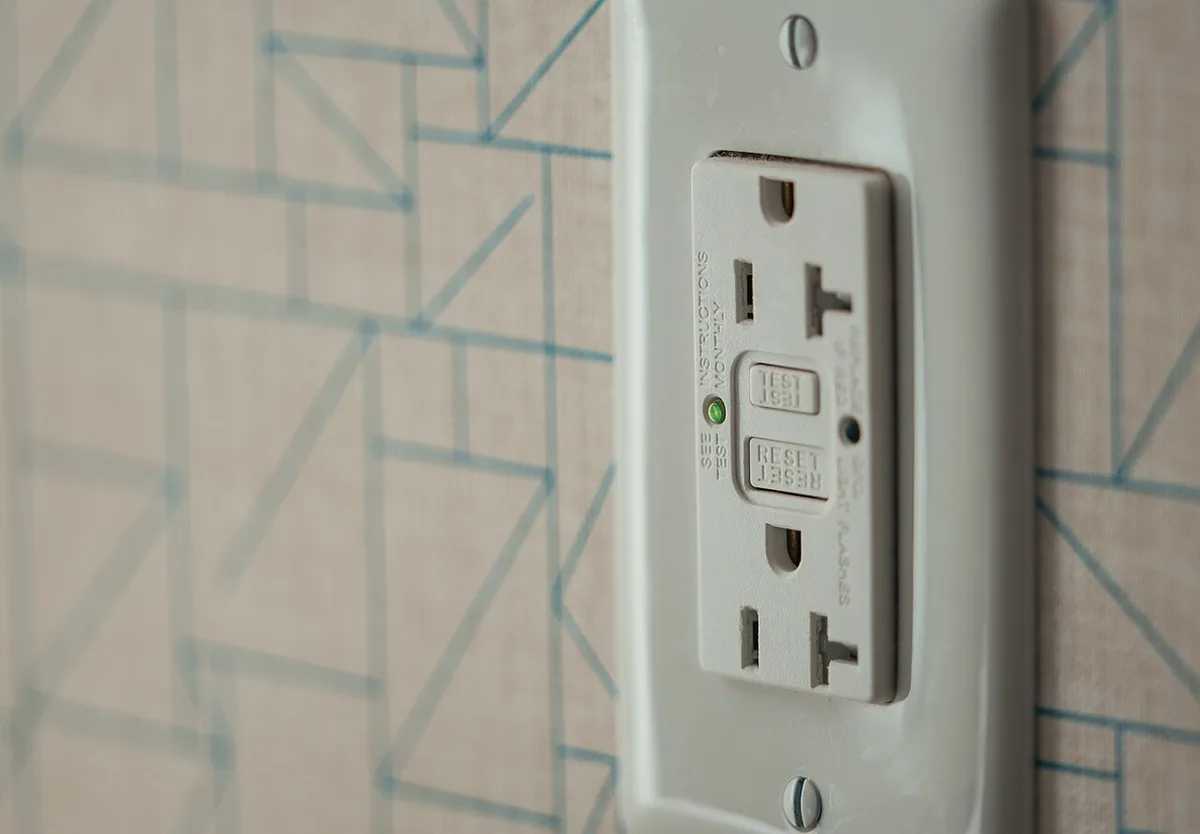
Finally, never plug your sump pump into a GFCI outlet without surge protection. GFCIs trip during lightning storms, cutting power when you need the pump most.
Frequently Asked Questions
Can I use a regular surge protector for my sump pump
No, standard surge protectors fail under sump pump startup surges. Use a dedicated point use protector rated for motor loads or a UPS with surge protection.
Do I need whole house surge protection
Whole house protection covers all outlets and appliances. If you have sensitive electronics throughout your home, invest in panel level surge protection. It costs less than replacing your furnace control board or smart TV.
How often should I replace surge protectors
Most surge protectors degrade after absorbing 5000 to 10000 surges. Replace them every three years or immediately after any significant power event. Check the indicator light monthly.
If it goes out, replace the unit immediately.
Are battery backup pumps worth the cost
Yes, especially in flood prone areas. A backup pump activates automatically when main power fails. With a charged battery, it keeps your basement dry for 8 to 24 hours depending on water inflow rate.
Battery backup pumps cost more upfront, but they prevent catastrophic failure when the grid goes down. In areas with frequent severe thunderstorms, a backup system is essential protection. Without one, a single extended outage can flood your basement entirely.
What size UPS do I need for a sump pump
You need a UPS rated for your pump's startup wattage, which is typically three times higher than running wattage. Check your pump motor label for exact specifications. Most residential sump pumps require 750 to 1500 watt UPS units.
Always choose a unit with 50 percent extra capacity for safety.
Can surge protectors cause fire hazards
Low quality surge protectors with internal components can overheat and catch fire. Look for UL 1449 certified units rated for permanent installation. Avoid cheap generic brands from unknown manufacturers.
Never daisy chain multiple surge protectors together.
How do I know if my sump pump needs surge protection
If your home receives frequent power interruptions or lightning strikes, surge protection is mandatory. Homes built before 2000 rarely had surge protection installed. Check your electrical panel for whole house units.
You should see a dedicated breaker or module installed. If absent, contact a licensed electrician for proper installation.
Where should I install surge protection for my sump pump
Place point use surge protectors within six feet of the pump outlet. Keep the pump cord away from water accumulation areas. Install whole house units directly at your main electrical panel.
This requires professional installation and permits in most jurisdictions.
Can I install whole house surge protection myself
Installing panel surge protection carries serious electrical hazards. The National Electrical Code requires licensed electricians for panel work. Improper installation voids equipment warranties.
Always hire certified professionals for any work involving your home's electrical panel.
Should I prioritize battery backup or surge protection first
Start with surge protection immediately. It costs $100 or less and prevents expensive motor burnout from lightning strikes. Battery backup systems cost $800 and prevent flooding during extended outages.
Both work together for complete protection. If budget allows only one, surge protection is the higher priority for most homeowners.
How much does whole house surge protection cost
Whole house surge protectors range from $200 to $800 depending on home size and electrical needs. Professional installation adds $200 to $400. Total costs typically run $400 to $1,200.
Larger homes with 200 amp service require higher capacity units. Older homes needing electrical panel upgrades add significant installation costs.
What happens if I skip surge protection
Without surge protection, lightning strikes can destroy your pump motor instantly. Replacement costs $300 to $800 plus emergency service calls. Worse, a dead pump means flooded basement cleanup costing thousands.
Insurance deductibles average $1,000 to $2,500 per claim. Small investment in protection prevents major losses quickly.
How often should I test my sump pump with surge protection
Test your entire system monthly during heavy rainfall seasons. Pour water into the pit and confirm the pump activates within 5 seconds. Check that surge protectors show green indicator lights.
Listen for irregular noises indicating electrical or motor problems. Replace backup batteries every 3 to 5 years based on cycle life specifications. Schedule professional inspections annually to verify grounding connections and panel integrity.
Are GFCI outlets compatible with surge protection
Standard GFCI outlets interfere with some surge protectors by tripping during transient voltage events. Use tandem GFCI surge protector combinations rated for motor loads instead. These specialized units combine ground fault protection with surge suppression in one device.
They cost $50 to $100 but prevent false trips during storms. Regular GFCI outlets must have downstream surge protection installed separately to function properly with motor loads.
What maintenance does surge protection require
Most surge protectors require zero ongoing maintenance beyond visual inspection. Check indicator lights monthly and replace any unit showing a red or amber warning light immediately. Whole house units may contain replaceable surge modules that need swapping every 5 to 10 years after major electrical events.
Always disconnect power before servicing panel installed devices to avoid electrical hazards safely.