
Figuring out how to prevent odors from a sump pump pit starts with identifying the specific source. You cannot fix the smell until you know if it is sewer gas, bacteria, or radon. Guessing leads to wasted money on ineffective deodorizers that only mask the problem temporarily.
The International Plumbing Code requires trap seals to maintain at least two inches of water depth as of 2026. This specification prevents dangerous gases from entering your living space through evaporation or suction. We will walk through a diagnostic workflow to pinpoint your exact issue before applying any fixes.
how to prevent odors from a sump pump pit
Prevent sump pit odors by maintaining water in the P-trap seal. Install an airtight cover with proper gaskets to block gas escape. Clean biological slime using enzyme treatments instead of harsh bleach.
Test check valves regularly to stop sewage backflow into the basin. Verify no illegal sanitary connections exist upstream.
Diagnose the Smell: Sewer Gas, Biofilm, or Stagnant Water?
Identifying the odor type dictates which repair branch you follow next. Misdiagnosis is the most common reason homeowners fail to solve this problem permanently.
The Rotten Egg vs. Musty Mold Test
Hydrogen sulfide smells distinctly like rotten eggs and indicates sewer gas intrusion. This usually means a dried trap seal or missing check valve allows gases to enter. A musty or earthy smell points toward biological growth or stagnant water issues instead.
Iron bacteria creates a slimy orange residue alongside these organic odors.
Checking for Illegal Sanitary Sewer Connections
Sump pits should only collect groundwater, never wastewater from sinks or toilets. If sewage enters your pit, you likely have an illegal cross-connection violating local codes. Municipalities impose heavy fines for discharging sanitary waste into storm drains.
A licensed plumber can perform a dye test to confirm improper connections safely.
When Radon Mimics Sump Pump Odors
Radon is odorless but often enters homes through unsealed sump basins. Homeowners sometimes mistake other basement smells for radon because both share entry points. Testing is the only way to confirm radon presence since human senses cannot detect it.
Sealing the pit lid helps mitigate both odor and radioactive gas infiltration simultaneously.
The Decision Workflow: Matching the Fix to the Root Cause
Use this conditional logic to select the correct solution path based on your diagnosis. Each branch addresses a distinct failure mode requiring specific interventions.
Branch 1: Restoring a Dried-Out P-Trap Seal
If the pit is dry and smells like sewer gas, the trap seal has evaporated. Pour five gallons of clean water directly into the basin to restore the barrier. In arid climates or vacant homes, install an automatic trap primer valve.
This device adds small amounts of water automatically to maintain the seal indefinitely.
Branch 2: Sealing Air Leaks and Securing the Lid
Gaps around pipes or cords allow odors to bypass the water seal entirely. Apply silicone caulk or replace worn grommets where discharge lines exit the cover. Bolt-down lids provide superior sealing compared to friction-fit models during pump vibration.
Ensure the perimeter gasket is intact and compressed evenly when tightened.
Branch 3: Treating Biological Growth Without Damaging the Pump
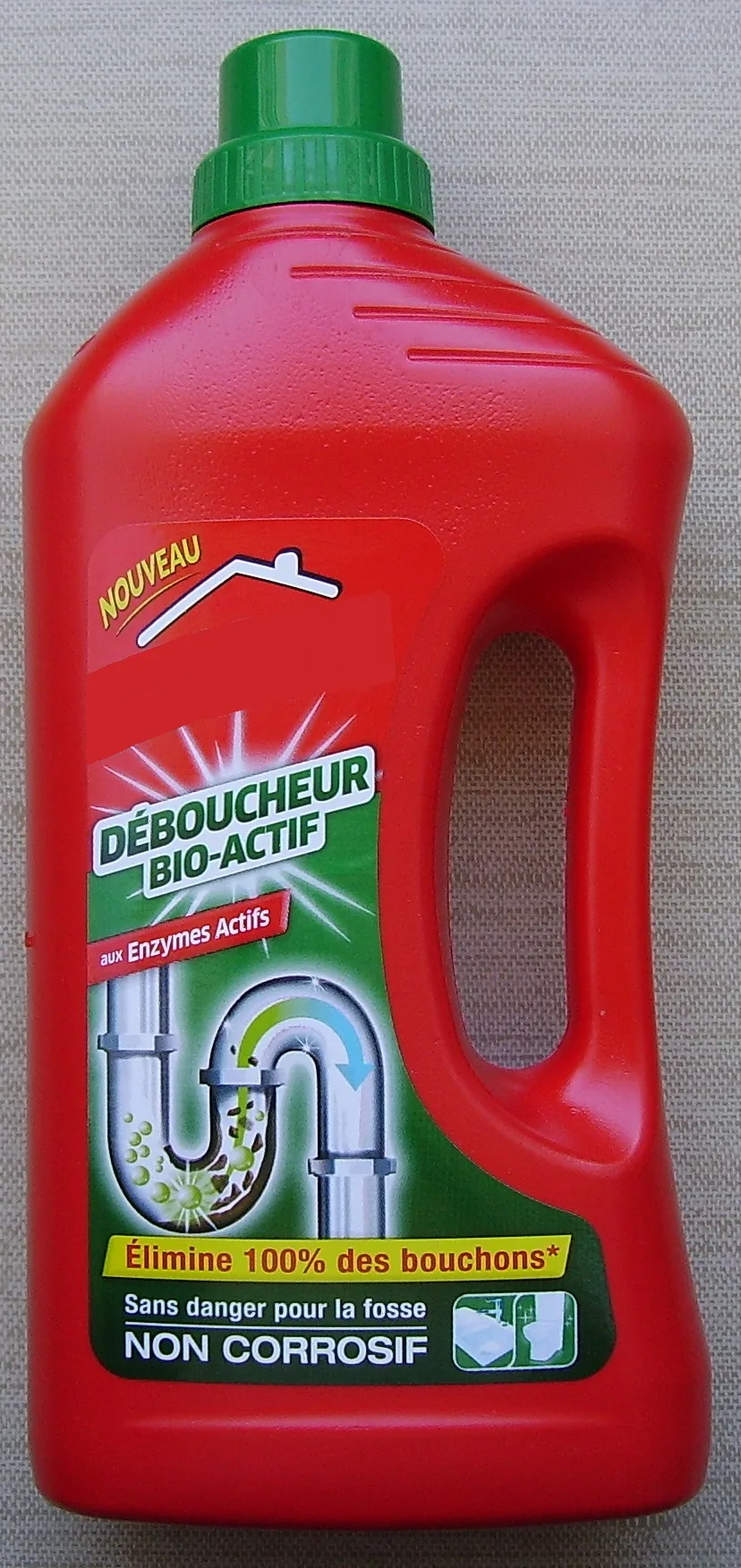
Image source: Wikimedia Commons / Cjp24 (CC BY-SA)
Biofilm buildup requires enzymatic cleaners rather than chlorine bleach or vinegar. Enzymes digest organic matter without corroding plastic components or rubber seals. Follow manufacturer dosing instructions for monthly maintenance applications in standing water.
Avoid harsh chemicals that void warranties or harm septic systems downstream. Regular treatment prevents recurrence better than reactive cleaning alone.
Branch 4: Addressing Check Valve Failure and Backflow
A failing check valve allows discharged water to flow backward into the pit. Listen for loud thumping noises or observe water levels rising after pump cycles. Replace swing-style valves every five to ten years per aggregate user reviews.
Proper installation requires correct orientation and secure coupling connections to prevent leaks.
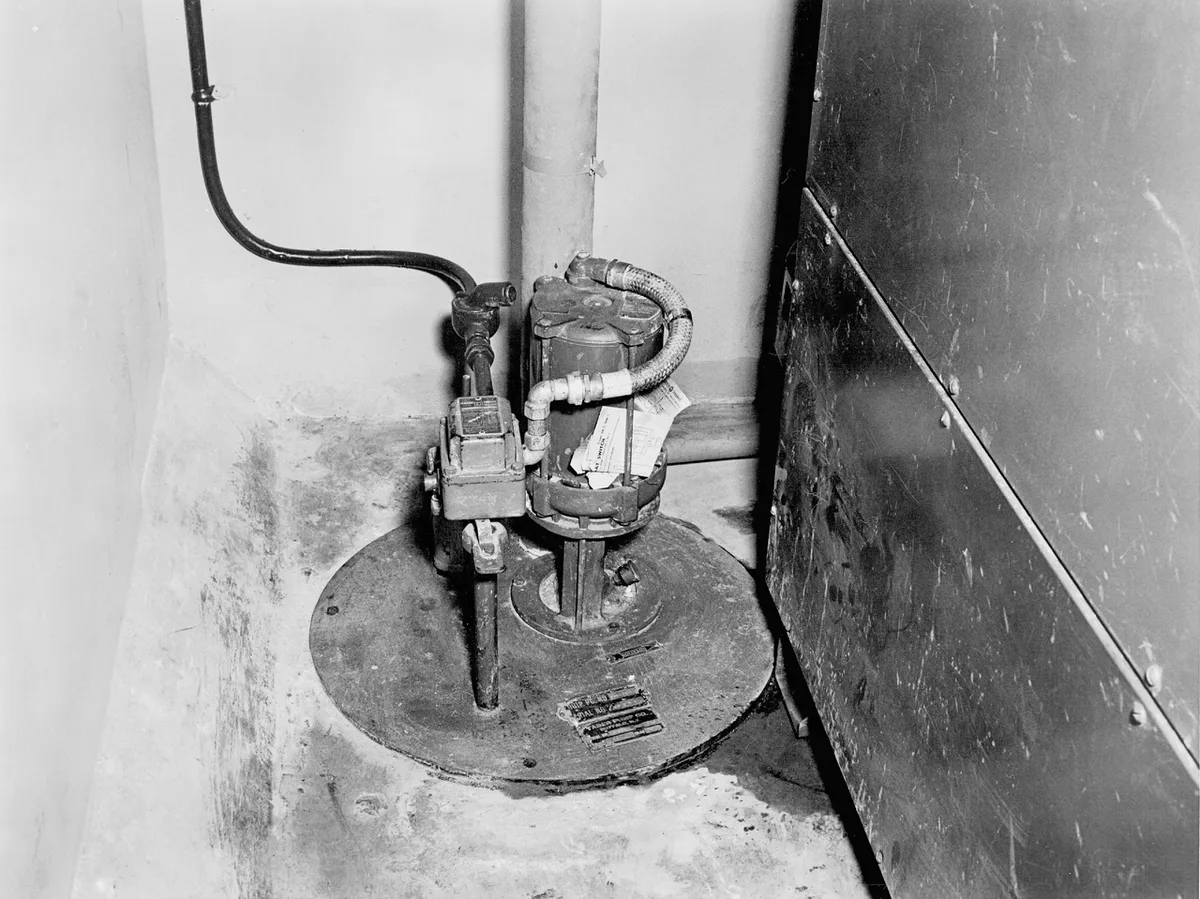
Image source: Wikimedia Commons / United States Department of Energy
Critical Mistakes That Make Sump Pit Odors Worse
Avoiding these errors saves time and prevents making the problem more expensive to fix. Well-intentioned DIY efforts often cause damage that requires professional remediation.
Why Bleach and Harsh Chemicals Fail
Chlorine bleach kills beneficial bacteria but leaves behind dead biomass that feeds future growth. It also accelerates corrosion of metal fasteners and degrades plastic basin walls. Vinegar reacts with mineral deposits creating additional sludge rather than solving odor sources.
Stick to pH-neutral enzyme formulations designed specifically for sump environments.
Ignoring Evaporation in Arid Climates or Vacant Homes
Dry conditions accelerate trap seal loss far faster than humid environments predict. Seasonal properties need automated solutions since manual refilling is impossible during absences. Even occupied homes in desert regions may lose seals within weeks during summer.
Monitor water levels monthly regardless of perceived humidity or rainfall patterns nearby.
Overlooking Vent Stack Blockages Upstream
Plumbing vents equalize pressure to prevent trap seal siphoning during drainage events. Blocked roof vents create negative pressure that pulls water out of traps. Symptoms include gurgling drains alongside persistent sump odors despite fresh water.
Clearing vent obstructions restores proper airflow and protects all downstream trap seals effectively.
Frequently Asked Questions About Sump Pit Odors
How often should I add water to my sump pit?
Check water levels monthly in moderate climates and weekly in arid regions. Add enough water to maintain two inches above the trap outlet. Automatic primers eliminate guesswork for vacation homes or consistently dry areas.
Consistent monitoring prevents emergency odor problems before they start.
Can I use baking soda to neutralize sump smells?
Baking soda temporarily masks odors but does not address root causes like dry traps. It dissolves quickly and provides no lasting protection against sewer gas. Enzyme treatments offer superior long-term results for biological issues.
Reserve baking soda for minor surface cleaning only after fixing underlying problems.
Is sump pump odor dangerous to health?
Sewer gas contains hydrogen sulfide which causes headaches and respiratory irritation at low concentrations. High exposure levels pose serious toxicity risks requiring immediate evacuation. Radon entry through unsealed pits increases lung cancer risk over time.
Always treat persistent odors as potential health hazards needing prompt professional evaluation.
Why does my sump smell worse after rain?
Heavy rainfall raises groundwater tables pushing soil gases into basements through cracks. Saturated ground also overwhelms drainage systems causing temporary backups or slow draining. Increased humidity accelerates biological growth rates in warm pit environments.
Post-storm odors signal potential sealing failures needing inspection before next rainfall event.