
Understanding how does a battery backup sump pump work starts with seeing it as an independent emergency system. It sits beside your primary AC pump and activates only when grid power fails or the main unit stops working. This redundancy protects finished basements from catastrophic flooding during severe storms.
Manufacturer specifications indicate most residential DC backup pumps move 1,800 to 3,500 gallons per hour at zero head pressure. Per NFPA 70 electrical standards, these systems require dedicated charging circuits separate from the primary pump outlet. Let’s look at the physical components that make this automatic protection possible.
How Does a Battery Backup Sump Pump Work
A battery backup sump pump works using stored DC power and an independent float sensor. The control module detects rising water when AC power is lost. It then switches on the submerged DC motor automatically.
Water discharges through a dedicated check valve until power returns.
Key Components and Physical Layout Inside the Sump Pit
The physical arrangement inside your sump basin determines whether the backup system actually functions during an emergency. You need to visualize each component's position relative to the water line and discharge piping. Proper spacing prevents mechanical interference between the primary and backup units.
What Makes Up the Complete System
- DC Pump Motor: Submersible unit designed specifically for low-voltage battery operation
- Deep Cycle Battery: Group 27 or 31 marine battery providing sustained amperage
- Electronic Controller: Monitors AC status and triggers DC activation automatically
- Vertical Float Switch: Independent sensor positioned above primary pump trigger point
- Check Valve: Prevents discharged water from flowing back into the pit
- Charger Converter: Maintains battery readiness without overcharging cells
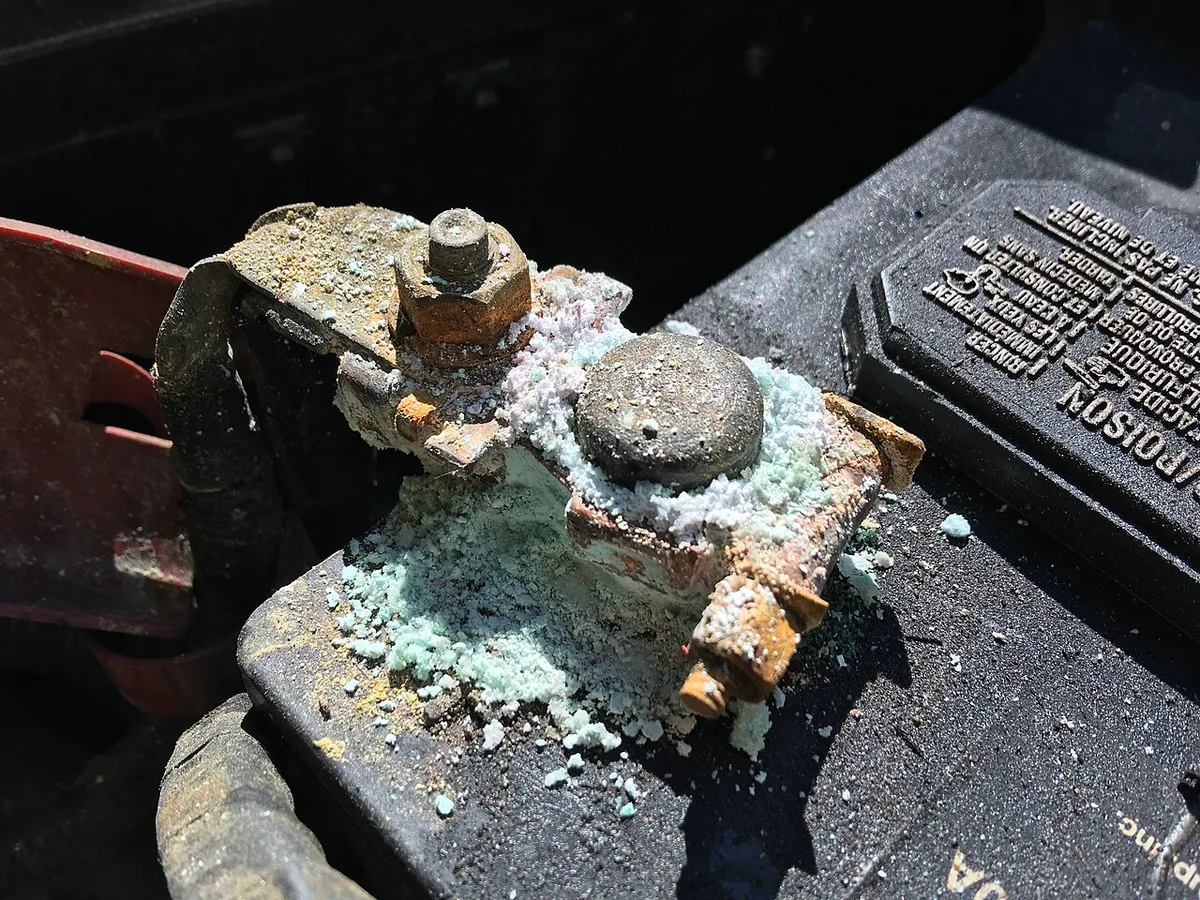
Image source: Wikimedia Commons / MarkBuckawicki
The controller box typically mounts on the wall above the pit to stay dry during flood events. Battery placement varies by model but usually sits adjacent to the basin on a stable platform. Keeping terminals clean ensures reliable current flow when seconds matter most.
For homeowners managing other appliance maintenance, understanding routine upkeep helps build good inspection habits across all critical home systems.
Critical Installation Constraints That Determine Runtime and Reliability
Installation mistakes cause more backup failures than dead batteries ever do. The vertical lift from your sump pit to the discharge point directly dictates runtime and flow rate. Every foot of elevation reduces effective pumping capacity significantly.
Understanding Head Pressure Limitations
| Vertical Lift (Feet) | Effective GPH Reduction | Estimated Runtime Impact |
|---|---|---|
| 0-5 | Minimal loss | Full rated duration |
| 6-10 | 20-30% reduction | Moderate decrease |
| 11-15 | 40-50% reduction | Significant decrease |
| 16-20 | 60-70% reduction | Severe limitation |
| 21+ | System may fail | Not recommended |
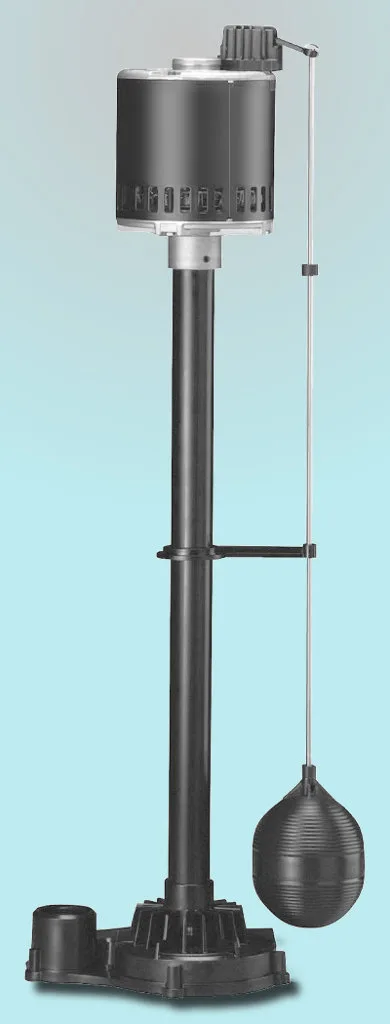
Image source: Wikimedia Commons / Own work (CC BY-SA)
You must measure total vertical distance from the pit bottom to where discharge exits the foundation. Horizontal pipe runs add friction loss equivalent to additional vertical feet. Undersizing your battery for actual head conditions guarantees premature shutdown during extended outages.
If you've dealt with appliance error diagnostics before, you know that ignoring manufacturer specs leads to repeated failures.
Float Switch Positioning Matters
The backup float switch must sit higher than the primary pump's activation point. This staging ensures the main pump handles normal water levels while AC power is available. The backup only engages when water rises beyond normal operating range.
Placing both switches at identical heights causes unnecessary battery cycling during minor inflow events. Obstructions like pipes or debris can prevent the float from traveling freely through its full range. Test the mechanical movement monthly to confirm nothing blocks proper activation.
Maintenance Checks and Common Failure Points You Can Spot Visually
Visual inspections catch problems long before they leave you unprotected during a storm. Most backup system failures stem from neglect rather than manufacturing defects. A quick monthly check takes less than five minutes and prevents costly surprises.
Monthly Inspection Checklist
- Verify charger indicator shows green or solid status light
- Inspect battery terminals for white corrosion buildup
- Confirm float switch moves freely without obstruction
- Check discharge pipe connections for leaks or cracks
- Test manual activation button to verify motor response
- Ensure battery case shows no bulging or fluid leaks
Corroded terminals create resistance that prevents proper charging and reduces available cranking amps. Clean connections with a wire brush and apply dielectric grease to prevent future oxidation. Swollen battery cases indicate internal cell damage requiring immediate replacement regardless of age.
When troubleshooting diagnostic indicators on other equipment, similar visual cues often reveal root causes faster than testing tools.
Recognizing End-of-Life Warning Signs
Batteries degrade gradually even with perfect maintenance and ideal storage conditions. Flooded lead-acid units typically last three to five years before capacity drops below safe thresholds. AGM sealed batteries extend that window to four to six years under normal use.
Lithium-ion systems offer seven to ten years of service but cost significantly more upfront. Watch for slower recharge times after test cycles as an early degradation signal. Reduced runtime during manual tests indicates diminished reserve capacity.
Replacing proactively beats discovering failure during the next major storm event.
Frequently Asked Questions
How long will a battery backup sump pump run during an outage?
Runtime depends entirely on battery size and vertical lift requirements. A properly sized Group 31 battery typically provides four to eight hours of continuous pumping at moderate head pressure. Intermittent cycling extends operational time to twenty-four hours or more during light infiltration events.
Can I use a regular car battery instead of a marine deep cycle battery?
Car batteries are engineered for short high-amperage bursts, not sustained discharge cycles. Using one will result in rapid sulfation and complete failure within months. Always use batteries rated for deep cycle marine or RV applications to ensure reliable backup performance.
Does the backup pump need its own separate discharge pipe?
Most installations share the primary pump's discharge line through a wye fitting and individual check valves. Separate piping eliminates backflow risk but doubles installation complexity and cost. Shared lines work reliably when check valves function correctly and remain free of debris.
Why does my backup pump alarm sound even though there is no water?
False alarms usually indicate charger malfunction, low battery voltage, or float switch obstruction. Check the charger output with a multimeter to confirm proper voltage delivery. Inspect the float mechanism for mineral deposits or debris preventing free movement through its full travel range.
Is professional installation required for battery backup sump pumps?
While DIY installation is possible, electrical code compliance and proper sizing benefit from professional assessment. Incorrect wiring creates fire hazards and may void insurance coverage during claims. Many jurisdictions require licensed electricians for any sump pump electrical work per local building codes.