
Your HVAC air might be loud due to dirty filters or loose components. Regular maintenance can help reduce noise.
Loud HVAC noises can be annoying and disruptive. Identifying the cause of the noise is essential for maintaining comfort and efficiency. Common reasons include dirty filters, loose parts, or debris in the system. Regular cleaning and inspection can prevent these issues.
Addressing HVAC noise promptly can extend the lifespan of your system. Simple fixes often involve tightening components or replacing filters. If noise persists, a professional HVAC technician should be consulted. Regular maintenance ensures quieter operation and better air quality. Understanding the causes helps in making informed decisions about repairs. Efficient HVAC systems provide a comfortable living environment.
Introduction To Hvac Noise Issues
Is your HVAC system making too much noise? You are not alone. Many homeowners face this issue. Understanding why your HVAC air is loud can help you fix it. Let’s explore the common complaints and its impact on comfort and well-being.
Common Complaints
Common complaints about noisy HVAC systems include:
- Banging or clanking sounds
- Humming or buzzing noises
- Whistling or hissing sounds
- Loud clicking noises
These noises can be annoying and disruptive. They can also signal problems within your HVAC system. Identifying these issues early can prevent bigger problems later.
Impact On Comfort And Well-being
Noisy HVAC systems can affect your comfort and well-being. Loud noises can disrupt your sleep. They can also make it hard to concentrate. This can lead to stress and frustration.
In some cases, the noise can indicate a serious problem. For example, a banging sound might mean a loose part. This can cause further damage if not fixed. Addressing these issues promptly ensures your HVAC system runs smoothly.
Keeping your HVAC system quiet is important. It helps maintain a peaceful home environment. It also ensures the system works efficiently. Regular maintenance can help reduce noise. This keeps your home comfortable and stress-free.
Identifying The Source Of Loud Hvac Air
Is your HVAC system making too much noise? Identifying the source of the loud air can help. Understanding these sources helps you fix the problem quickly.
Airflow Disruptions
Airflow disruptions can make your HVAC air loud. Blocked vents or dirty filters often cause these disruptions. Check for any obstructions in the vents. Clean or replace your air filters regularly.
Mechanical Malfunctions
Mechanical malfunctions can cause loud noises in your HVAC system. Broken fan blades or loose parts are common issues. Listen for any rattling or grinding sounds. Schedule a professional inspection if you suspect mechanical problems.
Ductwork Design Flaws
Ductwork design flaws can also lead to noisy HVAC air. Poorly designed ducts can cause whistling or banging sounds. Check for any gaps or loose connections in the ductwork. A professional can help redesign or repair faulty ducts.
| Source of Noise | Possible Solution |
|---|---|
| Airflow Disruptions | Clean filters and remove obstructions |
| Mechanical Malfunctions | Inspect and fix broken parts |
| Ductwork Design Flaws | Redesign or repair ducts |
Airflow Disruptions Explained
Is your HVAC air too loud? One common reason is airflow disruptions. These disruptions can cause strange noises and reduce efficiency. Let’s explore some common causes of airflow problems.
Blocked Vents
Blocked vents can make your HVAC system noisy. Furniture or rugs can block vents. Check all vents to ensure they are clear. Clear vents help air flow freely and reduce noise.
Dirty Filters
Dirty filters restrict airflow and cause noise. Change your filters regularly. A clean filter helps your system run smoothly. Check your filter every month and replace it if needed.
Fan Speed Settings
Fan speed settings can affect the noise level. High fan speeds can create loud noises. Adjust the fan speed to a lower setting. A lower fan speed can reduce noise and improve comfort.
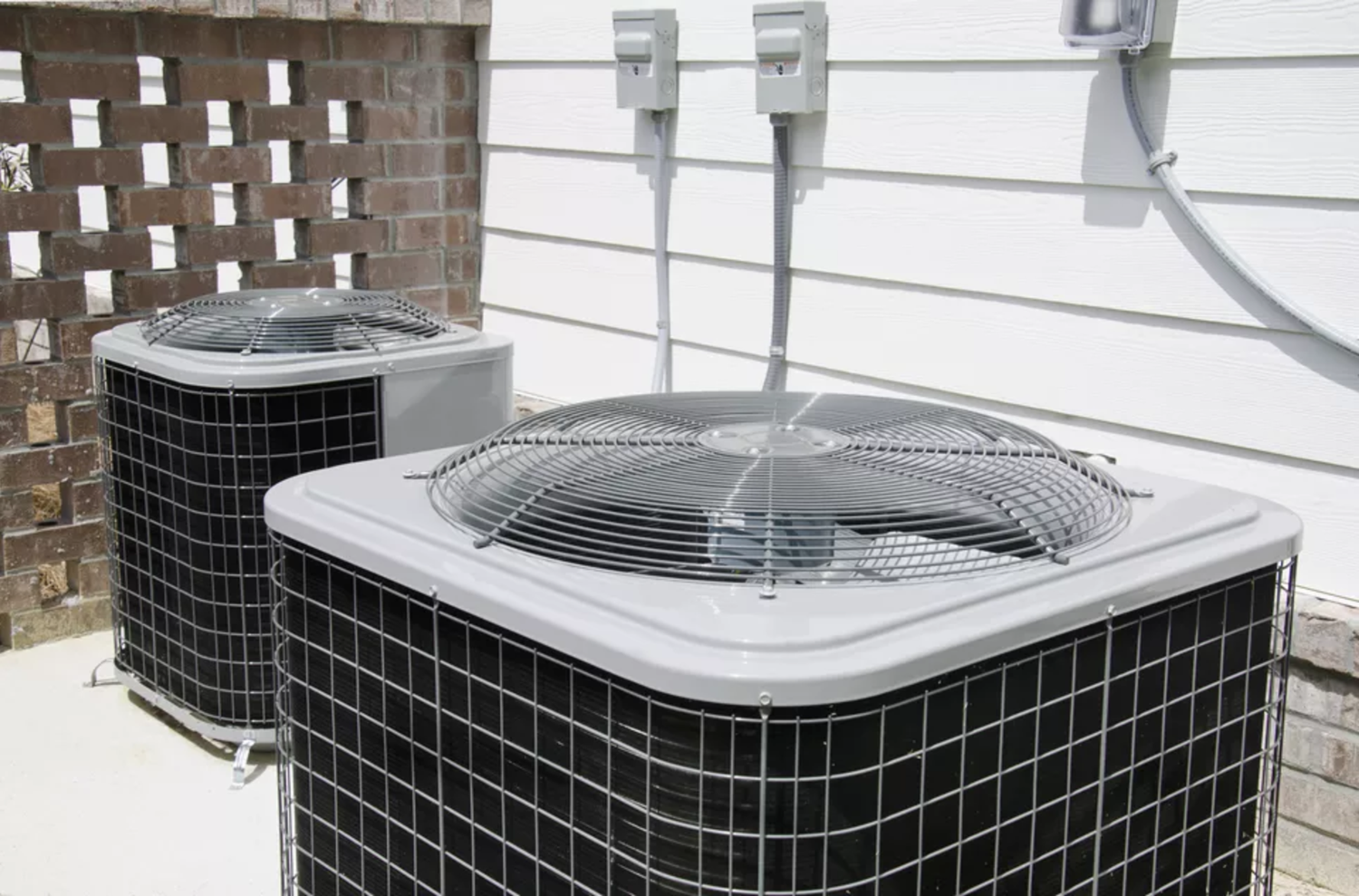
Credit: www.croppmetcalfe.com
Mechanical Malfunctions And Noise
HVAC systems can get noisy. The noise often comes from mechanical malfunctions. These issues make your HVAC work harder and louder. Let’s explore some common causes.
Worn-out Bearings
Bearings help the HVAC fan to spin smoothly. Worn-out bearings make the fan noisy. They can cause a grinding or squealing sound. This noise means the bearings need replacing.
| Signs of Worn-out Bearings | Possible Solutions |
|---|---|
| Grinding or squealing noise | Replace the bearings |
| Fan not spinning smoothly | Lubricate or replace bearings |
Loose Components
Loose components cause rattling or banging sounds. These parts can be screws, panels, or fan blades. They loosen over time. Tightening these components reduces noise.
- Check all screws and bolts
- Inspect fan blades
- Secure any loose panels
Fan Issues
The fan circulates air in your HVAC. Fan issues lead to loud noises. Bent or damaged fan blades cause a clicking sound. A dirty fan makes a humming noise. Cleaning or fixing the fan can help.
- Turn off the HVAC
- Remove the fan cover
- Inspect and clean the fan blades
- Replace damaged blades
Ductwork Design And Its Impact
The design of your ductwork can greatly affect the noise level of your HVAC system. Poorly designed ductwork can lead to loud and disruptive air flow. Understanding the impact of ductwork design helps in identifying and fixing noise issues.
Improper Sizing
Ductwork that is too small or too large can cause noise. When ducts are too small, air is forced through narrow spaces, creating loud sounds. On the other hand, oversized ducts can cause air to travel slowly, leading to other noise problems.
| Problem | Noise Cause |
|---|---|
| Too Small | Forced Air |
| Too Large | Slow Air Movement |
Leaks And Gaps
Leaks and gaps in ductwork can make your HVAC system noisy. Air escaping from leaks creates whistling sounds. Gaps can also lead to rattling noises as loose parts move.
- Whistling Sounds: Caused by air leaks.
- Rattling Noises: Caused by gaps in ductwork.
Noise Amplification
Poor ductwork design can amplify noise. Thin or poorly insulated ducts can carry and amplify sound. This makes the noise from your HVAC system louder than it should be.
- Thin Ducts: Less sound absorption.
- Poor Insulation: Increased noise levels.

Credit: www.conditionedairsolutions.com
Solutions To Reduce Hvac Noise
Does your HVAC system sound too loud? There are ways to reduce the noise. Let’s explore some practical solutions to make your HVAC quieter.
Regular Maintenance
Performing regular maintenance can significantly reduce HVAC noise. Clean and replace air filters. Lubricate moving parts. Tighten loose components. These simple steps can prevent many noise issues.
- Clean air filters every month
- Lubricate the fan and motor
- Tighten loose screws and bolts
Upgrading Parts
Consider upgrading parts to quieter versions. Modern components are designed to operate silently.
| Old Part | Quieter Upgrade |
|---|---|
| Standard Fan | Quiet Fan |
| Basic Motor | Silent Motor |
These upgrades can make a big difference in noise levels.
Professional Ductwork Evaluation
A professional ductwork evaluation can identify noisy ducts. Experts can spot issues that cause noise. They can seal leaks, insulate ducts, and fix bends.
- Inspect ducts for leaks
- Insulate noisy sections
- Fix sharp bends and kinks
This ensures smoother airflow and less noise.
Choosing The Right Hvac System
Choosing the right HVAC system is crucial for maintaining a quiet home. Many factors impact the noise level of your HVAC system. Below, we explore the most important considerations.
Noise Ratings
Noise ratings are essential when selecting an HVAC system. These ratings indicate how loud the unit will be during operation. Lower noise ratings mean a quieter system. Look for units with a low decibel (dB) rating. A rating under 60 dB is considered quiet.
| Noise Rating (dB) | Noise Level |
|---|---|
| 50-60 dB | Quiet |
| 60-70 dB | Moderate |
| 70+ dB | Loud |
Professional Installation
Professional installation ensures your HVAC system operates quietly. Experts know how to reduce noise during installation. They can properly insulate and secure the system. Poor installation may lead to rattling and loud operation.
Always hire a certified technician. They will check for vibration issues and ensure everything is tight and secure. Proper installation extends the life of your HVAC system.
Quality Brands
Choosing quality brands can also reduce noise levels. Top brands design their units to be both efficient and quiet. They use advanced technology to minimize noise.
Brands like Trane, Carrier, and Lennox are known for their quiet systems. Investing in a reliable brand ensures long-term satisfaction. Quality brands often offer better warranties and customer support.
Conclusion: Achieving Quieter Hvac Operation
A quiet HVAC system makes your home more comfortable. Loud noises can be distracting and even indicate underlying issues. By understanding the importance of expert advice and the long-term benefits of noise reduction, you can ensure your HVAC system runs smoothly and quietly.
Importance Of Expert Advice
Expert advice helps identify the root cause of the noise. Professionals have the tools and experience to diagnose issues accurately. They can recommend the best solutions for your specific situation.
Consulting an expert can save you money. Incorrect fixes can lead to more problems and higher costs. An expert ensures the right fix is applied the first time.
Professionals can also offer tips for regular maintenance. This keeps your HVAC system running efficiently and quietly. Their advice extends the life of your system and improves performance.
Long-term Benefits Of Noise Reduction
Reducing HVAC noise improves your quality of life. A quieter home environment enhances comfort and relaxation.
Lower noise levels can also improve your home’s energy efficiency. A well-maintained system operates more smoothly, reducing wear and tear.
Investing in noise reduction can increase your home’s value. Potential buyers appreciate a quiet, efficient HVAC system.
Noise reduction also contributes to better sleep. Continuous noise can disrupt sleep patterns, affecting your overall health.
| Benefits | Description |
|---|---|
| Comfort | Enhances home comfort and relaxation. |
| Energy Efficiency | Improves system performance and reduces wear. |
| Home Value | Increases property value with a quieter system. |
| Better Sleep | Reduces noise disruptions for healthier sleep. |
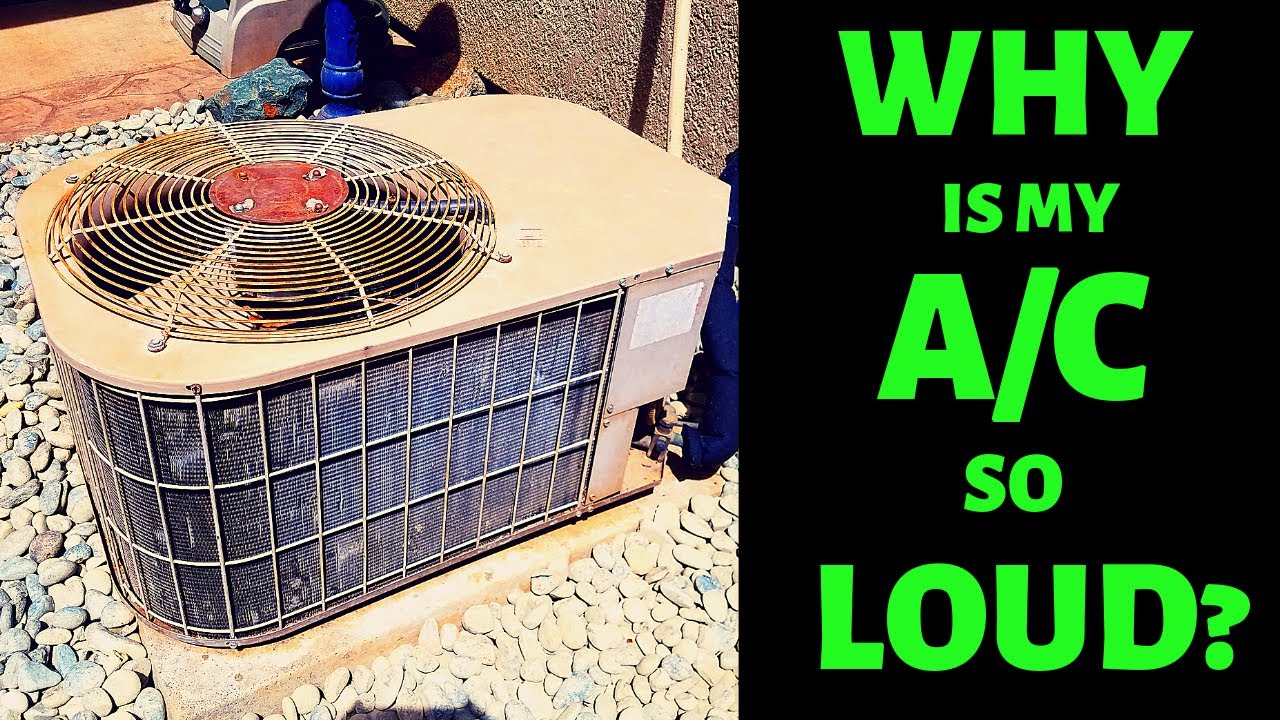
Credit: www.youtube.com
Conclusion
Loud HVAC air can indicate underlying issues needing attention. Regular maintenance helps keep your system quiet and efficient. Addressing problems early prevents costly repairs. A quiet HVAC system ensures comfort and peace in your home. Don’t ignore strange noises; consult a professional to diagnose and resolve any concerns promptly.