
Why Indoor Dryer Vents Matter
Indoor dryer vents are essential for homes, apartments, or condos where external venting isn’t possible. They capture lint, moisture, and heat generated during the drying cycle, redirecting airflow back into the living space instead of exhausting it outdoors.
A well-installed indoor dryer vent improves indoor air quality, reduces humidity buildup, and recirculates warm air—cutting down heating costs during colder months. However, effectiveness depends heavily on proper maintenance and choosing a unit compatible with your dryer type and living situation.
In practice, neglecting routine upkeep is the most common mistake. A clogged filter forces your dryer to work harder, increasing energy consumption and shortening appliance lifespan. Always follow manufacturer guidelines and inspect components regularly.
Top Indoor Dryer Vent Options Reviewed
BetterVent Indoor Dryer Vent – Water-Free Efficiency

The BetterVent uses dual-layer polyester and screening to trap lint without needing water.
The BetterVent Indoor Dryer Vent from ADR Products delivers reliable performance for electric dryers without requiring water drainage. Its dual-filtration system traps lint and fine particles, improving indoor air quality. The compact design fits easily beneath or beside most units.
Pros:
- No water needed
- Compact footprint (12" × 5" × 10")
- Made in the USA
- Lightweight (2 lbs)
Cons:
- Requires frequent filter checks
- Not compatible with gas dryers
It’s ideal for small spaces or minimalist setups. Pair it with a laundry room organization guide for peak efficiency.
FUNMAS 3-in-1 Indoor Dryer Vent – Triple-Layer Filtration
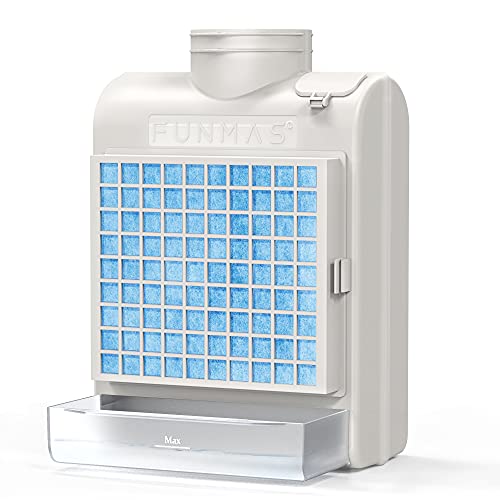
The FUNMAS features layered stainless steel mesh, polyester filters, and a moisture-collecting drawer.
The FUNMAS 3-in-1 Indoor Dryer Vent offers robust protection through its three-stage filtration system: stainless steel screen, polyester filter, and water tray. Designed for electric dryers, it handles high-moisture loads effectively.
Pros:
- Includes four replacement filters
- Captures both lint and condensation
- Upgraded safety flap prevents backdraft
Cons:
- Needs weekly water emptying
- May feel bulky in cramped areas
For those dealing with heavier laundry loads, this model provides solid coverage. Learn how to maintain yours alongside general home appliance care tips.
Ventifan Indoor Dryer Vent Kit – Complete Solution

The Ventifan kit includes everything needed for immediate indoor venting setup.
The Ventifan Indoor Dryer Vent Kit comes fully loaded with filtration tools, hoses, and extra filters. It’s perfect for renters or DIYers who want full control over their setup.
Pros:
- Comes with vent hose included
- Easy to assemble
- Extra filters provided
Cons:
- Slightly larger than standalone units
- Only works with electric dryers
Its modular approach makes troubleshooting easier—a benefit if you're new to indoor venting systems.
FlowVent Indoor Dryer Vent – Dual Filtration Performance

FlowVent’s elongated shape maximizes surface area for superior lint capture.
FlowVent focuses purely on air purity with its two-stage filtration unit. Unlike others, it avoids water altogether, streamlining cleanup while delivering strong particle removal.
Pros:
- Tall design increases airflow exposure
- Minimal moving parts mean fewer breakdowns
- Compatible with tight vertical clearances
Cons:
- Must monitor filter condition closely
- Limited compatibility with certain dryer exhaust ports
Best suited for tech-savvy users comfortable with periodic disassembly.
Dkenicor 3-in-1 Indoor Dryer Vent Kit – All-In-One Convenience
[ ](https://www.amazon.com/dp/B0D7C95PYX?tag=shoppier20-20&linkCode=ogi&th=1&psc=1)
Dkenicor’s wide-format unit integrates all key filtration methods into a single enclosed box.
The latest offering from Dkenicor combines advanced engineering with thoughtful ergonomics. Featuring a front-loading water drawer, replaceable filters, and integrated exhaust port, it's designed for modern homes prioritizing convenience.
Pros:
- Wide base reduces tipping risk
- Easy-access filter chamber
- Energy-efficient thermal retention
Cons:
- Larger footprint may limit placement options
- Requires initial calibration step
If space allows, this premium pick balances usability and sustainability. Learn why pairing such devices with smart climate monitoring tools enhances overall comfort.
Feature Comparison Chart
| Feature | BetterVent | FUNMAS | Ventifan | FlowVent | Dkenicor |
|---|---|---|---|---|---|
| Filtration Type | Polyester + Screen | Dual + Water Drawer | Dual + Hose | Dual | Dual + Water Drawer |
| Requires Water | ❌ | ✅ | ❌ | ❌ | ✅ |
| Dimensions | 12" × 5" × 10" | 12.2" × 5.6" × 9.4" | 9" × 6" × 13" | 5.5" × 10" × 14.5" | 14.2" × 9.5" × 4.7" |
| Ideal Use Case | Minimalists | High Humidity Areas | Budget Buyers | Tight Spaces | Energy Conscious |
Source: U.S. Department of Energy recommends matching vent type to dwelling conditions for optimal performance.
How to Install Your Indoor Dryer Vent Correctly
Proper installation prevents leaks, improves airflow, and keeps indoor environments healthy. Follow these steps:
- Turn off power supply to your dryer.
- Disconnect the existing aluminum duct.
- Attach the exhaust hose to the dryer output securely.
- Connect the other end to the indoor vent unit.
- Seal joints with aluminum tape to prevent air escape.
- Position the unit on a flat, stable surface near the dryer.
- Ensure the water drawer (if applicable) sits level beneath the unit.
Avoid kinking hoses or forcing connections—they’ll wear out faster and compromise safety. Also, double-check clearance requirements before final placement.
Check local building codes, especially in multi-unit buildings where rules about indoor venting may apply. When in doubt, consult professionals listed by the National Association of Home Builders.
Maintenance Tips to Extend Unit Lifespan
Regular cleaning maintains peak performance and avoids costly replacements.
Daily Tasks:
- After each load, wipe exterior surfaces and empty water drawers if used.
Weekly Checks:
- Inspect filters for visible debris buildup.
Monthly Deep Cleaning:
- Remove filters and rinse with warm water; let dry completely before reinserting.
- Vacuum interior compartments gently with upholstery attachment.
Annual Review:
- Replace worn-out seals or damaged hoses immediately.
- Consider upgrading older models showing signs of strain (e.g., slower cycles).
A sudden spike in drying time often signals blockage—don’t ignore early warning signs.
Energy Savings & Environmental Benefits
Using an indoor dryer vent retains heat within the home, lowering reliance on central heating systems. According to the DOE, properly maintained electric dryers consume less energy when vented correctly.
However, excess moisture can strain HVAC systems in humid climates. Pair your vent with a dehumidifier or humidistat for climate balance. Explore our curated list of top-rated humidity control appliances to complement your setup.
Frequently Asked Questions
What Makes One Indoor Dryer Vent Better Than Others?
Key factors include filter density, ease of cleaning, size compatibility, and whether it supports water-free operation. Models with replaceable filters offer longer service life.
Is There Any Risk Using Indoor Dryer Vents?
Used correctly, they pose no danger. Just never bypass filters or neglect cleaning—they increase fire hazards and degrade air quality.
Do Gas Dryers Work With Indoor Vents?
No—all indoor vents reviewed here support electric dryers only. Gas models emit combustion gases that cannot be safely recirculated indoors.
Will Indoor Venting Increase Room Humidity?
Yes, particularly units featuring water drawers. Empty trays frequently and ensure adequate airflow to minimize mold growth risks.
Can I Use Any Exhaust Hose?
Stick to rigid or semi-rigid aluminum ducts rated for dryer applications. Flexible plastic hoses melt easily and aren’t recommended by UL standards.
Conclusion
Investing in the right indoor dryer vent boosts convenience while protecting indoor health. Whether you favor simplicity (BetterVent), triple-action defense (FUNMAS), or plug-and-play completeness (Ventifan), there's a match for every household.
Choose based on your dryer type, available space, and desired level of involvement. And remember: consistent maintenance separates great performance from frustrating setbacks.
Take the next step toward smarter laundry days—browse our laundry room improvement ideas for inspiration on integrating appliances seamlessly into your lifestyle.
. Discover practical upgrades like moisture-absorbing under-sink mats to keep surrounding areas dry, or consider wall-mounted organizers featured in our roundup of space-saving laundry essentials.
Pairing your indoor venting system with complementary products—from humidity-balancing humidifiers to stackable washer-dryer combos—can elevate daily routines without sacrificing square footage. Whether upgrading your toolkit or fine-tuning existing gear, informed choices lead to measurable improvements in comfort, cost-efficiency, and peace of mind.
Ready to optimize yours? Start with a trusted indoor dryer vent today—and take pride knowing cleaner air starts at home.