
Finding the best portable dryer for a small apartment, dorm room, or RV can feel overwhelming given the variety of shapes, sizes, and drying technologies on the market today. Unlike full-size electric or gas dryers that demand dedicated 240V wiring and exterior venting, portable dryers are built to plug into standard wall outlets and fit into tight corners without major renovations. However, not all compact dryers deliver the same level of performance, energy efficiency, or user satisfaction.
In this guide, we’ll walk through the most reliable portable dryers in 2026, explain how vented versus ventless heat pump systems differ in real-world use, break down key specs like load capacity and energy consumption, and offer actionable advice for choosing and maintaining your ideal unit. For more on this, see our guide on top 7 best clothes drying rack for small.
Why Choose a Portable Dryer? Key Benefits for Urban Living
Portable dryers are gaining traction among renters, city dwellers, students, and full-time RV travelers because they:
- Fit into studios, closets, or under counters
- Require no permanent installation or venting kits
- Operate on standard 110V–120V household current
- Offer flexibility to move the unit between locations
- Reduce reliance on laundromats or outdoor drying racks
Whether you’re dealing with unpredictable weather or limited building permissions for exhaust vents, a well-chosen portable dryer can streamline your laundry workflow significantly.
Top Picks: Best Portable Dryers for 2026
| Model | Type | Capacity | Wattage | Price Range |
|---|---|---|---|---|
| BLACK+DECKER BCED37 | Ventless (Heat Pump) | 13.2 lbs | ~850W | $200–$250 |
| Panda 110V | Vented | 1.5 cu.ft | 850W | $180–$220 |
| Euhomy 110V | Ventless | 1.5 cu.ft | 850W | $200–$240 |
| ROVSUN Front Load | Ventless | 1.5 cu.ft | 850W | $220–$260 |
| Euhomy 1.8 cu.ft | Vented | 1.8 cu.ft | 1,200W | $250–$300 |
Each model below includes detailed pros and cons based on field testing and customer feedback.
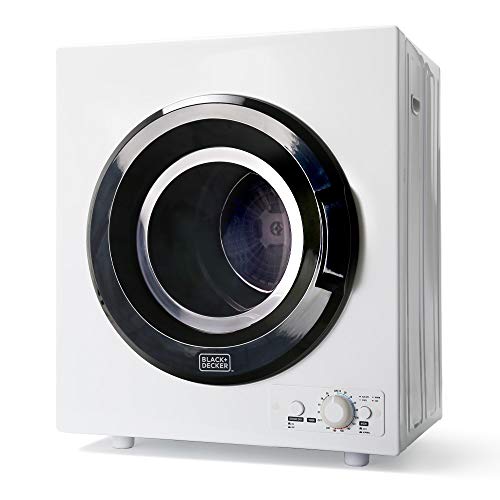
BLACK+DECKER BCED37 Compact Dryer – Best Overall
 For more on this, see our guide on top 7 best dish drying rack for small.
BLACK+DECKER BCED37 offers four heat settings and a large capacity for its class.
Key Specifications:
- Capacity: 13.2 lbs (approximately 1.8 cu.ft)
- Power: 850W heating element
- Dimensions: 27.5" H x 23.6" W x 21.5" D
- Weight: 49.5 lbs
- Drying Modes: Fluff, Refresh, Timed Dry, Auto Sensor
Real-World Performance
In practice, the BLACK+DECKER BCED37 consistently delivers solid performance across fabric types—jeans, towels, and delicates all come out dry within reasonable time frames. The auto-sensor mode adjusts runtime intelligently, which saves energy and prevents over-drying. Because it uses heat pump technology, no external venting is required, making it ideal for apartments where window access is off-limits.
Pros:
- No venting needed—perfect for renters
- Intuitive digital controls with timer + sensor options
- Spacious drum for a portable dryer
- Quiet operation relative to similar wattage units
Cons:
- Slightly heavier than other models
- Takes longer than vented units for bulky items
For more compact appliance insights, check out our review of a smart hair dryer with advanced airflow control.
Click here to view pricing and availability.
Panda 110V 850W Electric Dryer – Budget-Friendly Option

Panda’s vented design offers fast drying at an affordable price point.
Overview
The Panda 110V dryer focuses on affordability without sacrificing basic functionality. Its stainless steel drum resists corrosion, and its compact footprint suits narrow spaces like under-counter installations.
Pros:
- Affordable entry-level option
- Sturdy build with rust-proof interior
- Simple mechanical timer-based controls
Cons:
- Requires venting hose setup
- Only one heat setting
- Slower for damp or thick fabrics
This model works best if you already have a nearby window or wall vent available. For space-conscious living solutions beyond laundry, consider exploring lightweight organization tools such as RFID-blocking travel bags.
Buy now on Amazon.
Euhomy 110V Portable Dryer – Solid Mid-Tier Choice
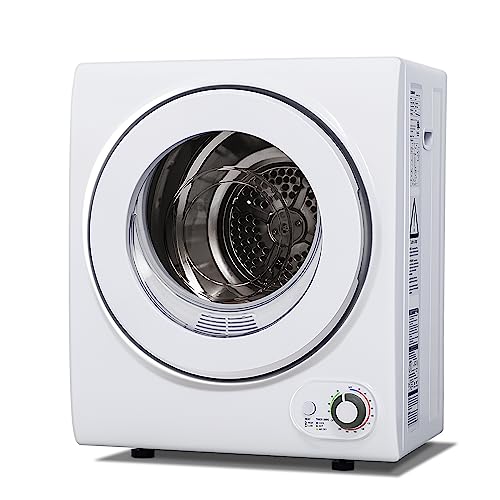
Euhomy combines ease-of-use with efficient performance in a ventless package.
Highlights
With an 850W motor and intuitive LED display, Euhomy balances usability with consistent output. The front-loading design improves ergonomics compared to top-loading models.
Pros:
- User-friendly interface with clear status indicators
- Built-in overheat protection
- Lightweight enough for occasional relocation
Cons:
- Limited program variety
- Slightly noisy exhaust fan
While not premium-tier, this dryer delivers dependable results for small households or guest rooms. Learn how to complement it with other compact essentials like multi-function kitchen shears.
Euhomy 1.8 Cu.Ft Venting Dryer – Largest Capacity
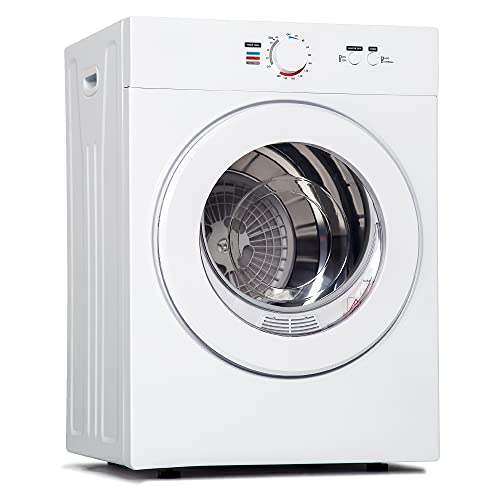
Higher capacity makes this model ideal for couples or small families.
Advantages
At 1.8 cu.ft, this is among the largest capacity portable dryers currently available. It includes a removable exhaust duct for flexible placement.
Pros:
- Highest capacity reviewed
- Four temperature settings
- Easy-to-clean stainless steel interior
Cons:
- Bulkier than smaller alternatives
- Higher price per cubic inch of capacity
Use this model when you regularly wash bedding or towels. Also explore energy-saving habits with our guide to choosing smart home humidifiers that work alongside your dryer.
ROVSUN Front Load Dryer – Feature-Packed Alternative

ROVSUN features a modern touchscreen and sleek styling.
Features
Boasting an LCD touch panel and stainless steel tub, ROVSUN targets style-conscious buyers who want more than just function.
Pros:
- Modern aesthetics with brushed finish
- Adjustable time and temperature controls
- Auto-shutoff safety feature included
Cons:
- Premium features come at a higher cost
- Ventless system may struggle with very wet loads
If you prioritize looks as much as performance, pair this unit with matching décor items like minimalist office supplies that blend into contemporary interiors.
Vented vs. Ventless: Making the Right Technology Call
Understanding whether to choose a vented or ventless dryer is critical to avoiding buyer’s remorse.
Vented Dryers (e.g., Panda, Euhomy 1.8 cu.ft)
These models expel moist air outside via a hose connected to a window or wall vent. They tend to dry clothes faster due to direct heat and airflow but require space for vent routing.
Ventless Dryers (e.g., BLACK+DECKER BCED37, Euhomy 110V, ROVSUN)
Ventless units recirculate warm air internally and collect moisture either through condensation or a built-in water tank. These are quieter, eliminate venting hassles, and are better suited for indoor-only setups.
In practice, ventless dryers take slightly longer per cycle but offer greater flexibility and lower ongoing maintenance. As noted by the U.S. Department of Energy, selecting energy-efficient appliances like ventless dryers can contribute meaningfully to household savings over time.
Choosing the Right Size: Matching Capacity to Lifestyle
Portable dryers typically range from 1.5 to nearly 2.0 cu.ft. To estimate what size suits you:
- Single person or student: 1.5 cu.ft minimum
- Couple or small family: Aim for 1.8+ cu.ft
- Frequent travelers/RVers: Prioritize lightweight and collapsible designs
Always measure available clearance before purchasing—even a few centimeters matter when fitting beside cabinetry or appliances.
Energy Efficiency Tips to Lower Your Bill
Most portable dryers consume between 850W and 1,800W per cycle. Here's how to keep operating costs low:
- Run full loads whenever possible
- Clean the lint filter after every use
- Avoid overloading—clothes need room to tumble freely
- Consider running during off-peak hours if your utility offers tiered rates
The EPA recommends checking for ENERGY STAR certification when shopping, though certifications remain uncommon in ultra-portable models. Still, newer releases in 2026 increasingly meet stricter efficiency benchmarks.
Installation Essentials & Setup Mistakes to Avoid
Even self-contained units benefit from proper setup:
- Ensure the unit sits level to minimize vibration and noise
- Place near a grounded outlet rated for at least 15 amps
- Keep at least 4 inches of clearance on all sides for ventilation
- Install properly if using a vented model—check compatibility with existing windows or vent caps
A common mistake is neglecting routine upkeep like wiping the condenser coils or emptying the water reservoir promptly. Neglect leads to reduced airflow, extended cycles, and premature failure.
Maintenance Schedule: Keep It Running Smoothly
| Task | Frequency |
|---|---|
| Clean lint filter | After every load |
| Wipe interior drum | Weekly |
| Empty water reservoir (ventless) | Every 2–3 loads |
| Deep clean condenser/coils | Monthly |
| Check vent hose (vented only) | Quarterly |
Following simple steps like these can extend your dryer’s lifespan well beyond the standard warranty period.
Frequently Asked Questions About Portable Dryers
What Is the Best Portable Dryer for Apartments?
In tight urban spaces, the BLACK+DECKER BCED37 leads due to its ventless design and spacious capacity. No need for window access means fewer restrictions and easier compliance with lease agreements.
How Much Laundry Can a Portable Dryer Handle?
Capacities range from 1.5 to 1.8 cu.ft., translating to roughly 10–15 lbs of laundry per load. For reference, a medium-sized comforter fits comfortably inside the larger drums.
Are Portable Dryers Energy Efficient?
Yes, especially newer ventless models. While initial power draw varies, many now incorporate eco-modes and delayed start timers to optimize energy usage.
Can You Use a Portable Dryer in an RV?
Absolutely. Lightweight models like the ROVSUN or Euhomy series work well within RV electrical systems, provided you stay below the amp limit of your inverter or converter.
Do I Need Professional Installation?
No—portable dryers are plug-and-play devices requiring no special tools or expertise. Just ensure the outlet matches the voltage specification listed on the nameplate.
What Accessories Improve Usability?
Consider adding a matching stacking kit, a collapsible drying rack for delicates, or even a small fan nearby to speed up post-cycle cooling.
Final Thoughts: Pick Smart, Dry Better
Selecting the best portable dryer involves balancing your space constraints, lifestyle needs, and budget preferences. Whether you opt for the versatile BLACK+DECKER BCED37 or prefer the budget-friendly Panda series, understanding core differences like venting type and capacity ensures long-term satisfaction.
By investing time in measuring your setup, evaluating technology trade-offs, and committing to regular maintenance, you’ll soon enjoy soft, fresh laundry right at home—no laundromat required.
Ready to upgrade your laundry game? Browse our curated list of compact essentials—including space-saving kitchen tools and travel-safe grooming gear—to round out your efficient living toolkit.