
Yes, a sump pump can be too powerful for your setup. An oversized pump causes short cycling, which stresses the motor and reduces its lifespan. The right size depends on your basin dimensions and expected water inflow, not just raw horsepower.
A 3/4 HP pump can move 50 to 65 gallons per minute at 10 feet of head pressure, but if your pit only holds 20 gallons, it shuts off after a few seconds every cycle. Per UL 758 standards, continuous short cycling voids most warranties within two years. So sizing matters more than brute force.
Why Oversizing Matters – Risks of a Too-Powerful Sump Pump
An oversized pump creates a cascade of problems that hurt performance and longevity. Here's what happens when you install a unit that outmatches your basin and inflow rate.
Short Cycling Damages Motors
When the pump handles far more water than your pit collects, it shuts off within seconds. This rapid on-off pattern repeats dozens of times daily. Each startup draws a surge of current that overheats internal windings.
Per NEMA MG-1 standards, this thermal stress accelerates insulation breakdown, leading to premature failure. Most manufacturers warranty coverage excludes short-cycle damage unless paired with a delay-start controller.
Inlet Flow Starvation Causes Cavitation
High-powered impellers demand consistent water volume. If inflow can't match output, the pump runs dry briefly during each cycle. This creates vapor bubbles that collapse violently inside the housing, pitting metal surfaces.
Over time, this reduces efficiency and can crack the impeller.
Float Switch Malfunction From Rapid Water Level Changes
Tethered float switches rely on stable water levels to trigger reliably. Rapid drawdown from an oversized pump causes the float arm to jerk, sometimes activating incorrectly or jamming. This leads to either constant running or no operation at all.
| Risk Factor | Consequence | Prevention |
|---|---|---|
| Short cycling | Motor burnout, voided warranty | Use wider hysteresis or delay timer |
| Flow starvation | Cavitation, impeller damage | Match GPM to pit recovery rate |
| Float instability | Erratic on/off behavior | Install widelobe float arms |
How to Properly Size Your Sump Pump
The correct method starts with measuring your physical basin, not guessing based on horsepower. Follow these steps to match your pump's capacity to actual needs.
Step 1: Measure Your Sump Basin
Use a tape measure to record basin diameter and depth. Minimum recommended size is 18 inches wide by 24 inches deep, per IWPC installation guidelines. Smaller pits restrict proper float travel and increase short-cycle risk.
Step 2: Calculate Total Dynamic Head (TDH)
Add your vertical discharge height plus friction losses from pipes and fittings. Every 90-degree elbow adds the equivalent of 5 feet of extra head. Use online calculators aligned with Hydraulic Institute standards for accuracy.
Step 3: Estimate Inflow Rate
During peak storms, note how quickly water enters. If your pit fills 6 inches in 10 minutes, that equals roughly 20 GPM. Choose a pump rated for 15 to 25 GPM at your calculated TDH to allow safe margin.
| Basin Size | Max Recommended GPM | Suitable HP Range |
|---|---|---|
| 18"x24" | 30–40 GPM | 1/3–1/2 HP |
| 24"x30" | 50–65 GPM | 1/2–3/4 HP |
| 30"x36" | 80+ GPM | 3/4–1 HP |
If your basin sits below the water table in clay soil or high-rainfall zones, consider stepping up one size category for safety margin. The goal is full cycles every few minutes, never continuous operation, which indicates undersizing, nor rapid cycling, which indicates oversizing.
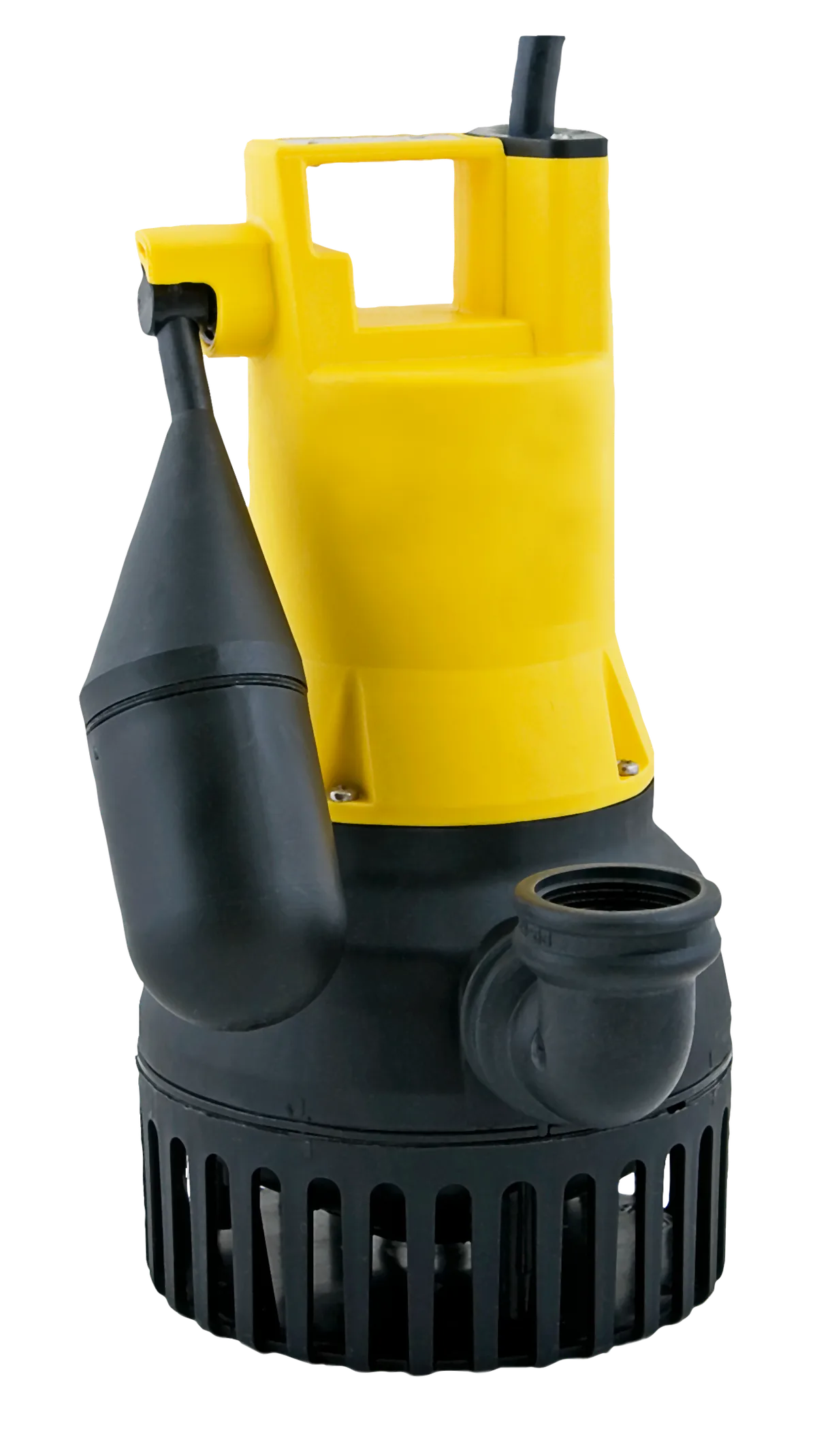
Signs Your Sump Pump Is Too Strong for Your Setup
Recognizing oversizing early prevents costly repairs and keeps your basement dry. Watch for these red flags during normal operation.
It Runs for Less Than 10 Seconds Per Cycle
A properly sized pump should run one to three minutes per activation. Anything faster means short cycling. Count cycles over an hour: if the pump activates more than six times during moderate rainfall, it’s likely oversized.
The Basin Never Fills Completely Before Pumping Starts
This indicates the pump clears water faster than gravity can replenish it. You'll hear repeated clicking or quick bursts instead of steady operation. Left unchecked, this damages float mechanisms within months.
Unusual Noises During Startup
Cavitation produces a gravelly or crackling sound. Run dry briefly then refill, if you hear this regularly, your pump lacks sufficient inlet flow for its power level.
Warm Pump Housing After Brief Operation
Electrical heating occurs normally, but excessive warmth after under-a-minute runs signals motor strain. Touch-test the exterior housing after a cycle. Heat retention beyond ambient temperature suggests electrical stress.
Frequent Breaker Tripping on Startup Surge
Massive startup current from oversized motors can overload circuits. If resetting trips again immediately, the breaker may be undersized, or the pump draws too much initial power.
For professional confirmation, consult ASHRAE Journal guidelines on residential dewatering loads. Their technical standards provide verified formulas for calculating realistic inflow rates based on local soil permeability and rainfall data rather than anecdotal assumptions.
FAQs About Sump Pump Power and Sizing
What happens if my sump pump is too powerful?
Short cycling occurs when an oversized pump empties the basin too quickly, causing frequent on-off cycles that overheat the motor and void warranties.
Can I adjust a sump pump that is too strong?
Install a wider-hysteresis float switch or programmable delay timer to extend run times and prevent rapid cycling.
Is a higher HP sump pump always better?
No, mismatched horsepower leads to inefficiency, noise, and premature wear. Always size based on basin volume and expected inflow.
How do I know what size sump pump I need?
Measure basin dimensions, calculate TDH in feet, estimate inflow in GPM, then match pump curves from manufacturer specs.
What is the ideal run time for a sump pump?
Aim for 1 to 3 minutes per cycle with 10 to 20 seconds between activations during steady rainfall conditions.
Should I upgrade my pump for heavy rain seasons?
Only if your basin and discharge system can handle increased flow without short cycling or freezing risks during winter months.