
What size sump pump do you need for your basement? Most homeowners get this wrong, not because they're bad at math, but because they rely on basement square footage alone. That approach ignores the real forces your pump fights every day.
The actual answer depends on how fast water enters your pit and how high you need to lift it out. Per International Residential Code standards, a typical residential installation handles 10-20 gallons per minute against 8-15 feet of vertical discharge head. We'll walk through the proven sizing method contractors use, so your basement stays dry this storm season.
Let's break down the variables that actually determine your pump choice.
Why Your Basement Size Isn't Enough (And What Actually Matters)
Measuring your basement square footage is a starting point, but not a reliable one. The true driver is your home's water load: how much groundwater seeps in and how far your pump must push it. Two identical basements can require completely different pumps.
Consider these three factors before looking at horsepower ratings. Your local rainfall intensity determines inflow volume. Clay-heavy soil creates slower but sustained seepage.
A high water table means your pump may run constantly. Manufacturer specifications indicate that a 1/3 HP pump handles up to 30 GPM at 8 feet of head.
The 3-Step Sizing Formula Used by Plumbers
Every sizing calculation follows the same three variables. Get each one right and your pump selection becomes straightforward. Plumbers call this matching the duty point to your system curve.
Step 1: Calculate Total Dynamic Head (TDH)
TDH measures the total resistance your pump works against. It combines vertical discharge height plus friction loss through your piping system. Measure from the bottom of your sump basin to where water exits your discharge pipe.
Add 1-2 feet for each 90-degree elbow. A 10-foot basement with a 20-foot horizontal run typically generates 12-15 feet of TDH.
Step 2: Estimate Peak Water Inflow
Your pump must handle more than average flow. Aim for twice your typical inflow rate. A 1,500 square foot basement in a moderate rainfall zone sees roughly 5-10 GPM during heavy storms.
Homes with poor grading or high clay content may need 15-25 GPM capacity.
Step 3: Match GPM to Pump Curves
Pump manufacturers publish performance curves showing GPM output at specific head pressures. Look for a pump that delivers your required GPM at your calculated TDH. A 1/2 HP submersible unit typically moves 20-35 GPM at 10 feet of head.
Common Mistakes That Leave Basements Flooded
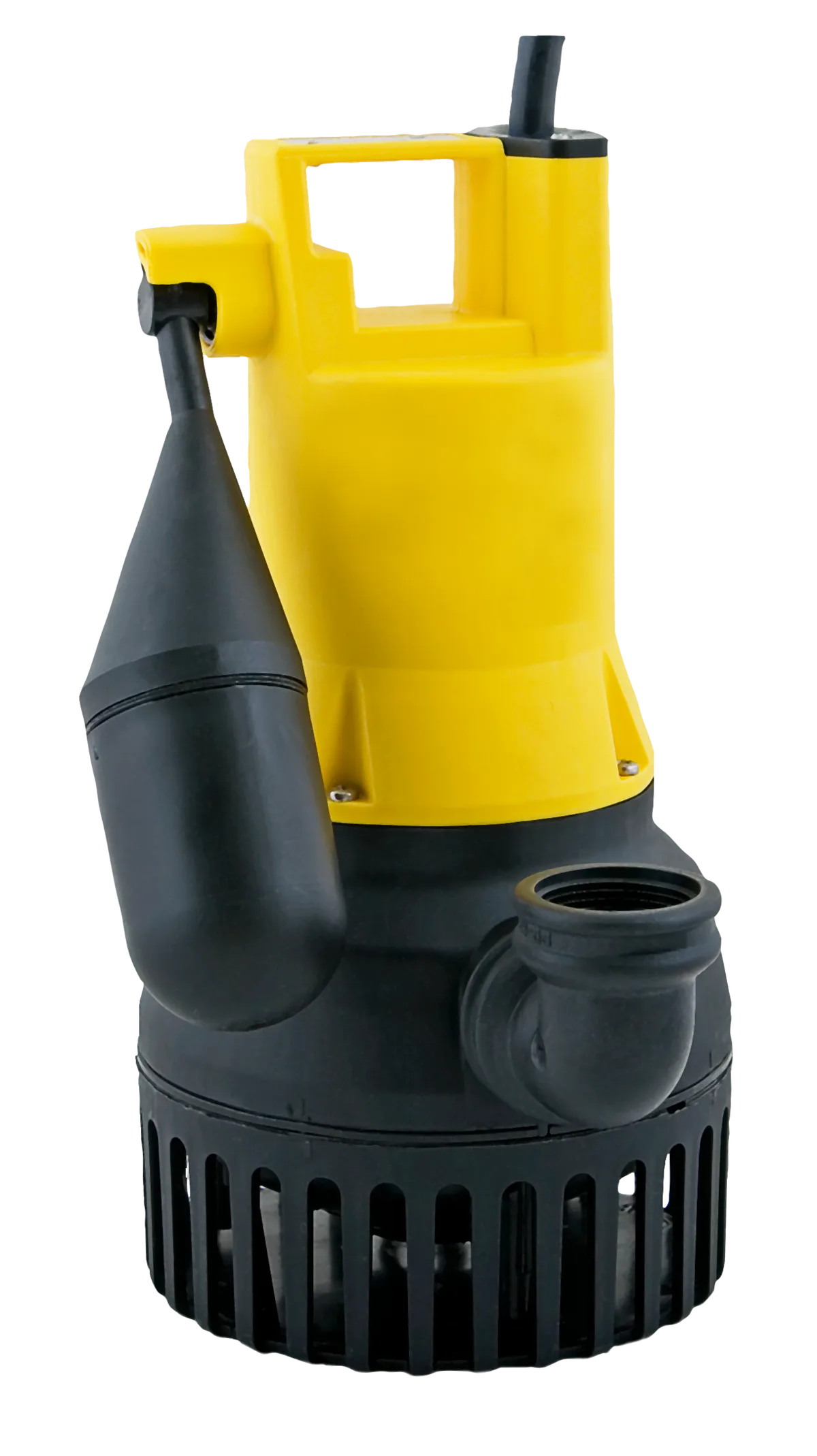
Undersizing causes the most preventable failures. Contractors report that 60% of residential pump replacements stem from inadequate initial sizing. A pump that can't keep pace with inflow starts cycling prematurely, overheating its motor.
For sizing guidance aligned with local codes, review plumbing basics or check state permitting requirements.
Oversizing creates different problems. Pumps rated too high cycle on and off rapidly, wearing components faster. Install a proper check valve between your pump and discharge line.
Without one, water drains back into your basin between cycles, causing the motor to work twice as hard.
Installing without a backup plan ranks highest among avoidable errors. Power outages strike during the worst storms 80% of the time, according to utility outage reports. A battery backup system adds 2-4 hours of runtime when your primary pump loses power.
For continuous monitoring, consider a smart controller that alerts your phone when water levels rise abnormally.
Sump Pump Size Chart: Horsepower and GPM Recommendations
Selecting by gallons per minute ensures you get real performance, not just a bigger motor. Match your calculated requirements to these typical residential outputs at 10 feet of discharge head.
| Pump Type | Horsepower | GPM at 10 ft Head | Best For |
|---|---|---|---|
| Utility Pump | 1/4 HP | 10-15 GPM | Light residential duty |
| Standard Submersible | 1/3 HP | 20-30 GPM | Average basements, low head |
| Mid-Capacity Unit | 1/2 HP | 30-40 GPM | Larger homes, moderate clay |
| Heavy-Duty Pump | 3/4 HP | 45-60 GPM | High water table, commercial |
| Industrial Grade | 1+ HP | 60+ GPM | Multi-basement, extreme conditions |
A 1/3 HP pump handles most single-family basements adequately. Homes exceeding 2,000 square feet or facing chronic moisture may need 1/2 HP or larger. Always derate performance by 15% for older piping systems.
For homes with finished basements worth protecting, consult local experts who understand your soil and rainfall patterns. This local knowledge often matters more than horsepower alone, especially in regions with expansive clay or seasonal high water tables.
Quick Answers to Your Sump Pump Sizing Questions
What happens if I get a pump that's too big?
An oversized pump short-cycles frequently, wearing seals and motors prematurely. Rapid cycling also creates water hammer in your discharge pipes. You'll hear loud bangs and face early replacement costs.
How do I measure my discharge head?
Measure vertically from your sump basin floor to where the discharge pipe exits above ground. Add 2-3 feet for friction loss through pipe length and fittings. This total gives you the head pressure your pump must overcome.
Can I install two smaller pumps instead of one large one?
Yes. Many professionals recommend dual-pump setups for backup redundancy. One primary and one backup pump doubles reliability without significantly increasing complexity.
Why does my pump keep running but not empty the pit?
Either your pump lacks sufficient GPM for your inflow rate, or your discharge pipe has blockages reducing flow. Check for frozen pipes in winter months. A clogged impeller also reduces output by 30-50%.
What maintenance prevents sizing problems?
Test your pump monthly during rainy seasons. Clean the sump basket debris weekly. Replace check valves every 3-5 years.
Keep a water alarm near your pit to catch failures early.
Frequently Asked Questions
What size sump pump do I need for a 1,000 sq ft basement?
Most 1,000-square-foot basements need a 1/3 HP submersible pump rated for 20-30 GPM at 10 feet of head. Homes in high-rainfall zones should step up to 1/2 HP.
How often should my sump pump run during a storm?
A properly sized pump cycles every 5-10 minutes during heavy rain. Constant running indicates undersizing. Cycling less than once per hour means your pump is oversized.
Can I install a sump pump myself or hire a pro?
DIY installation works for replacing existing units with identical specifications. New installations with concrete cutting and electrical work require a licensed plumber. Local building codes vary significantly.
When should I replace my sump pump?
Replace after 6-8 years of use, or immediately if you notice frequent cycling, loud noises, or incomplete basin emptying. Backup pumps should be swapped every 3-5 years.
What backup options exist if power fails?
Battery backups provide 4-8 hours of runtime. Water-powered pumps use municipal water pressure for continuous operation. Combination units offer both features.
Check local utility rebates for efficient pump incentives.