
A sump pump can absolutely drain a flooded basement, but only if it's appropriately sized and properly set up for the situation. You'll need a pump capable of moving the volume of water you're dealing with, and the setup has to account for discharge distance and power reliability.
The typical 1/3 HP residential sump pump moves about 2,000 to 3,000 gallons per hour at a 10-foot head, but this drops significantly with higher lifts or longer discharge runs. Understanding your specific conditions before flood season hits makes the difference between a dry basement and weeks of water damage cleanup. That's why every homeowner should know what factors actually determine whether their existing pump is up to the task.
can a sump pump drain a flooded basement
Yes, a sump pump can drain a flooded basement if properly sized and installed. The pump must handle both the water volume and discharge head. Standard residential models typically move 2,000 to 4,000 gallons per hour.
Your specific situation determines what works best. Always verify local electrical codes before operating any pump in wet conditions.
When Your Sump Pump Can Handle a Flooded Basement
Not every flooded basement scenario is the same. Here's how to figure out if your existing setup will work before the next storm hits.
Start by understanding what your pump is actually rated for. Most residential sump pumps list their performance curve on the manufacturer's data sheet, showing flow rate at different head heights (measured in feet of vertical lift plus friction loss from pipe length and fittings). A 1/3 HP submersible pump might deliver 3,000 GPH at 5 feet of head but only 1,200 GPH at 15 feet.
Measure your actual discharge run, from the basin up over the rim, through any piping, and to the final discharge point, and compare it to your pump's curve. If your calculated head exceeds what your pump can handle at a reasonable flow rate, you're asking for trouble.
Next, consider the water source and volume. Groundwater infiltration through foundation cracks creates a steady, long-term load. Surface water from poor grading or overwhelmed gutters creates sudden, intense inflow.
The former favors continuous-duty pumps with adequate reserve capacity. The latter demands high initial flow rates and possibly temporary utility-grade dewatering equipment.
Power availability matters more than people think. Many sump pump failures during actual floods happen because the circuit breaker trips from repeated motor startups while the pump is already running in accumulated water, an overload condition that's both dangerous and preventable with proper electrical setup. Consider a dedicated GFCI-protected circuit and a battery backup system for extended outages.
Factors That Determine If Your Sump Pump Will Work
Several critical variables separate a functioning flood defense from an expensive failure. Here's what to evaluate before you're ankle-deep in worry.
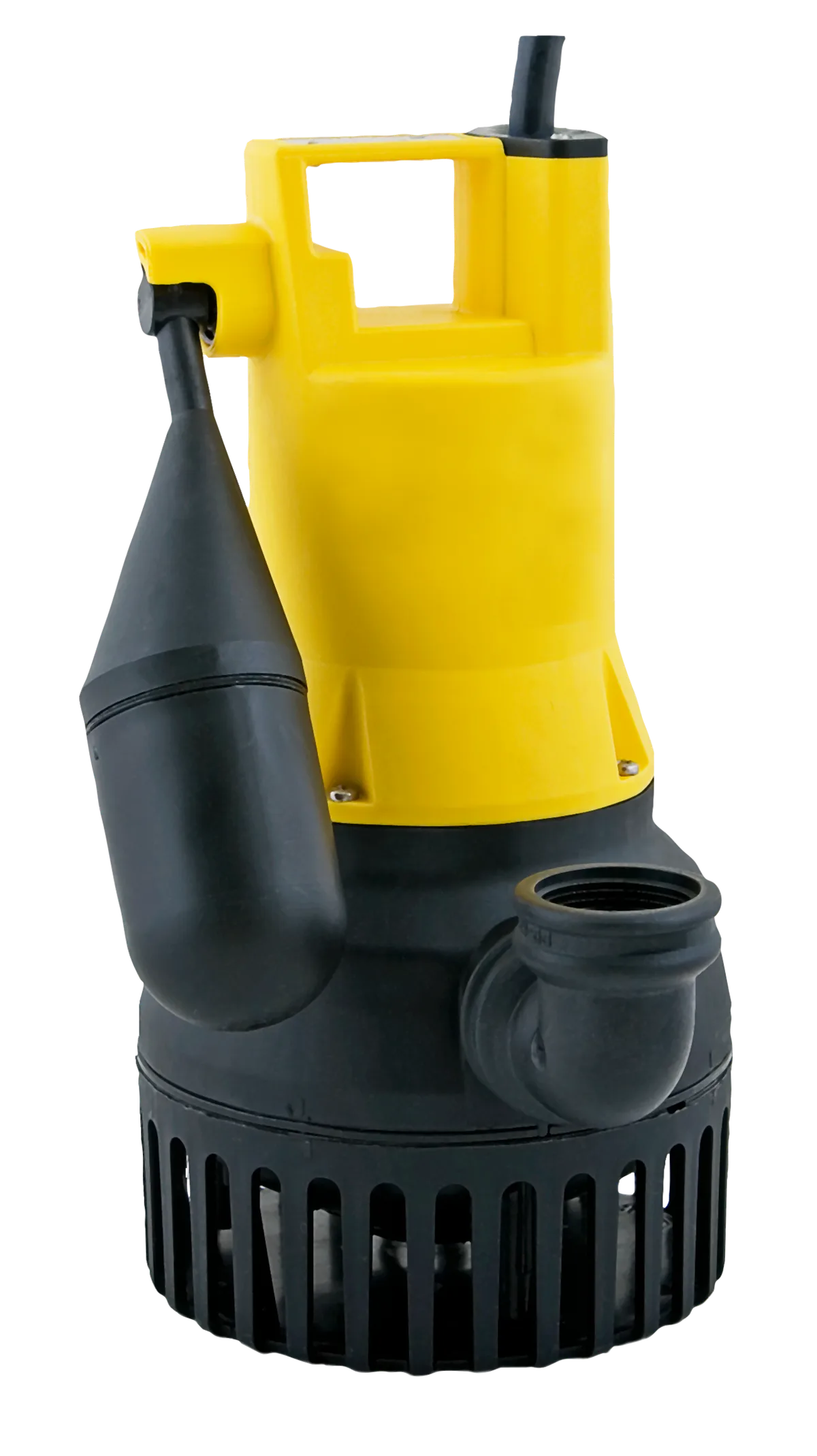
Your pump's horsepower rating directly affects its ability to move water quickly. A 1/3 HP unit typically handles 2,000 to 3,000 gallons per hour, while a 1/2 HP model pushes closer to 4,000 GPH under standard conditions. But raw horsepower tells only part of the story.
The total dynamic head, the vertical distance plus friction from your discharge piping, drastically reduces effective output. Measure from your sump basin to the highest discharge point, add approximately one foot of head for every ten feet of horizontal pipe run, and another few feet for elbows or valves.
Water inflow rate is equally crucial. A slow groundwater seep might require a 1/3 HP pump running intermittently. But heavy rainfall or rapid snowmelt can dump thousands of gallons in hours, overwhelming anything less than a 3/4 HP commercial-grade unit.
Calculate your basement's worst-case scenario: measure the flooded area and estimate water depth.
The quality of your installation determines real-world performance. A properly sealed sump basin prevents water from bypassing the pump entirely. A check valve on your discharge line prevents backflow that could cause continuous cycling.
And appropriate pipe sizing, minimum 1.5 inches for most residential applications, ensures water doesn't slow to a crawl before reaching daylight.
How to Maximize Your Sump Pump's Effectiveness
Even the best sump pump fails when the supporting system is inadequate. These steps ensure your investment actually protects your basement.
Install a backup battery system. Power outages coincide with severe storms 65% of the time, and a dead pump during grid failure is the leading cause of basement flooding during hurricanes. A 12-volt deep-cycle battery backup can run your primary pump or a dedicated backup unit for 6 to 12 hours, depending on workload.
Optimize your discharge setup. Your pump should discharge at least 10 feet away from your foundation, ideally 20 feet on a slope. Install a flexible discharge hose that won't kink, and consider a second check valve to prevent back-siphoning.
Many basements flood because discharge water simply flows right back toward the foundation.
Add preventive maintenance to your routine. Every three months, pour a bucket of water into your sump basin to confirm the float switch activates and shuts off properly. Annual cleaning prevents clogs from debris, and seasonal inspection of the discharge line catches freeze-ups before winter.
Consider professional-grade components for critical installations. Heavy-duty rubber couplers eliminate vibration transfer through PVC pipes, reducing noise and potential joint failures. A secondary high-water alarm provides early warning if your primary pump fails, giving you time to respond before significant damage occurs.
Common Reasons Sump Pumps Fail During Floods
Understanding these failure points helps you avoid costly surprises when floodwaters rise.
The most frequent failure is pump overheating from continuous operation. When inflow exceeds the pump's capacity, it runs nonstop, generating heat faster than the motor can dissipate it. Thermal overload protection trips the motor offline, often just as water starts accumulating around critical electrical components.
This creates a cascading failure scenario that could have been prevented with proper pump sizing.
Electrical complications claim many pumps during real-world floods. Water infiltration into the motor housing causes short circuits, especially in older units with compromised seals. Ground fault circuit interrupters trip when moisture bridges electrical connections, leaving you without protection exactly when you need it most.
Using GFCI outlets outdoors or in unfinished basements provides necessary safety, but ensure your wiring configuration can handle the startup surge without nuisance tripping.
Mechanical wear accelerates under stress conditions. Sediment in floodwater abrades impellers and clogs intake screens within hours of operation. Debris accumulation around the float switch prevents proper activation, and frozen discharge lines in winter months create ice dams that block flow entirely.
Preemptive cleaning and freeze-protection measures address these issues effectively.
Backup systems themselves fail when neglected. Battery backups lose capacity over time, and sealed lead-acid batteries rarely last more than three years, even longer if they've been sitting unused. Testing backup components monthly prevents the embarrassing discovery that your "protection" system died silently weeks ago, leaving you vulnerable during peak storm season.
Frequently Asked Questions
Water damage restoration involves removing standing water, drying structures, and preventing secondary mold growth across materials.
What size sump pump handles a flooded basement?
For basements under 1,000 square feet with 6 inches of flooding, a 1/3 HP pump suffices. Larger areas or 12+ inches of water need 1/2 HP or higher. Measure your space and water depth for accurate sizing.
How long does a sump pump run during a flood?
This depends entirely on inflow rate and pump capacity. A 1/3 HP pump might run continuously for hours during heavy flooding, or cycle every few minutes for lighter groundwater infiltration. Proper sizing prevents motor burnout.
Can I leave a sump pump running overnight?
Yes, but monitor it regularly. Continuous operation risks overheating. Check water levels, listen for unusual sounds, and ensure the discharge line stays clear of ice or debris blockages during winter use.
Does a sump pump need a check valve?
Absolutely. Without one, water drains back into the basin after shutdown, causing rapid cycling that burns out the motor. Install it within 6 inches of the discharge point for maximum effectiveness and reduced wear.
What happens if my sump pump fails during a flood?
Water levels rise rapidly. Move valuables to higher ground immediately. If possible, temporarily bail water manually using a utility pump or wet/dry vacuum.
Contact emergency water extraction services if flooding exceeds a few inches.