
Can a sump pump be installed outside? Yes, but only when properly sealed against moisture, connected to a reliable power source, and placed in a frost-proof location. Outdoor units differ from indoor sump pumps because they must handle weather exposure, debris, and temperature swings.
The main goal is moving groundwater away from your foundation without freezing in winter or overheating in summer.
can a sump pump be installed outside
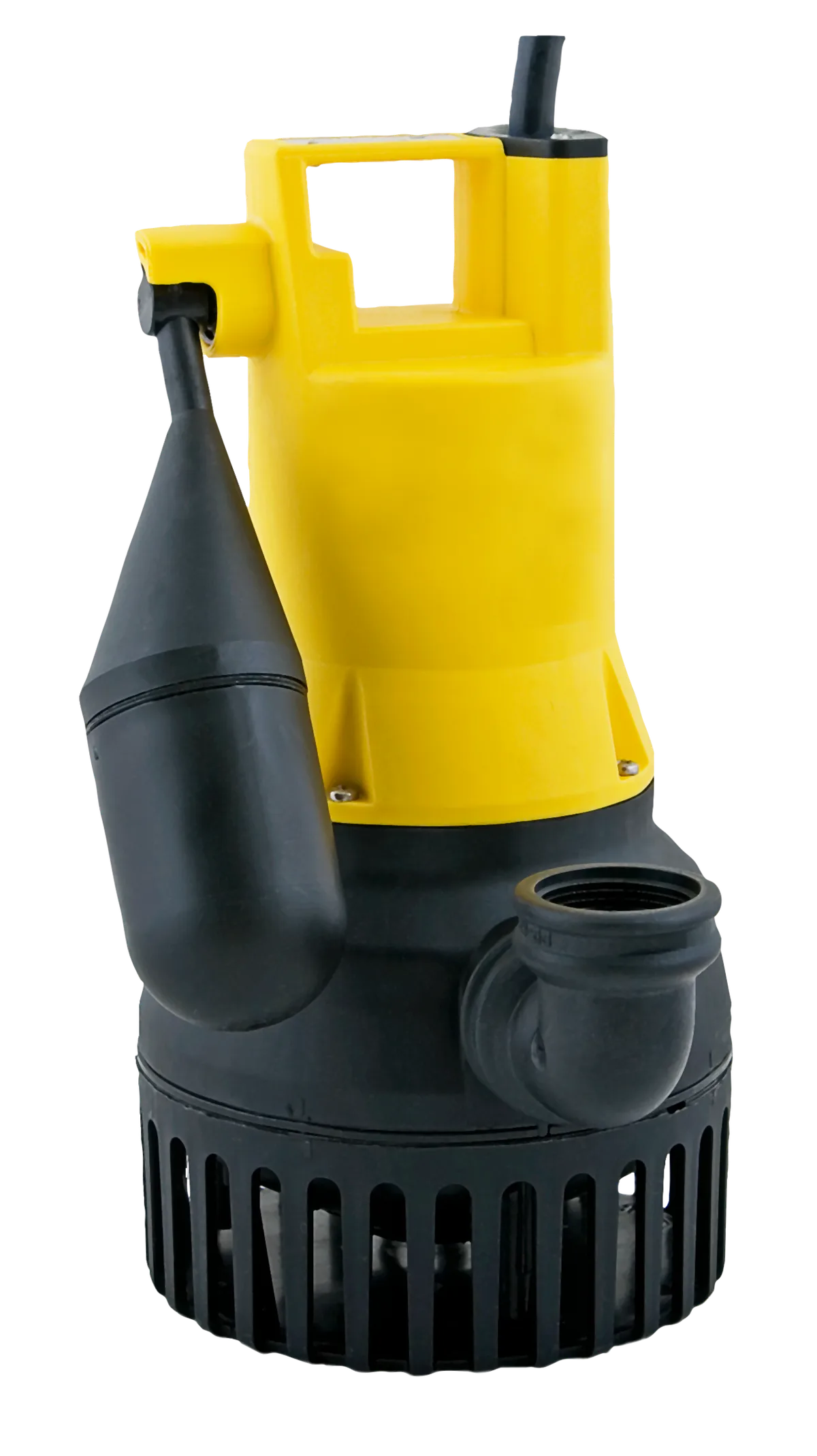
Yes, a sump pump can be installed outside. It must be weatherproof and frost-proof. A submersible pump works best outdoors.
Proper sealing prevents water damage. Outdoor installation requires local code compliance. Always hire a licensed contractor for electrical work.
Ground fault circuit interrupter (GFCI) outlets are mandatory for safety. Freeze protection is essential in cold climates. Check local building codes before installing.
An outdoor sump pump can prevent basement flooding. Regular maintenance ensures reliable operation.
The Hidden Factors That Make or Break an Outdoor Sump Pump
Several environmental and structural factors determine whether an outdoor sump pump installation succeeds or fails. These aren't just theoretical concerns. They're measurable conditions that directly impact performance, reliability, and longevity.
Here's what you need to know:
Climate and Freeze Risk
Outdoor sump pumps face freezing temperatures in winter. Water left standing in the pump or discharge line can freeze solid. This stops drainage completely and may crack the pump housing.
Key freeze-risk factors:
- Ambient temperature: If your area drops below 20°F (-6°C) for more than 48 hours, standard pumps are at risk
- Wind exposure: Exposed locations increase heat loss and freezing likelihood
- Basin depth: Shallow basins (<18 inches) freeze faster than deeper ones
- Discharge pipe routing: Horizontal runs above ground are vulnerable to ice blockage
Soil Conditions and Water Table
Your soil type affects how water flows toward your pump. Clay soils drain slowly but hold more water. Sandy soils allow quick drainage but may require more frequent pumping.
High water tables increase pump workload year-round.
Consider these measurements:
- Percolation rate: How fast water disappears after rainfall
- Soil pH: Acidic soils can corrode pump components faster
- Drainage patterns: Natural slopes directing water toward your foundation
- Seasonal changes: Spring thaw and heavy rains spike water levels
Step-by-Step: Installing a Sump Pump Outside Without Freezing or Failing
Installing a sump pump outside requires careful planning. Rushing the process leads to costly repairs later. Follow these steps for a reliable installation:
Step 1: Choose the Right Location
Select a spot at least 10 feet from your foundation. The area should have good drainage and remain accessible year-round. Avoid low spots where water pools.
Ensure the ground slopes away from your home.
Step 2: Dig the Sump Basin
Excavate a hole deeper than your frost line. In most northern regions, this means 36 to 48 inches deep. The basin diameter should be at least 18 inches.
Line it with landscape fabric to prevent soil intrusion.
Step 3: Install the Pump
Place a 2-inch layer of gravel at the basin bottom. Set the pump on a stable platform. Connect the discharge pipe to the pump outlet.
Ensure all connections are watertight. Route the pipe at least 10 feet from your foundation.
Step 4: Wire the Electrical Connection
Run underground-rated electrical cable to a GFCI outlet. Bury the cable at least 18 inches deep. Install a junction box above ground for easy access.
Never connect the pump directly to household wiring without proper protection.
Step 5: Test and Secure
Fill the basin with water to check operation. Verify the float switch activates the pump. Secure all pipes and cables.
Backfill around the basin with soil. Grade the area to direct surface water away from the pump.
Common Mistakes That Turn Your Outdoor Pump Into a Money Pit
Even experienced DIYers make errors that compromise outdoor sump pump installations. These mistakes cost money through repairs, replacements, and water damage. Here's what to avoid:
Installing Too Shallow
Placing the pump above the frost line is the #1 cause of winter failures. When temperatures drop below 28°F, any water in the system freezes. Ice expands, cracking pipes and the pump housing.
Always dig below your local frost depth. The U.S. Department of Agriculture provides frost line maps for every state.
In Minnesota, that's 42 inches deep. In Florida, it's just 1 inch.
Poor Discharge Planning
Many homeowners neglect discharge pipe placement. Water must travel away from the foundation at least 10 feet. Discharging too close creates a loop where water returns to the basin.
Use rigid piping instead of flexible hose. Flexible hoses kink easily and restrict flow.
Skipping Electrical Safety
Connecting a sump pump to standard indoor outlets causes circuit overloads. Outdoor installations require dedicated GFCI circuits. Water and electricity create deadly combinations.
Always use weatherproof covers and underground-rated cables.
Ignoring Maintenance Access
An inaccessible pump becomes an expensive problem. Install the basin with a removable lid. Leave space around the pump for future servicing.
Check your local municipality's septic system maintenance regulations for additional guidelines. Schedule annual inspections to catch issues early.
Forgetting Backup Power
A single point of failure kills outdoor pump reliability. When the grid goes down during a storm, your primary pump stops. Install a backup battery system.
Size it to run your pump for at least 8 hours. Test the backup monthly. Replace backup batteries every 3 to 5 years, even if they appear functional.
Overlooking Debris Management
Leaves, dirt, and grass clippings clog outdoor pumps quickly. Install a proper inlet screen. Clean it weekly during fall and spring.
Consider a second check valve. Without it, water drains back into the basin. This causes short-cycling that burns out the motor prematurely.
FAQ: Your Top Questions About Outdoor Sump Pump Installation
How deep should an outdoor sump pump be installed?
Install the basin below your local frost line. This depth ranges from 1 inch in southern states to 42 inches in northern regions. Check your county's building code for exact requirements.
The pump itself sits on a 2-inch gravel base at the bottom.
Do outdoor sump pumps need special electrical connections?
Yes, outdoor installations require GFCI protection. Use underground-rated electrical cable buried at least 18 inches deep. Connect to a dedicated 15-amp circuit.
Never plug into a standard indoor outlet. Have a licensed electrician handle all electrical work.
Can I install an outdoor sump pump myself?
You can dig the basin and place the pump yourself. Electrical connections must be done by a licensed professional. In most jurisdictions, permits are required for outdoor electrical work.
Check with your local building department before starting.
How much does an outdoor sump pump installation cost?
Expect to pay between $500 and $2,500 depending on your location and site conditions. Permit fees typically run $50 to $200. Professional electrical work adds $200 to $600.
The pump itself costs $150 to $400 for a quality submersible unit.
What maintenance does an outdoor sump pump require?
Clean the inlet screen monthly during heavy use seasons. Test the float switch quarterly. Replace backup batteries every 3 to 5 years.
Have a professional inspect the system annually. Check discharge flow after major storms to ensure nothing shifted.