
can a sump pump drain a pond? technically yes. but whether it works depends on your pond size and the pump's specs.
The quick version: a sump pump moves water out of basements when pipes burst or groundwater rises. most residential units handle 30 to 50 gallons per minute. that's enough for small garden ponds (under 500 gallons) in emergencies. for larger ponds, you'll need to check the numbers carefully. per ASME standards, pump performance drops significantly beyond their rated head pressure, which matters when lifting water vertically out of a pond. the right approach depends on three variables: pond volume, desired drain time, and available outlet distance. we'll walk through each scenario below.
can a sump pump drain a pond
Yes, a sump pump can drain a pond if its flow rate exceeds the pond's volume divided by your target drain time. Most residential sump pumps deliver 20, 50 gallons per minute. A 300-gallon pond would take 6, 15 minutes to drain with these pumps.
Larger ponds need higher-capacity units or multiple pumps. Always match the pump's rated head pressure to your vertical lift. Never run a sump pump dry; it will overheat and fail quickly.
How Sump Pumps Actually Handle Pond Water
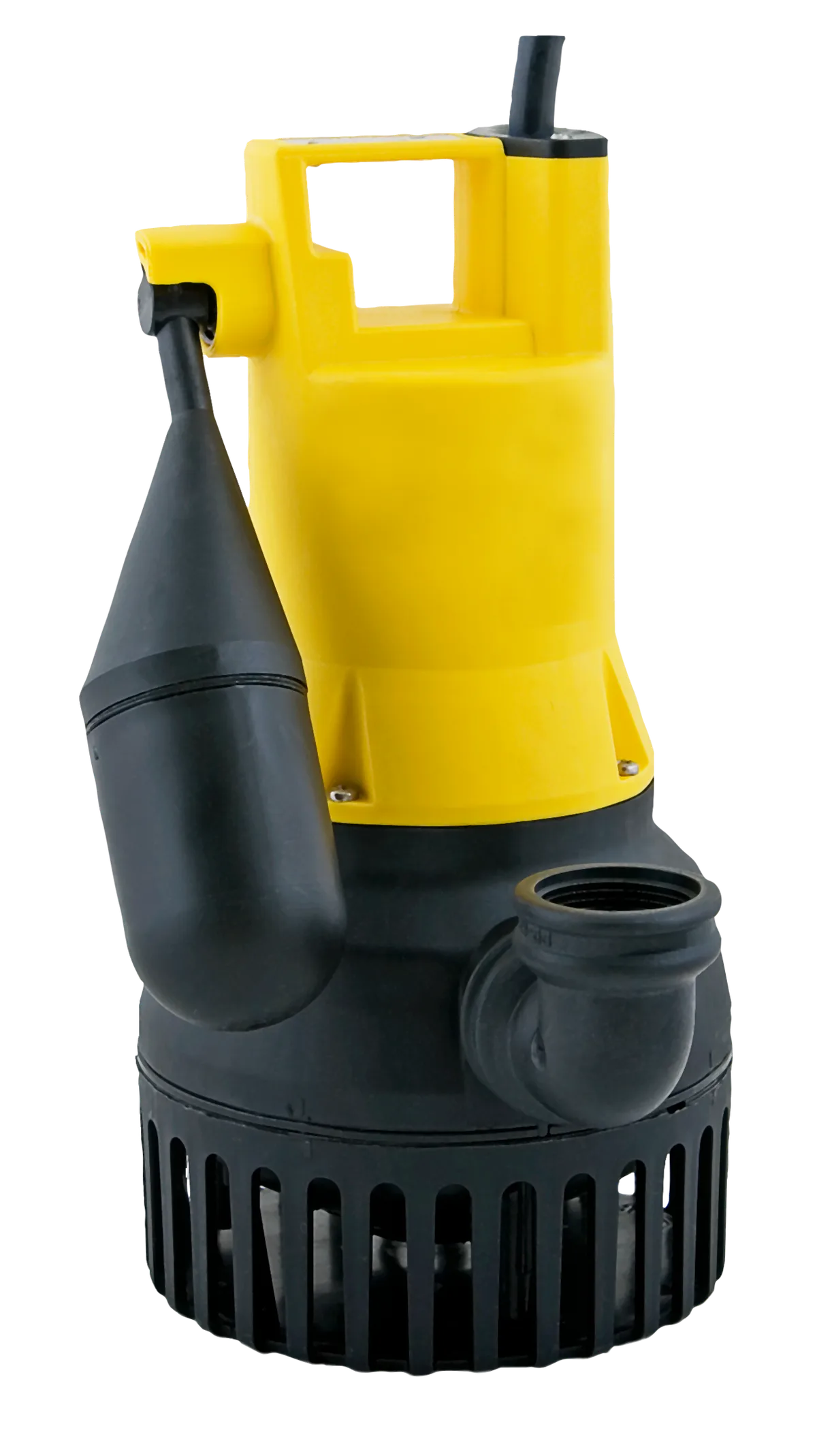
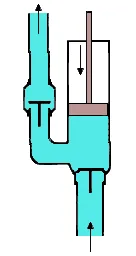
Sump pumps work differently from pond pumps in three key ways:
- Flow rate: Sump pumps move high volumes fast, ideal for emergency draining but not continuous operation.
- Head pressure: They're designed for vertical lifts up to 15, 20 feet, but flow drops sharply past 10 feet.
- Duty cycle: Built for intermittent use. Running continuously for hours can overheat the motor.
For comparison, a typical 1/3 HP sump pump delivers about 30 GPM at 5 feet of head. A standard pond pump rated at 1,000 GPH (16 GPM) moves slower but can run 24/7 without overheating.
If your pond is under 1,000 gallons, a sump pump works great for quick emergencies. Anything larger needs planning.
how to calculate pond volume walks through measuring irregularly shaped ponds accurately.
When a Sump Pump Can (and Can't) Work
This table breaks down realistic scenarios based on pump capacity and pond size:
| Pond Size | Sump Pump Size | Drain Time | Verdict |
|---|---|---|---|
| Under 300 gal | 1/3 HP (30 GPM) | 10–15 min | Excellent for emergencies |
| 300–1,000 gal | 1/2 HP (40 GPM) | 15–30 min | Good for one-off draining |
| 1,000–3,000 gal | 3/4 HP+ (50+ GPM) | 30–60 min | Requires high-capacity unit |
| Over 3,000 gal | Standard sump pump | 2+ hours | Not recommended |
The limiting factors aren't just volume, they're lift height and discharge distance. Lifting water 8 feet vertically cuts a 1/3 HP pump's output by nearly half. Adding 50 feet of horizontal hose reduces it further.
A 1/2 HP utility pump with a 2-inch discharge port performs better for ponds because it handles both higher flow and longer runs. These units typically cost $150, $300 as of 2026.
Step-by-Step: Draining Your Pond Safely
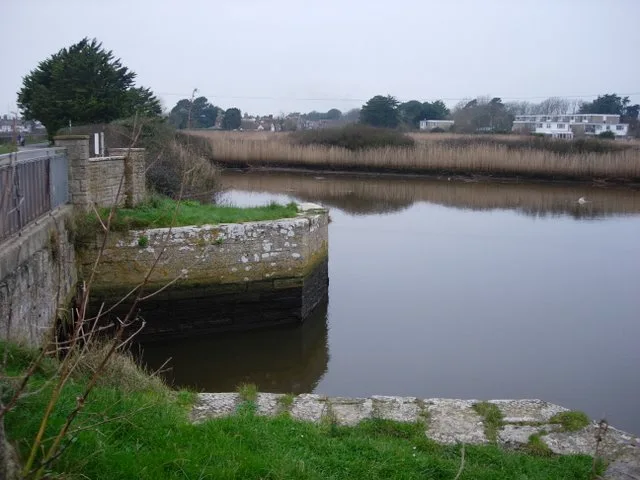
Before starting, calculate your pond's total volume. Use this formula for rectangular ponds: length × width × depth × 7.48 = gallons. Irregular shapes need multiple measurements broken into sections.
Next, verify your pump's rated performance at your actual lift height. Manufacturers publish curves showing flow reduction at different heads. most residential units lose 40, 60 percent flow at 10 feet of vertical lift.
Setup process:
- Place the pump at the deepest point, away from debris
- Attach a discharge hose at least as wide as the pump outlet
- Run the hose to your discharge location (never into storm drains)
- Plug into a GFCI-protected outdoor outlet
- Prime the pump if it's not fully submersible
- Monitor continuously, overheating damages motors in minutes
Safety note: never operate electrical equipment near water without proper grounding. pond electrical safety basics covers grounding requirements per NEC Article 680.
After draining, clean the pump intake screen and let the motor cool completely before storing. residual moisture trapped in sump pits can cause issues.
Frequently Asked Questions
Can I leave a sump pump running continuously to drain my pond?
No. sump pumps are built for intermittent duty cycles, typically 15, 30 minutes per activation. running one continuously generates excessive heat that can damage the motor windings within hours. for ongoing water management, use a dedicated pond pump designed for 24/7 operation. if you must drain a large pond, work in 15-minute intervals with cooling breaks between sessions.
What happens if I drain my pond completely with a sump pump?
Draining below the water level exposes the pump to air, causing it to run dry and overheat rapidly. most sump pumps have thermal overload protection that shuts them down automatically, but repeated cycling damages internal seals. always leave at least 2 inches of water above the pump intake. for complete pond cleaning, use a wet/dry vacuum or sponge to remove residual water.
How far can a sump pump push water horizontally?
Horizontal distance depends on pipe diameter and flow resistance. A 1/3 HP pump with 1½-inch discharge can move water 50, 100 feet horizontally with minimal loss. using a larger diameter hose (2-inch) extends this range significantly. friction loss becomes critical beyond 100 feet, reducing effective flow by up to 30 percent.
Do I need a check valve when draining a pond?
Yes, install a check valve on the discharge line to prevent backflow. when the pump shuts off, water in the hose drains back into the pond without a check valve, causing the pump to re-prime every cycle. this strains the motor and wastes energy. a simple spring-loaded check valve costs under $20 and installs inline between the pump and discharge hose.