
Can a sump pump be used in a garage? The short answer is yes, if your garage has the right floor setup and drainage path. Many homeowners want this fix because garages often flood during heavy rain or rapid snowmelt.
But here's what most people discover too late: garages are built differently from basements. That sealed concrete floor you love for durability? It also blocks water from seeping down to a pump.
Let me walk you through what actually matters before you buy anything.
A typical residential sump pump moves 20 to 40 gallons per minute at 10 feet of head, according to Zoeller and Liberty Pumps specifications. That's plenty for most garages, but only if the water can reach the pump in the first place. The real work isn't picking the right pump, it's preparing the space so the pump can do its job.
So let's look at when this setup truly works and when it won't.
Quick Answer: can a sump pump be used in a garage
Yes, a sump pump can be used in a garage if the floor allows water to drain toward a collection point. Garages with sealed concrete floors often need a drain installation first. You'll need a sump basin, check valve, and discharge pipe.
Local building codes may require permits. The pump must match your water volume and lift requirements. Professional installation costs $500 to $2,500 as of 2026.
Decision Factors: Floor Type, Water Issues, and Local Codes
The first thing to check is your garage floor. If you have a smooth, sealed concrete surface, water won't naturally flow toward any low spot. You'll need to create a collection area by breaking up the concrete and installing a sump basin.
This means using a demolition hammer or calling a pro with a concrete saw, it's messy work that generates a lot of dust.
Next, assess how much water you're dealing with. Occasional puddles from a car wash or melting snow need a small utility pump. Constant groundwater seepage during storms requires a full basements-style sump system with battery backup.
Measure the deepest water line after a heavy rain to size your basin correctly.
Local codes vary widely. Some municipalities require permits for any drainage work, while others have strict rules about where you can discharge water. Discharging into storm drains is illegal in many areas because it overwhelms treatment systems.
Check with your city's building department before starting any project.
| Factor | What You Need | Action Required |
|---|---|---|
| Sealed concrete floor | Drainage channel or basin | Break concrete, install basin |
| Minor water (occasional) | Utility pump (200-500 GPH) | Small basin, basic setup |
| Heavy groundwater | Full sump system (1/3 HP+) | Professional basin install |
| Building permit required | Permit application | Submit plans to city |
If you're not sure about floor conditions, look for existing cracks or low spots where water naturally collects. That tells you where a basin would sit best. For floors without any natural drainage, you'll need to cut a trench from the lowest corner toward where you plan to place the sump basin.
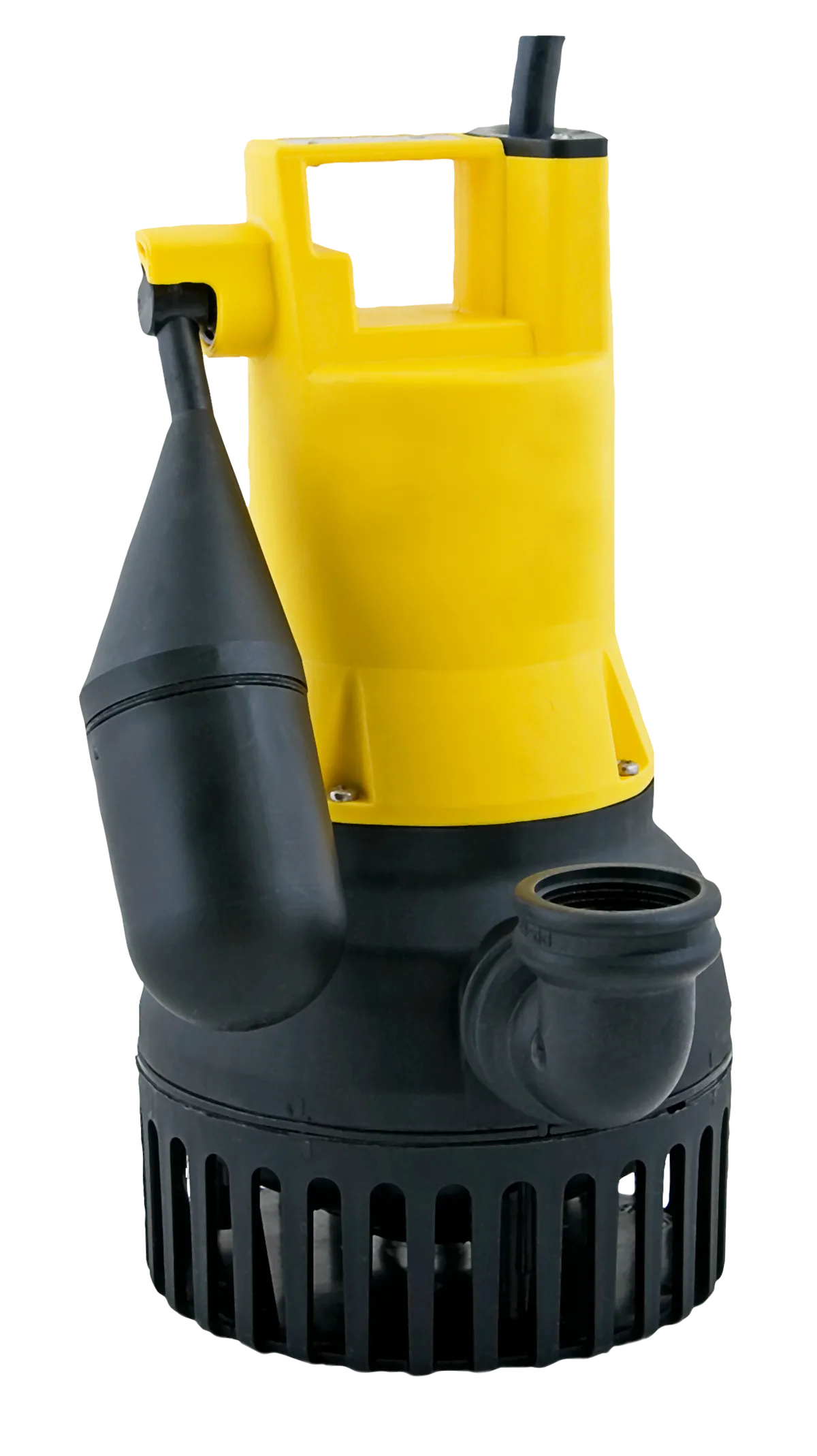
Image source: Wikimedia Commons / PumpExpert (CC BY-SA)
Installation Reality Check: What the Pro Job Actually Requires

Image source: Openverse / Richwoodflooring (PDM 1.0)
Installing a sump pump in a garage that wasn't designed for one means major modifications. You need to break up roughly a 2×2 foot section of concrete about 18 inches deep to create space for an 18-inch-wide sump basin. The basin connects to perforated pipe that collects water from around the garage floor perimeter.
This pipe typically runs 6 inches below the slab, which means cutting through rebar and dealing with any electrical conduits that might be in the way.
After placing the basin, you install the discharge pipe that carries water away from your foundation. This pipe needs a continuous downward slope and usually exits through the garage wall or ties into existing drainage. Most pros recommend at least 1.5-inch PVC pipe with a check valve installed vertically to prevent backflow.
The whole system gets backfilled with gravel, then the concrete patch goes back over it.
Electrical work is another consideration. Sump pumps draw significant power, usually between 500 and 1,500 watts, so you need a dedicated GFCI-protected circuit. If your garage has limited outlets, running new wiring means working with a licensed electrician and pulling permits.
Battery backup systems add another layer of complexity, requiring their own charging circuit and alarm connectivity.
A full professional installation typically takes one to two days, depending on how much concrete needs breaking and whether existing drainage can be incorporated. DIY installations save about $500 to $1,000 but carry real risks. Cutting into rebar weakens the slab, and mistakes with electrical work can cause serious safety hazards or void your home insurance.
The average homeowner spends 6 to 10 hours on concrete removal alone, not counting the pump setup itself.
Cost Breakdown: Typical Pricing for Garage Sump Pump Systems
The total cost depends heavily on whether you go with a basic utility pump or a full basement-style system. A simple utility pump for occasional water removal runs $100 to $300 and connects to a garden hose. That's enough for someone who only deals with seasonal puddle issues after washing their car or during heavy runoff.
Full systems with a proper basin, check valve, and discharge piping cost $500 to $1,500 for parts alone. When you add concrete cutting, electrical work, and professional labor, the installed price climbs to $1,500 to $3,500. Most homeowners spend around $2,000 for a complete setup that handles regular groundwater intrusion.
Backup battery systems add another $500 to $1,000, which is worth considering if you've ever had water damage during a power outage.
Ongoing costs include electricity and maintenance. A typical sump pump running occasionally uses about 35 cents per day in electricity, though heavy use during storm season increases that significantly. Annual maintenance, checking the float switch, cleaning the pit, and testing the backup battery, ranges from $100 to $250 if you hire a pro.
Most pumps last 5 to 7 years with proper care, though some high-end models run for 10 years or longer.
Here's a practical cost comparison to help you decide what's right for your situation.
| Setup Type | Parts Cost | Installed Cost | Best For |
|---|---|---|---|
| Utility pump | $100-300 | $200-500 | Occasional water, budget-conscious |
| Standard sump system | $500-1,500 | $1,500-3,500 | Regular groundwater issues |
| System with backup | $1,000-2,500 | $2,000-4,500 | High-risk flooding areas |
If your garage rarely sees more than a few inches of water, a utility pump makes sense. But for any space with chronic moisture problems, investing in a full system pays off quickly when you factor in avoided water damage repairs. Insurance deductibles for flooding average $1,000 to $2,000, which means a single major incident could cost you more than the entire pump installation.
Final Call: Is a Sump Pump Worth It For Your Garage?
A sump pump works well in your garage only when water has a path to reach it, which often requires breaking up sealed concrete or cutting drainage channels. Before spending $2,000 on a full system, try a simple utility pump for $150 and see how much water you actually collect during your worst flooding event. If that handles it, you've saved a lot of money.
If not, then it's time to invest in the proper basin and plumbing setup.
The biggest mistake people make is buying a powerful pump and expecting it to solve everything. But no pump can work if water pools across your garage floor without reaching the collection point. Start with a visual inspection of your floor for natural low spots, test whether water drains toward any corner, and check whether your local code office even allows the installation.
From there, you'll know whether a sump pump is the right fix or if you need to address your garage's drainage design first.
Frequently Asked Questions
What size sump pump do I need for a two-car garage?
For most two-car garages with moderate water issues, a 1/3 HP pump handles the job adequately. If you're dealing with significant groundwater seepage or have a long discharge run, step up to a 1/2 HP model. The key measurement is total dynamic head, the vertical distance plus friction losses in your discharge pipe.
For typical garage installations with 8 to 10 feet of lift, a 1/3 HP pump moving 35 to 45 GPM works well. If your discharge point is higher or farther away, you'll need more power.
Can I install a sump pump myself in my garage?
Yes, but only if you're comfortable breaking up concrete and working with basic plumbing and electrical. The concrete demolition is the hardest part, it requires a heavy-duty demolition hammer and generates a lot of dust, so wear a mask and safety glasses. Connecting the pump to perforated drain pipe is straightforward, but running electrical to a dedicated circuit usually requires a licensed electrician in most jurisdictions.
Check your local building codes, as some areas require permits for sump pump installations.
Will a sump pump keep my garage completely dry?
A properly sized sump pump will keep your garage dry under most conditions, but it's not foolproof. If your garage floods frequently or sits in a depression where water pools faster than your pump can remove it, you'll still get standing water. The key is matching the pump's capacity to your expected water volume, most residential pumps move 20 to 40 gallons per minute.
For comparison, a severe storm can dump more than 2 inches of water across your garage floor in under an hour, which works out to over 100 gallons for a two-car space.
How far should the sump basin sit below the garage floor?
Standard practice places the top of the sump basin 4 to 6 inches below the finished floor grade. This allows water to flow naturally into the basin while keeping the basin deep enough to hold sufficient water for the pump to operate efficiently. If the basin sits too high, water will pool around it instead of flowing in.
If it sits too deep, you risk creating a trip hazard and making maintenance difficult. Most 18-inch diameter basins are designed to sit 2 to 4 inches below grade for optimal performance.
What maintenance does a garage sump pump require?
Check the pump monthly during wet seasons by pouring water into the basin and confirming it starts automatically. Clean the basin of debris at least twice per year, especially after leaf season or spring runoff. Test your backup battery annually by simulating a power outage, most units will sound an alarm and switch to battery power automatically.
Replace the check valve every three to five years to prevent water from flowing back into the pit, which causes the pump to cycle inefficiently and burn out prematurely.
Do I need a permit for a garage sump pump installation?
Permit requirements vary significantly by location, so check with your local building department before starting any work. In many jurisdictions, you'll need a permit if you're cutting into structural concrete, running new electrical circuits, or connecting to public storm drains. Some areas have strict discharge rules that prohibit pumping water into the street or storm sewer system.
Failure to obtain required permits can result in fines or forced removal of the installation if discovered during a home sale inspection.