
A sump pump can handle flood water, but only up to a point. If the incoming water exceeds the pump's capacity, the system gets overwhelmed. Real-world performance depends on flow rate, discharge setup, and how quickly the water arrives.
Standard submersible pumps range from 1/3 HP to 1.5 HP, moving 1,500 to 6,000 gallons per hour at minimum head. High-end residential models can handle up to 10,000 GPH. But during a true flood, even a powerful pump may struggle if the discharge can't keep pace.
Per Manufacturer specifications, most systems assume steady groundwater seepage, not sudden surges.
can a sump pump handle flood water
Yes, a properly sized sump pump can handle moderate flood water temporarily. It will not stop major flooding indefinitely.
Most residential units move 1,500 to 6,000 Gallons Per Hour. That sounds like a lot. But during rapid storm surge or river overflow, inflow often exceeds this rate.
A 1/3 HP pump starts around $150. A 1.5 HP model costs up to $800. Both can fail under extreme conditions.
Check your local FEMA flood map to understand risk levels. If you're in a high-risk zone, plan for backup systems.
When a Sump Pump Won't Keep Up – Key Warning Signs
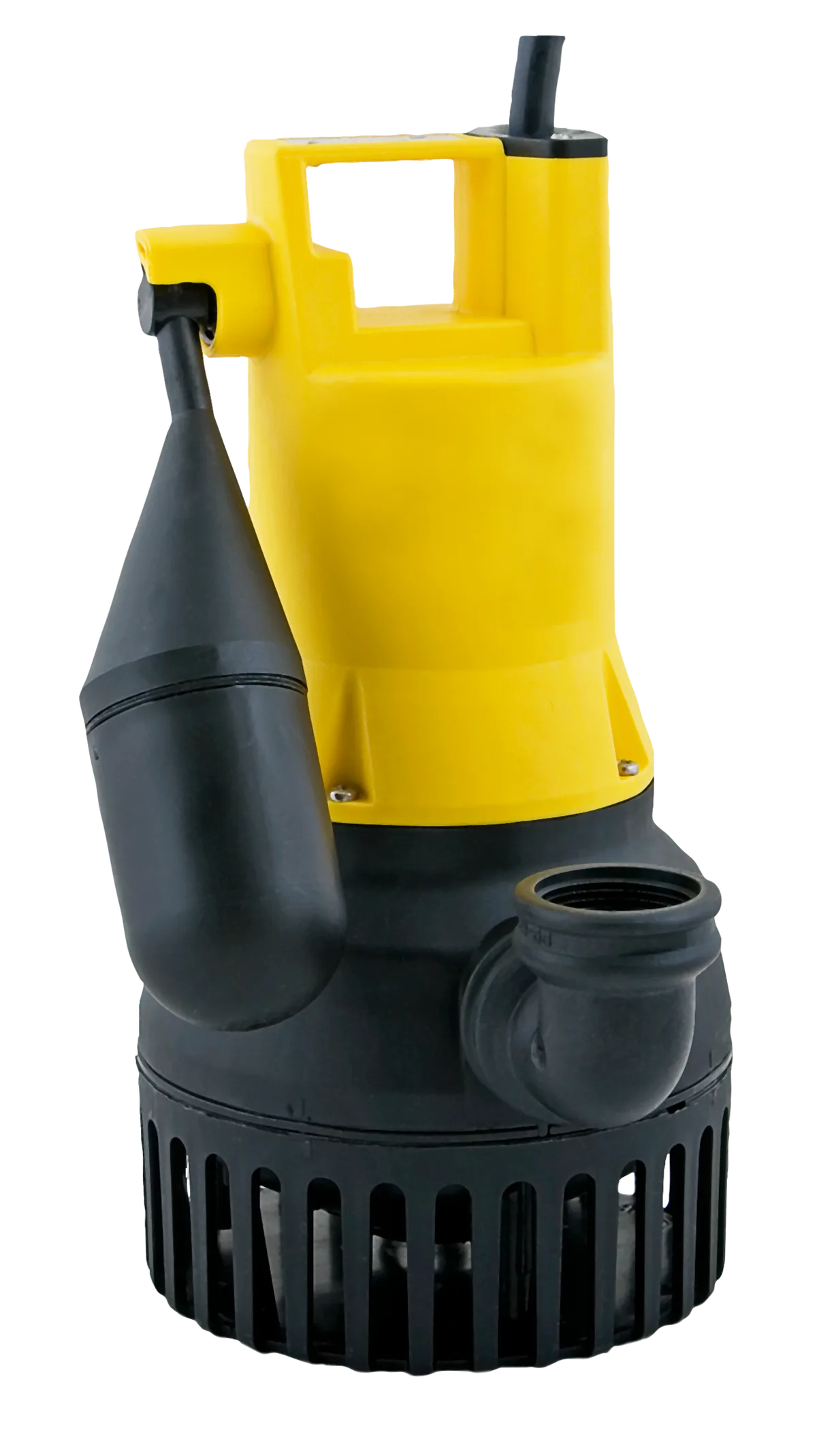
Image source: Wikimedia Commons / PumpExpert (CC BY-SA)
If your pump runs constantly and water still rises, something’s wrong. Watch for these red flags before disaster strikes.
Your Water Level Never Stabilizes
Normal operation: water enters, pump activates, level drops, pump shuts off. If the float keeps triggering and the water keeps climbing, inflow exceeds output. As of 2026, many homeowners report this during flash floods where rainfall hits 3+ inches in an hour.
The Motor Runs Hot or Smells Burning
Electric pumps generate heat. Continuous operation forces overheating. Thermal overload protection kicks in around 130°F (54°C).
If your unit smells like burning plastic, shut it down immediately to avoid permanent damage.
Discharge Pipe Gurgles or Backs Up
A failing check valve causes water hammer effect. You'll hear loud gurgling noises. Worse: clean water flows backward into the basin.
That means your pump works harder without progress.
Water Sprays From Septic Or Sewer Lines
If you see gray or black water backing up through drains, your system is overwhelmed. Sewage overflow poses health risks. Stop using plumbing fixtures until professionals arrive.
Alarm Sounds But No Water Inside
Some advanced units come with Wi-Fi alerts and battery backups. An alarm means either the main pump failed or the backup took over. Don't ignore it, silent failures happen fast.
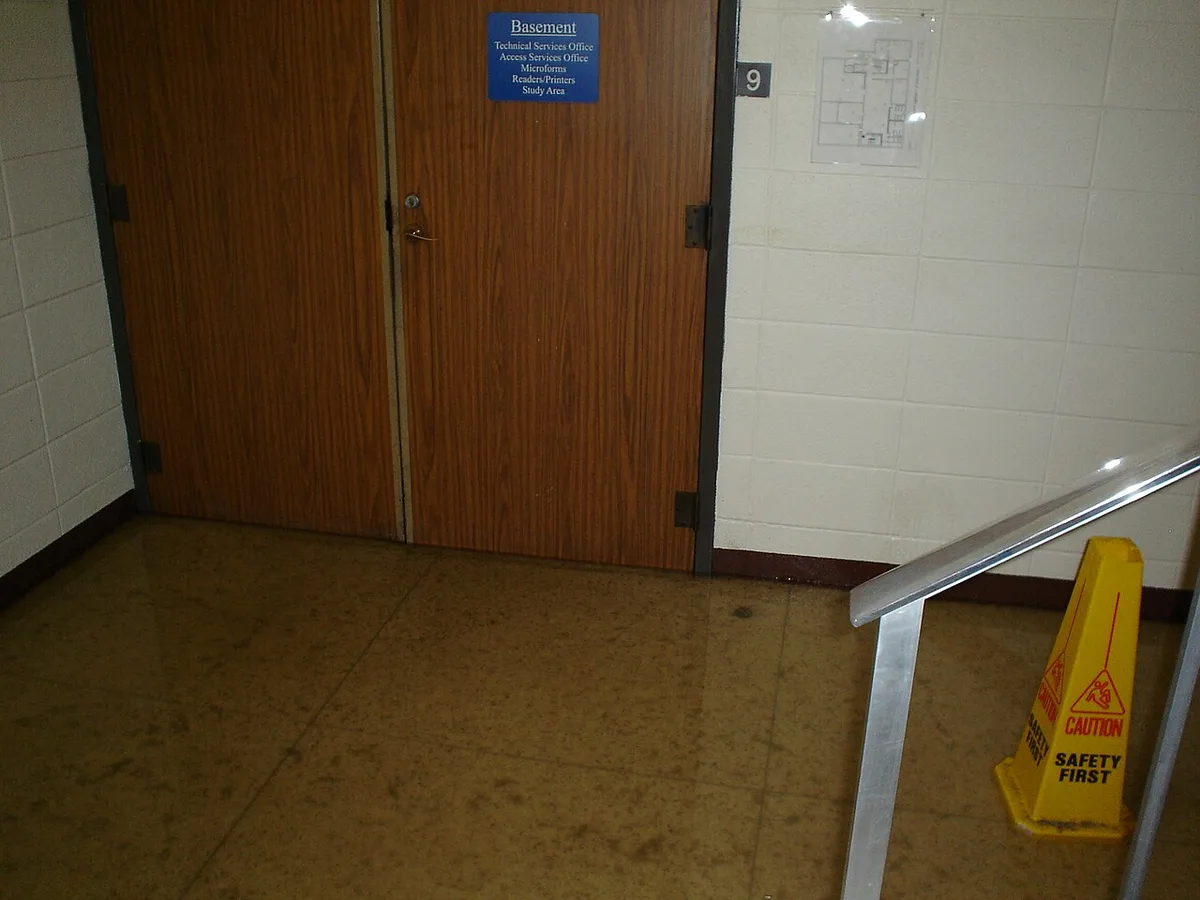
Image source: Wikimedia Commons / langsdalelibrary (CC BY-SA)
When inflow beats pump speed, expect standing water within minutes. Keep emergency towels and a utility pump handy nearby.
How to Size a Sump Pump for Flood Conditions
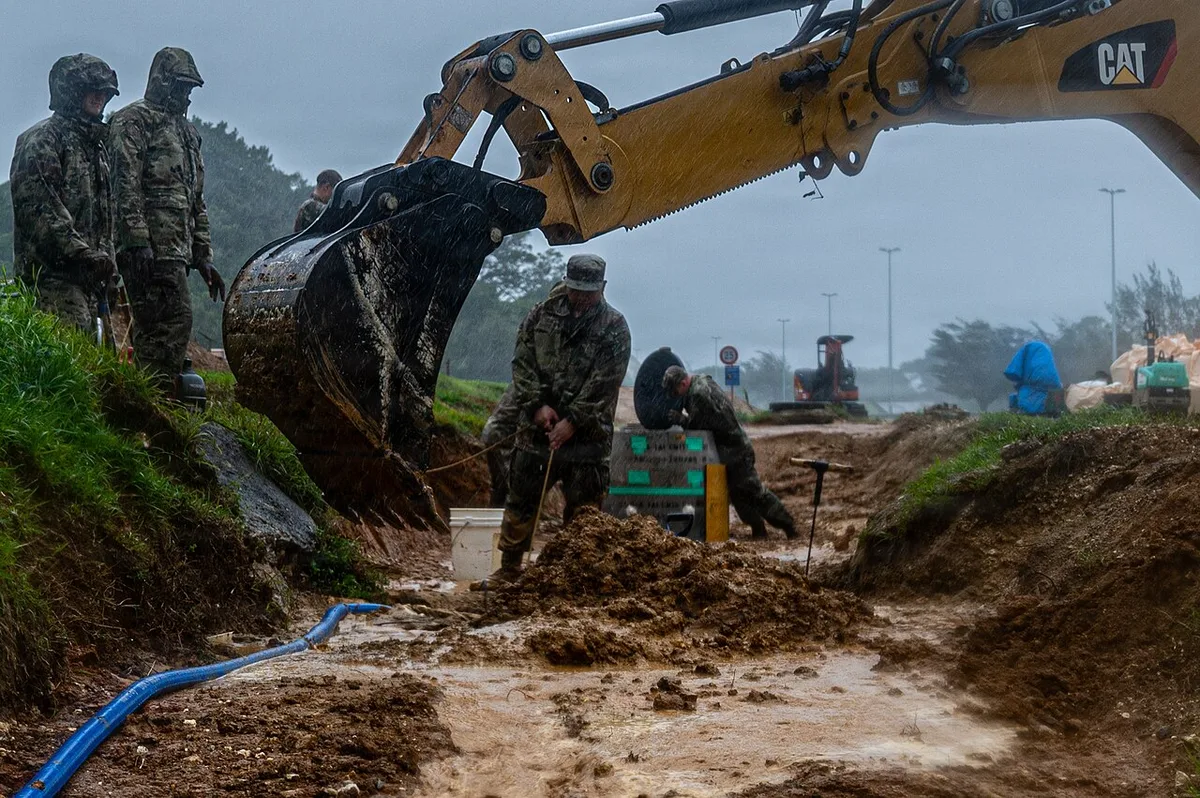
Image source: Wikimedia Commons / U.S. Air Force photo by Airman 1st Class Arnet Tamayo
Choosing the wrong pump size wastes money and invites flooding. Match horsepower and flow rate to your actual risk level.
| Pump Type | HP Range | Flow Rate | Best For |
|---|---|---|---|
| Pedestal | 1/30 – 1/3 HP | 1,500–3,000 GPH | Low-risk basements |
| Submersible | 1/3 – 1.5 HP | 2,000–6,000 GPH | Moderate flood zones |
| High-Capacity | 1–3 HP | 6,000–10,000+ GPH | Severe flood areas |
To calculate your needs, measure how fast water accumulates during heavy rain. If your basin fills completely in under five minutes, upgrade now. Most experts recommend doubling your baseline requirement for safety.
For example, if you need 3,000 GPH normally, install a 6,000 GPH unit.
Also factor in discharge height and distance. Every foot of vertical lift reduces flow significantly. Horizontal runs add friction loss.
Use this calculator to model your setup accurately.
Don’t forget redundancy. Install a battery-powered backup pump alongside your primary electric unit. This ensures operation during power outages, the #1 cause of sump failures during storms.
Maintenance matters here too. Clean the inlet screen monthly. Test float switches manually.
Replace worn check valves promptly. These steps prevent clogging-induced burnout, which kills more pumps than age alone.
Finally, consider professional installation for complex layouts. DIY mistakes like improper piping angles or undersized discharge lines undermine even top-tier equipment. Spend a little extra upfront, it saves thousands later when walls crack from water pressure.
Common Mistakes That Cause Sump Pump Failures During Flooding
Even the best pump fails if you misuse it. Avoid these preventable errors that turn small leaks into basement lakes.
Installing Too Small a Unit
Many homeowners buy the cheapest option available. Big mistake. A 1/3 HP pump handles routine seepage fine.
But during a 50-year flood event, you need serious horsepower. Underpowered units cycle nonstop until they burn out.
Solution: Size up. Go one class higher than your estimated load. It costs less than water extraction later.
Ignoring Discharge Location
Pumping water straight onto your foundation invites trouble. Water pools near footings, then seeps back inside. Always direct discharge at least 10 feet away from the house.
Use a splash block or underground drain line. Better yet, tie into storm sewer if local codes allow. Otherwise, expect recurring dampness.
Skipping Battery Backup Systems
Power outages strike hardest during severe weather. No juice equals no pumping. Even brief blackouts flood basements fast.
Install a sealed lead-acid or lithium-ion backup system. Most activate automatically within seconds of primary failure. Worth every penny when you’re sleeping soundly while neighbors battle rising water.
Neglecting Regular Maintenance
Leaves, debris, and dirt clog intakes easily. Over time, these blockages reduce efficiency by 40% or more. Eventually, the motor strains and dies early.
Schedule quarterly cleanups. Pour vinegar down the basin quarterly to dissolve mineral buildup. Lubricate moving parts annually according to manufacturer guidelines.
Overlooking Float Switch Problems
Float switches get stuck on debris or tangle in cables. Result? Either constant running (burnout risk) or no activation (flooding risk).
Test monthly by lifting the float arm manually. Listen for the pump engaging smoothly. Replace faulty switches immediately, they cost under $20 and save thousands in damages.
Frequently Asked Questions
Will a sump pump stop rising floodwaters?
Not indefinitely. During extreme flooding, inflow often exceeds pump capacity. Use sandbags and move valuables to higher ground as additional protection.
What happens if my sump pump fails during a flood?
Water accumulates rapidly in the pit. Without automatic shutoff mechanisms, motors burn out within hours. Consider installing redundant pumps with separate power sources for critical applications.
Can I run my sump pump without a check valve?
No. Without a check valve, previously discharged water falls back through the pipe each time the pump stops. This creates dangerous pressure imbalances and accelerates wear.
Do I need a permit to install a sump pump?
Most jurisdictions require permits for new installations involving concrete cutting or electrical work. Contact city hall before beginning any modifications. Some areas also mandate inspections post-installation.
Why does my sump pump keep turning on and off?
Known as "short cycling," this typically indicates a faulty check valve allowing reverse flow. Clean or replace the valve assembly according to manufacturer specs. If problems persist, consult a licensed plumber immediately.