
Can a sump pump run continuously? Yes, but only certain types under specific conditions. We've researched what causes nonstop cycling and when that's normal versus a red flag.
As of 2026, residential-grade pumps aren't built for indefinite operation, yet many homeowners discover their unit won't shut off during heavy storms. Here's how to tell the difference and act quickly.
can a sump pump run continuously
Yes, some sump pumps can run continuously, but most residential models cannot.
Utility pumps handle temporary high-flow situations.
Standard sump pumps overheat with prolonged use.
Check your pump type before assuming continuous operation is safe.
Why a Sump Pump Runs Nonstop — And What Each Scenario Means
A sump pump that runs nonstop usually signals either normal high-water conditions or a mechanical issue. Utility pumps, like those from Zoeller or Liberty Pumps, are specifically rated for continuous duty during flooding or construction dewatering. These can safely operate for hours without damage.
Residential submersible and pedestal pumps typically lack continuous-duty motors. Manufacturer specs indicate these units cycle on and off every 15-30 seconds during normal operation. When debris blocks the impeller or the float switch sticks closed, the pump runs endlessly until thermal overload triggers shutdown.
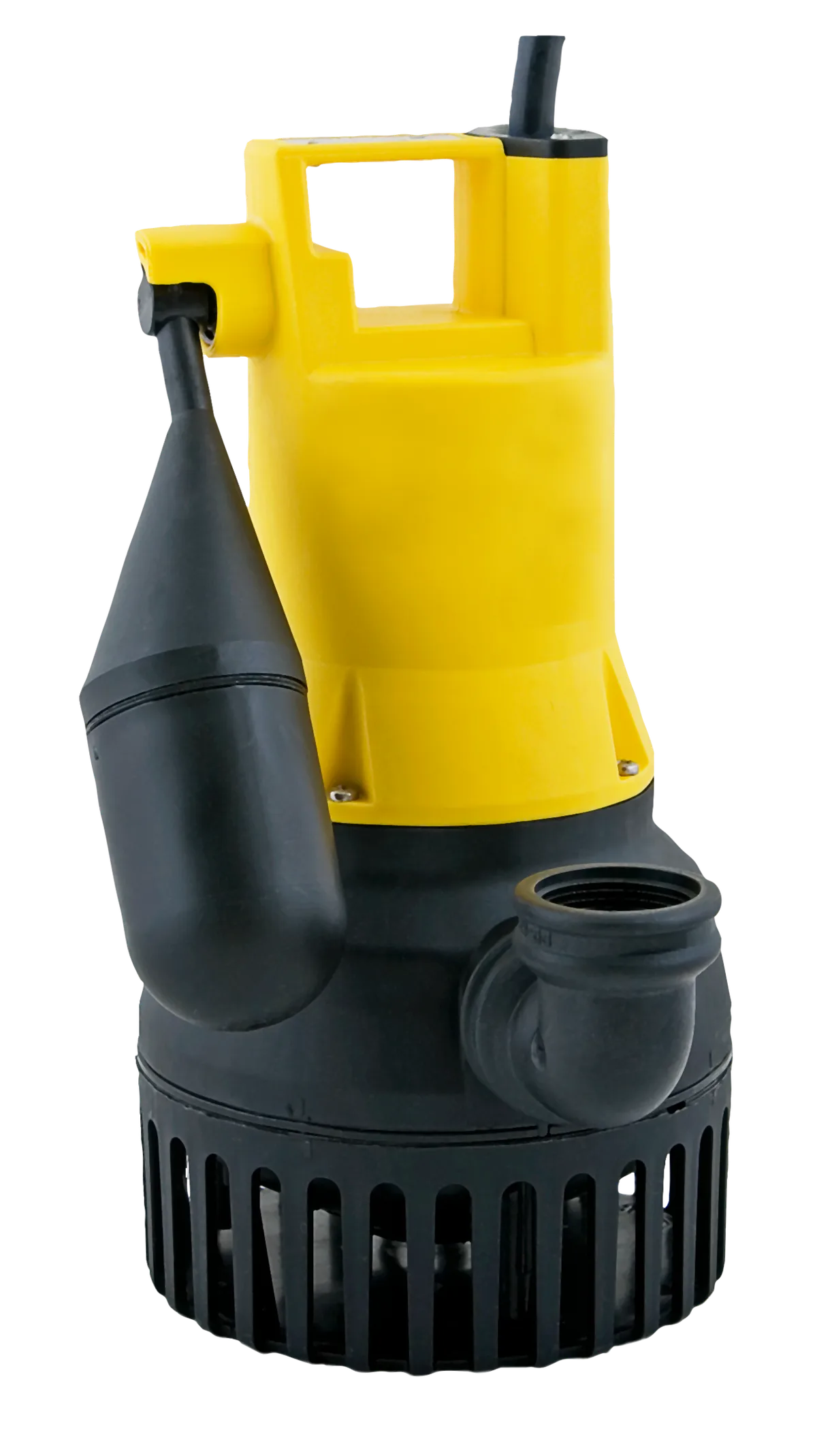
Image source: Wikimedia Commons / PumpExpert (CC BY-SA)
The key distinction: brief continuous running during major storm events is manageable. Extended nonstop operation for days indicates failure risk. If your pump hasn't shut off for over 24 hours straight, investigate immediately.
Common causes include:
- High water table: Normal during spring snowmelt or prolonged rainfall
- Pump sizing mismatch: Undersized unit can't keep up with inflow
- Mechanical faults: Check valve failure allows backflow, causing constant cycling
Is Your Pump Designed for Continuous Operation? Know the Difference
Motor duty ratings determine whether your pump handles continuous loads. Look for "continuous duty" on nameplate specifications, utility pumps carry this rating for temporary high-volume applications. Standard residential models list "intermittent duty," designed for 20-30 minute cycles followed by cooldown periods.
Per ASME/ANSI testing standards, continuous-duty motors include thermal protection allowing safe operation up to 110°F discharge temperatures. Intermittent units exceed safe temperatures after 30-45 minutes without rest.
| Pump Type | Duty Rating | Safe Continuous Run | Motor Temp Rise |
|---|---|---|---|
| Utility (construction) | Continuous | Up to 2 hours | 60°C |
| Submersible (residential) | Intermittent | 30-45 min max | 70°C |
| Pedestal (residential) | Intermittent | 20-30 min max | 75°C |
| Commercial/Industrial | Continuous | Unlimited | 80°C |
Check your local building codes, some jurisdictions require continuous-rated pumps in flood zones per NFPA 850 standards. For temporary flooding scenarios, connect a utility pump to a GFCI-protected outlet to prevent electrical hazards during extended wet conditions.
Quick Fixes to Try Right Now When It Won't Shut Off
Before calling a pro, try these five diagnostic steps:
- Lift the float arm manually, if the pump shuts off, the switch works
- Check the discharge pipe, ice or clogs cause backpressure
- Inspect the check valve, a failed valve makes the pump recycle constantly
- Clean debris from the impeller, hair and lint wrap around the rotor
- Test GFCI outlet, power cuts mimic pump failure
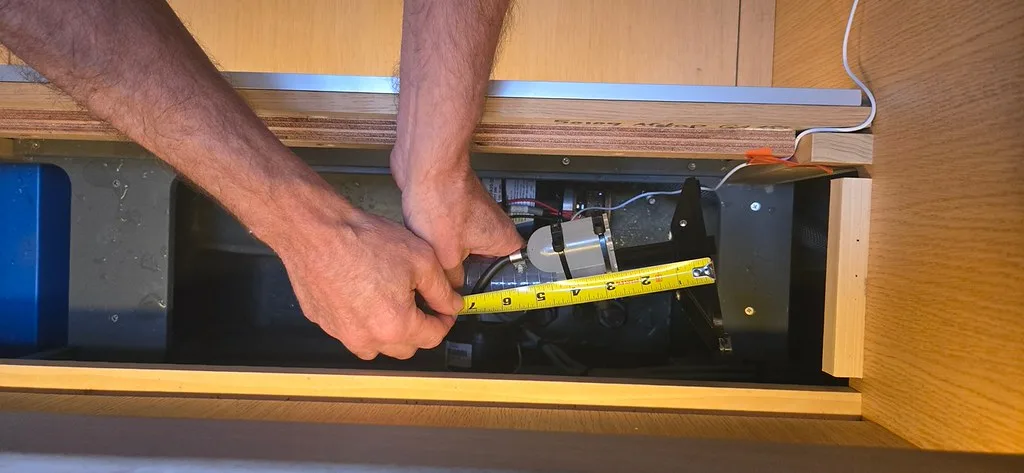
Image source: Wikimedia Commons / Palagiri
If the float switch moves freely but the pump keeps running, the internal contact may be welded shut. Tap the switch housing gently with a screwdriver handle to dislodge stuck contacts. Always disconnect power before handling internal components.
For pumps older than five years, consider upgrading to a variable-frequency drive model. These adjust speed based on water volume, reducing wear compared to constant full-power cycling. Verify your backup system activates during primary pump failure, a battery backup can run 6-12 hours without power depending on usage rate.
FAQs: Sump Pump Won’t Stop Running — What's Normal vs. What's Not
Why is my sump pump running every few minutes?
Short cycling indicates high water inflow or a stuck float switch. Normal operation involves 15-30 second pump cycles when water accumulates. Check for clogs in the discharge line preventing proper ejection.
Should I turn off my sump pump if it runs constantly?
Never shut off a pump during active flooding unless it's overheating. Instead, reduce inflow by diverting downspouts away from the foundation. If the motor smells hot or makes grinding noises, temporary shutdown prevents permanent damage.
How long can a sump pump run before burning out?
Residential pumps handle 30-45 minutes of continuous operation before thermal overload triggers automatic shutdown. Extended running beyond one hour risks permanent motor failure requiring replacement.
Image source: Wikimedia Commons / National Nuclear Security Administration / Nevada Site Office
What does a stuck float switch feel like?
When debris jams the float mechanism, the pump runs nonstop despite empty basins. You'll feel resistance lifting the arm, or the switch may not move at all. Clean around the pivot point where the float connects to the pump housing.