
You're standing in your basement when you hear that familiar gurgle. That's your sump pump doing exactly what it's designed to do. But not everyone catches that sound every time, or knows what to listen for when the basement stays quiet but the water keeps rising.
Knowing the signs isn't guesswork. It's about combining what you hear, what you see, and one simple manual test that anyone can do in under two minutes. Per the National Association of Home Inspectors, a properly functioning sump pump activates when water reaches roughly 6 to 10 inches above the inlet pipe.
That gives you a clear benchmark to check against.
Quick Answer: how to know when a sump pump turns on
Listen for a low mechanical hum followed by a brief gurgle from the discharge pipe.
See water level drop 2 to 3 inches in the pit within 30 seconds of the sound.
Check that the float switch rises freely with the water and isn't jammed against the pipe.
Run a bucket test. Pour water into the pit until the pump kicks in.
If none of these happen, the pump may not be turning on at all.
Diagnostic Workflow: Identifying Activation by Sound, Sight, and Manual Test
The easiest way to confirm your pump runs is to do the bucket test. Pour a bucket of water slowly into the sump pit. Watch the float switch rise.
Listen for the motor engaging. Most pumps activate between 6 and 10 inches of water depth.
If you hear the hum but no gurgle, check the discharge pipe. Air locks or frozen lines block flow. If the float doesn't move, debris may be holding it down.
A stuck float means the pump won't trigger no matter how much water enters the pit.
If the pump short-cycles (turns on, runs for 5 seconds, shuts off, repeats), you likely have a faulty check valve. That valve prevents water from flowing back into the pit after each run. Without it, the pump chases its own tail.
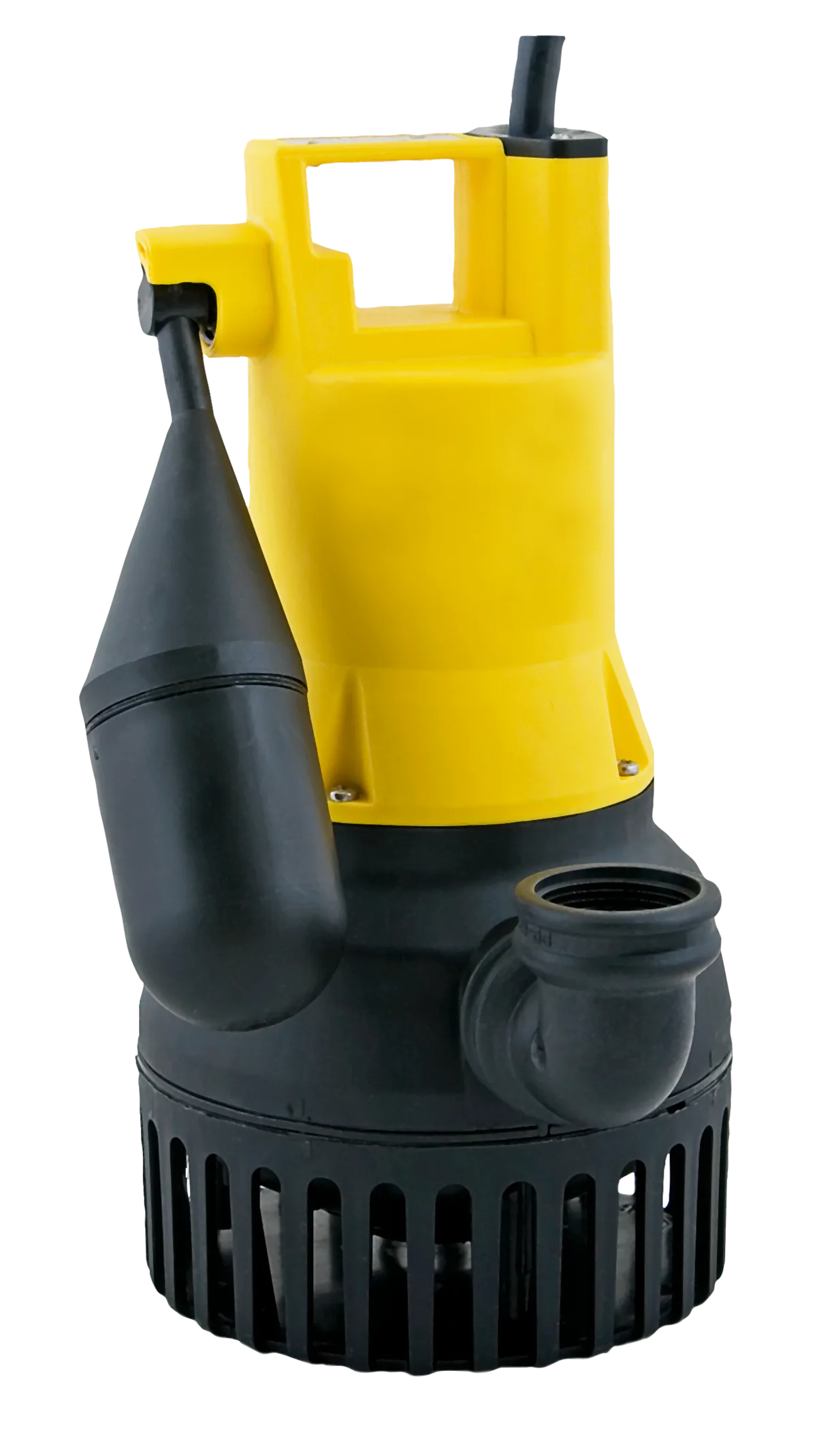
Float Switch Behavior Guide
| Condition | What You Notice | Likely Cause |
|---|---|---|
| Float rises, pump runs normally | Smooth engagement sound | Normal operation |
| Float rises, pump hums but no flow | Motor runs but pit stays full | Clogged impeller or blocked discharge |
| Float won't rise | Switch doesn't activate | Stuck in debris or wedged against pipe |
| Float rises, pump runs briefly | Short cycling | Failed check valve |
Troubleshooting Abnormal Cycles: Short-Cycling, Dry Runs, and Stuck Switches
Short-cycling kills pumps faster than any other issue. If your pump runs every few minutes without meaningful water removal, don't just assume it's raining harder. Check the check valve first.
It's that brass or plastic fitting on the discharge pipe. Turn off power, remove it, shake it. If you hear rattling inside, replace it.
A dry-run scenario is quieter but just as dangerous. The pump kicks on, sounds healthy, but the pit isn't actually filling. This happens when groundwater seeps away faster than it enters, or when the pump sits too high in the pit.
Electronic sensors can misfire here, triggering on vibration rather than water contact.
Stuck switches are common after winter freezes. Ice can jam a tethered float or coat an electronic sensor. Gently lift and lower the float several times by hand.
If it sticks, clean around the pivot point. Persistent sticking usually means the switch assembly needs replacement.
Common Mistakes Homeowners Make
Running the pump dry is the fastest way to destroy a motor. If you've ever turned your pump off manually and then noticed it won't shut off when you turn it back on, you've hit a stuck switch. Don't force it.
Turn off power at the breaker and inspect visually.
Another mistake: ignoring the sound. A pump that suddenly becomes louder or quieter is signaling a problem. Increased noise often means bearings wearing out.
Decreased noise might indicate cavitation, where air bubbles form in the water and reduce efficiency.
Testing quarterly isn't enough if you wait for problems to appear. The bucket test should be monthly during heavy rain seasons. Keep a log of activation times and durations.
If your pump starts cycling differently, catch it early.
Pro Tips for Ongoing Monitoring
Install a smart monitor if you travel frequently or worry about power failures. These devices send alerts to your phone when the pump activates, when runs get unusually long, or when water levels stay high too long. As of 2026, several models integrate with home security systems for centralized alerts.
Keep the pit clean. Leaves, dirt, and debris accumulate quickly. A mesh screen over the inlet pipe helps, but check it monthly during fall.
Clogged screens force pumps to work harder against reduced flow.
Know your pump's amp draw at startup. A clamp meter reading that climbs 20 percent above normal suggests internal resistance. Bearings binding, impeller damage, or voltage issues all show up here.
Frequently Asked Questions
Does a sump pump make noise when it turns on?
Yes. You'll hear a brief mechanical hum as the motor spins up, followed by a gurgling sound as water discharges through the pipe. If you only hear the hum without the gurgle, check for blockages in the discharge line.
What happens if my pump won't shut off?
This usually means the float switch is stuck in the up position. Turn off power at the breaker immediately. Manually lift and lower the float.
If it continues running after the float returns to rest, the internal switch mechanism has failed and needs replacement.
How can I tell if my pump is short-cycling?
Watch the water level in the pit. If it drops just 1 to 2 inches before the pump shuts off and the cycle repeats within 30 seconds, you likely have a failed check valve allowing water to flow back into the pit between cycles.
Should I test my pump if I haven't heard it run in months?
Absolutely. Groundwater levels change seasonally. Even in dry periods, do the bucket test quarterly.
An inactive pump may have a seized motor, stuck float, or blocked impeller that only gets worse with time.