
Imagine lounging on your favorite sofa, a warm cup of tea in hand, when suddenly, an itch disrupts your peace. You’ve checked your cat, and they’re free of fleas—but could your furniture be the culprit?
If you’ve ever wondered, “Can cat fleas live on furniture? ” You’re not alone. This question might make your skin crawl, but understanding the answer is crucial for maintaining a flea-free home. The truth is, fleas can be sneaky, and knowing where they might be hiding can save you from discomfort and potential infestations.
Stick around to uncover the surprising places these tiny pests might be lurking in your living space and how you can reclaim your home from these unwanted guests.
Credit: johnsons-vet.com
Lifecycle Of Cat Fleas
Cat fleas can thrive on furniture, hidden within crevices. Eggs and larvae might nestle in upholstery fibers, awaiting hosts. Regular cleaning disrupts their lifecycle, reducing infestations significantly.
Understanding the lifecycle of cat fleas is crucial to effectively managing their infestation on your furniture. These tiny pests are more than just a nuisance; they are resilient creatures with a complex lifecycle that allows them to thrive in various environments. By understanding each stage, you can take targeted actions to protect your home and beloved pets.Understanding The Stages Of Cat Fleas
Cat fleas have four main stages in their lifecycle: egg, larva, pupa, and adult. Each stage requires different conditions to thrive, making it essential to know how they progress. Eggs are laid on your cat and can fall off onto furniture, carpets, and bedding.The Egg Stage
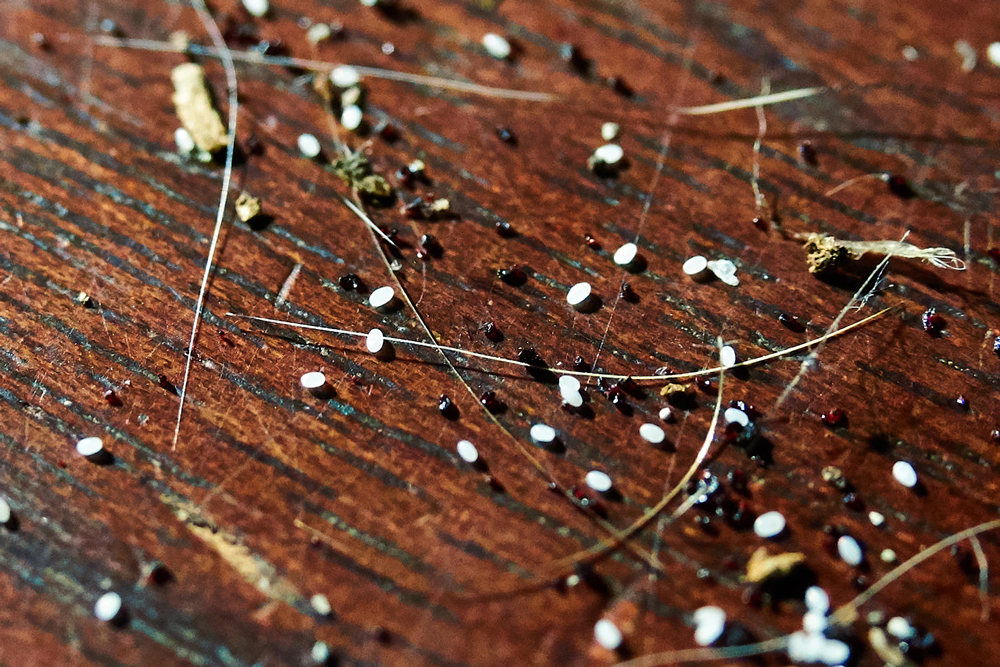
A female flea can lay up to 50 eggs per day. These tiny, white eggs are difficult to spot and can quickly spread throughout your home. They usually hatch within a few days, depending on the humidity and temperature.The Larval Stage
Once hatched, flea larvae are almost invisible to the naked eye. They thrive in dark, humid environments, feeding on organic debris like skin flakes and flea dirt. These larvae can often be found nestled deep in your furniture’s fibers.The Pupal Stage
The pupa stage is the flea’s final transformation before becoming an adult. In this stage, they cocoon themselves and can remain dormant for weeks or even months. Vibrations, such as your footsteps, can trigger them to emerge as adult fleas.The Adult Stage
Adult fleas are the ones you are likely to notice first. They jump onto hosts like cats and dogs to feed on blood. If unchecked, they can quickly reproduce, starting the cycle all over again.Breaking The Cycle
Knowing the lifecycle stages gives you the upper hand in breaking it. Regular vacuuming and washing pet bedding can help remove eggs and larvae. Consider using flea treatments that target all lifecycle stages for effective control. Have you ever noticed your cat scratching more than usual? It might be a sign of fleas, and understanding their lifecycle can be your first step toward a flea-free home. What’s your experience with dealing with these pesky parasites? Share your tips in the comments!
Credit: johnsons-vet.com
Fleas Infestation On Furniture
Fleas can invade your home without notice. These tiny pests often find their way into the nooks and crannies of your furniture. While their primary hosts are animals, they can survive in your living spaces. Understanding how fleas infest furniture can help you protect your home.
What Attracts Fleas To Furniture?
Furniture provides warmth and shelter for fleas. Upholstered pieces are especially inviting. The fabric offers hiding spots and protection. Fleas can lay eggs in these safe havens. Once they settle, they are hard to remove.
Signs Of Flea Infestation
Look for tiny black specks on your furniture. These could be flea droppings. Fleas are small, so you might see them hopping around. Your pets may scratch more than usual. Red, itchy bites on your skin are another sign.
Impact Of Fleas On Indoor Environment
Fleas can make your home uncomfortable. They cause irritation and allergies. In severe cases, they can lead to infections. Pets may suffer from skin issues. The presence of fleas can make your home feel unclean.
How To Prevent Flea Infestation On Furniture
Vacuum your furniture regularly. This removes any eggs or larvae. Keep your pets treated with flea control products. Wash pet bedding frequently. Use flea sprays safe for indoor use. Check second-hand furniture before bringing it home.
Prevention And Treatment Strategies
Cat fleas can infest furniture, causing discomfort and health issues. Regular cleaning and vacuuming help prevent their spread. Use flea treatments like sprays or powders to eliminate these pests effectively.
Dealing with cat fleas can be a daunting task, especially when they invade your furniture. These pesky parasites not only irritate your feline friend but can also cause discomfort to your household. Prevention and treatment strategies are essential to keep your home flea-free. Let’s dive into practical ways to tackle this issue effectively.Regular Cleaning And Vacuuming
Cleaning your home regularly is your first line of defense. Fleas love cozy spaces, and your furniture is a prime target. Make it a routine to vacuum sofas, carpets, and any upholstered items. This helps remove fleas and their eggs. Consider using a vacuum with a HEPA filter for better results.Use Flea-repellent Products
Flea-repellent sprays and powders can be a game-changer. Apply them on your furniture, focusing on areas where your cat likes to lounge. Be mindful of the product’s safety for pets and humans. Always read the label to ensure it’s suitable for your home environment.Natural Remedies
If you prefer a chemical-free approach, natural remedies can be effective. Sprinkle diatomaceous earth on your furniture and let it sit for a few hours before vacuuming. This powder dehydrates fleas, eliminating them without harsh chemicals. Another option is using essential oils like lavender or eucalyptus, diluted in water, to spray on your furniture.Regular Pet Grooming
Keeping your cat flea-free is crucial. Regular grooming helps detect fleas early. Use a flea comb and bathe your cat with vet-recommended shampoos. This not only helps your cat but also prevents fleas from transferring to your furniture.Professional Pest Control
Sometimes, you need to call in the experts. If fleas persist despite your efforts, consider hiring a professional pest control service. They have tools and knowledge to handle infestations effectively. It’s an investment that can save you from recurring flea battles.Monitor And Adjust
Prevention is an ongoing process. Monitor your furniture and pets regularly for signs of fleas. Adjust your strategies as needed. Have you noticed fewer fleas after implementing these strategies? Share your experiences and tips in the comments below! Taking proactive steps can keep your home comfortable and flea-free. Remember, your commitment to these strategies can significantly reduce flea problems. What are you waiting for? Start implementing these tips today!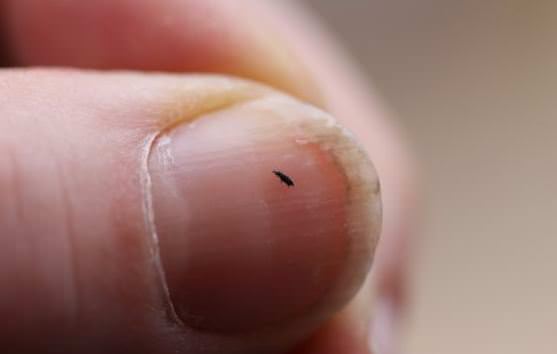
Credit: www.manchesterexterminators.co.uk
Conclusion
Cat fleas can live on furniture, making your home uncomfortable. They thrive in hidden places. Regular cleaning helps in controlling them. Vacuum your furniture often. Use flea treatments for pets and home. Keep your pets clean and well-groomed. Check them for fleas regularly.
Consider professional pest control if needed. Consistent effort can prevent infestations. A flea-free home ensures comfort for you and your pets. Stay vigilant and proactive. Protect your space from these pesky invaders. Your pets and furniture will thank you.