
Imagine this: you’ve just treated your furry friend for fleas, but now you’re worried about your furniture becoming the next hotspot for these pesky invaders. You’re not alone in wondering, “Can dog fleas live on furniture?”
This concern is valid, and it’s crucial to understand the dynamics of flea infestations in your home. If you’ve ever felt the frustration of dealing with fleas, you know how relentless they can be. The itch, the irritation, and the constant battle to keep them at bay—these are issues that hit home.
You’ll discover the truth about whether dog fleas can actually make your furniture their new home. We’ll delve into the behavior of fleas, what attracts them to certain environments, and actionable steps you can take to protect your living space. Don’t let the fear of fleas keep you up at night. Read on to arm yourself with knowledge and regain control over your home environment, ensuring both you and your pet can live comfortably and flea-free.

Credit: www.thehealthydogco.com
Flea Lifespan And Habitats
Understanding flea lifespan and habitats helps in managing infestations effectively. Fleas are tiny pests that thrive in warm and humid environments. They can cause discomfort to pets and their owners. Knowing where fleas live and how long they survive is crucial.
Flea Lifespan
Fleas have a surprisingly complex lifecycle. Their lifespan ranges from a few weeks to several months. Adult fleas can live up to 100 days under ideal conditions. They reproduce quickly, laying eggs on pets and furniture. This rapid reproduction makes controlling infestations challenging.
Egg Stage
Female fleas lay eggs after feeding. These eggs are tiny and often fall off pets onto carpets and furniture. In warm environments, eggs hatch within days. The egg stage is brief, lasting just a few days. It’s important to clean your home regularly to remove eggs.
Larva Stage
After hatching, flea larvae emerge. They feed on organic debris like skin flakes and flea dirt. Larvae avoid light and burrow deep into carpets and upholstery. This stage lasts up to two weeks. Vacuuming is essential during this period to eliminate larvae.
Pupa Stage
Flea larvae spin cocoons and enter the pupa stage. This stage can last up to a year in unfavorable conditions. Pupae are resistant to insecticides and vacuuming. They wait until conditions improve before emerging as adults. Disturbing furniture can trigger their emergence.
Adult Stage
Adult fleas seek hosts immediately after emerging. They bite and feed on blood, causing irritation. Adults can live on pets, humans, and furniture. Without hosts, they survive only a few days. Ensuring pets are treated for fleas is vital to stop the cycle.
Common Habitats
Fleas thrive in environments where pets frequently reside. Carpets, bedding, and upholstered furniture are common flea habitats. They prefer places with warmth and humidity. Regular cleaning and vacuuming can help prevent infestations in these areas.
Furniture Infestation
Fleas can live on and in furniture. They hide in crevices and upholstery seams. This makes furniture a prime spot for flea eggs, larvae, and pupae. Treating furniture with flea sprays or powders can help eliminate hidden pests. Regular cleaning also reduces the risk of infestation.
Credit: johnsons-vet.com
Signs Of Flea Infestation In Furniture
Flea infestations can be a nightmare for pet owners. These tiny pests don’t just stay on your dog. They can also invade your home, especially your furniture. Identifying signs of flea infestation in furniture is crucial. It helps in controlling their spread and protecting your home environment.
Dark Specks On Fabric
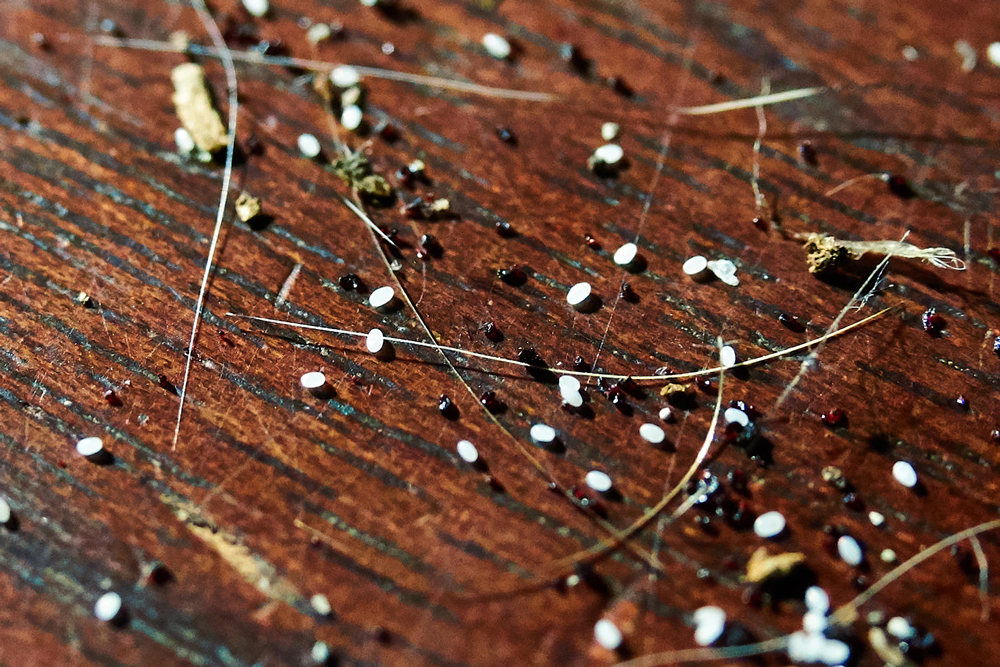
Check your furniture for tiny black specks. These may be flea dirt. Flea dirt consists of digested blood from your pet. You can test these specks by adding a drop of water. If they turn red, they are flea dirt.
Visible Fleas Jumping
Fleas are small but visible to the naked eye. You might see them jumping on your furniture. They are usually reddish-brown and very fast. This is a clear sign of infestation.
Flea Eggs In Crevices
Flea eggs are tiny and white. They often fall into furniture crevices. Inspect cracks and seams closely. Use a flashlight to spot these eggs. Finding them indicates a breeding ground.
Flea Bites On Skin
Flea bites are itchy and irritating. They often appear as small red bumps. If you notice bites after sitting on furniture, fleas might be present. Check your pets for similar bites.
Increased Pet Scratching
Pets will scratch more if fleas are around. Watch for excessive scratching or biting. This behavior can mean fleas have infested your furniture. Consult a vet for treatment advice.
Preventing And Treating Fleas On Furniture
Fleas are a common nuisance for dog owners. These tiny pests can invade your home, making furniture their new habitat. It’s crucial to prevent and treat fleas on furniture. This ensures comfort for both you and your pet. With a few simple steps, you can protect your space from these unwelcome visitors.
Preventing Fleas From Invading Furniture
Regular cleaning is key to preventing fleas. Vacuum your furniture often to remove dirt and flea eggs. Use a vacuum with a HEPA filter for best results. Wash pet bedding and blankets in hot water weekly. This kills any fleas and their larvae. Keep pets groomed and bathed to reduce flea infestations. Consider using flea prevention products recommended by vets.
Treating Flea-infested Furniture
Discovering fleas on your furniture can be alarming. Start by vacuuming the infested areas thoroughly. Dispose of the vacuum bag immediately to prevent re-infestation. Consider steam cleaning your furniture. The heat will kill fleas and their eggs. Use pet-safe flea sprays to treat affected areas. Follow instructions carefully to ensure safety.
Using Natural Remedies
Some prefer natural solutions for treating fleas. Sprinkle diatomaceous earth on furniture to kill fleas. It’s safe for pets but deadly to fleas. Leave it for a few hours before vacuuming. Essential oils like lavender and peppermint can repel fleas. Mix with water and spray on furniture. Always ensure these oils are safe for your pets.
Regular Monitoring And Maintenance
Regular checks can prevent fleas from returning. Inspect your furniture for signs of fleas and eggs. Use sticky traps to monitor flea activity in your home. Keep your yard clean and trimmed to reduce flea habitats. Regular maintenance helps keep your home flea-free.

Credit: www.fabbfurniture.com
Conclusion
Dog fleas can indeed make their home on furniture. This brings discomfort to pets and people alike. Regular cleaning and vacuuming help keep fleas away. Use flea treatments on pets to prevent spread. Wash pet bedding frequently. These actions reduce flea chances on furniture.
Flea infestations can be persistent. Stay vigilant and act quickly. Protect your home environment. Keep an eye out for signs of fleas. Maintain a clean space for happy pets. Taking these steps ensures a flea-free home. Enjoy peace of mind knowing your pets are safe.
Your furniture too.