
Imagine walking into your living room and seeing your once-beautiful leather furniture looking tired and worn. It used to be the centerpiece, but now its faded appearance leaves you wondering if it can ever regain its former glory.
You’re not alone in this struggle. Many people face the same dilemma and ask themselves, “Can faded leather furniture be restored? ” The answer is yes, and it’s simpler than you might think. This article will guide you through the secrets of breathing new life into your beloved pieces.
You’ll discover tips and tricks that can transform your furniture from drab to fab, making it look as good as new. With practical advice and easy-to-follow steps, restoring your leather furniture is not only possible but also enjoyable. So, if you’re ready to unlock the potential of your faded leather furniture, keep reading. You’ll learn exactly how to revive it, ensuring your home once again feels inviting and stylish. Don’t let fading take away the beauty of your space—grab the opportunity to restore and cherish your leather furniture.
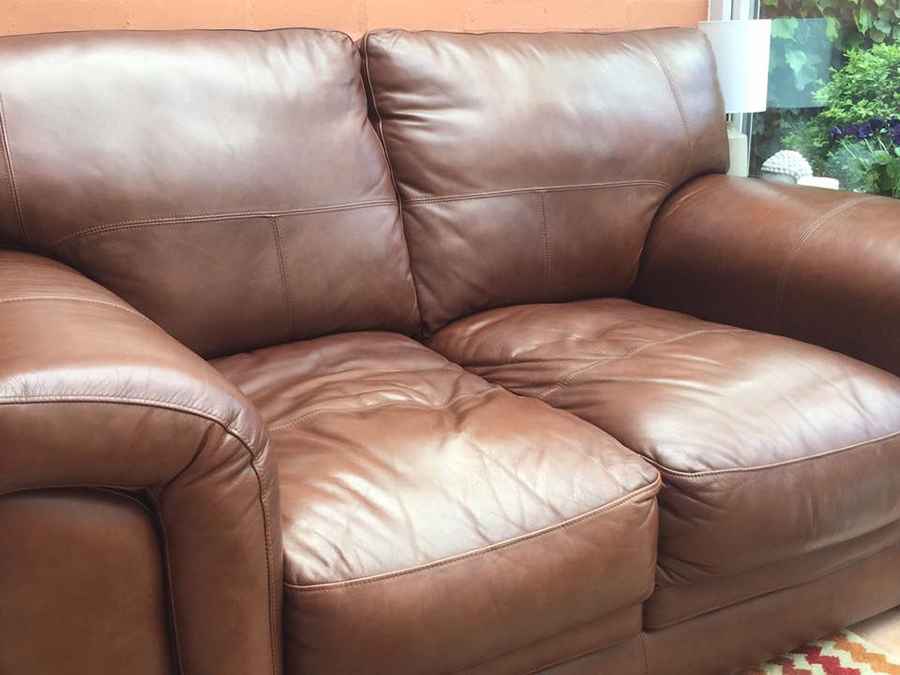
Credit: www.furnitureclinic.co.uk
Causes Of Leather Fading
Sunlight and humidity fade leather furniture over time. Heat exposure or improper cleaning can also lead to discoloration. Fortunately, specialized products and techniques offer effective restoration options for bringing back its original charm.
Leather furniture adds a touch of elegance to any space, but over time, you might notice that its vibrant color starts to fade. Understanding why this happens is crucial if you’re considering restoring your beloved leather pieces. Let’s dive into the common causes of leather fading.Exposure To Sunlight
Direct sunlight is a notorious enemy of leather. It can cause the color to fade and the material to dry out. Ever notice how the side of your couch facing the window looks different than the rest? That’s sunlight at work. Consider rearranging your furniture or using curtains to minimize this damage.Environmental Factors
Humidity and temperature fluctuations can significantly impact leather. High humidity can lead to mold, while dry air can cause cracking. If your leather furniture is near heaters or air conditioners, it might be suffering silently. You might want to think about investing in a humidifier to help maintain a stable environment.Incorrect Cleaning Methods
Using the wrong cleaning products can strip leather of its natural oils, leading to fading. Have you ever used a household cleaner on your leather furniture, only to find it looking dull? It’s vital to use products specifically designed for leather to preserve its luster.Wear And Tear
Everyday use naturally contributes to leather fading. Areas that receive more contact, like armrests and seat cushions, often fade quicker. Take a moment to inspect your furniture for these signs of wear. Is your favorite reading spot looking a bit worn? Regular maintenance can mitigate these effects.Quality Of Leather
Not all leather is created equal. Lower quality leather tends to fade faster due to its inherent properties. Next time you’re shopping, consider investing a bit more in higher quality leather. It might save you the trouble of restoration in the future. Reflect on your own leather furniture. Are any of these factors affecting it? Identifying the cause is the first step towards effective restoration. Don’t let your leather furniture lose its charm without a fight.Restoration Techniques
Reviving faded leather furniture is achievable with modern restoration methods. These techniques involve cleaning, conditioning, and re-dyeing the leather. Proper care can restore its original charm and prolong its lifespan.
Restoring faded leather furniture can breathe new life into your cherished pieces, enhancing both their aesthetic appeal and longevity. Whether it’s a beloved armchair or a vintage sofa, understanding effective restoration techniques can make all the difference. Let’s delve into some practical methods that can help you bring back the original charm of your leather furnishings.Cleaning And Conditioning
Before you start, ensure the leather is clean. Dust and grime can be stubborn, but a gentle leather cleaner will work wonders. After cleaning, conditioning your leather is crucial. It replenishes lost oils and restores suppleness. Regular conditioning keeps the leather from cracking and maintains its natural shine.Dyeing And Color Restoration
If your leather is severely faded, consider using a leather dye. These dyes can rejuvenate the color, making your furniture look brand new. Choose a dye that matches the original color of your leather. Test on a hidden area first to ensure compatibility.Repairing Scratches And Scuffs
Scratches can mar the appearance of your furniture. Leather repair kits can effectively address these imperfections. These kits usually contain adhesive and patches that blend seamlessly with the leather. With a little patience, your furniture can look flawless again.Using Natural Oils
Natural oils, like coconut or olive oil, can be surprisingly effective in restoring leather. They are readily available and easy to apply. Lightly rub the oil onto the leather using a soft cloth. This method not only revitalizes the color but also adds a protective layer.Professional Restoration Services
Sometimes, DIY methods aren’t enough. Professional restoration services can be a worthwhile investment for severely damaged leather. Experts have access to specialized tools and materials, ensuring a comprehensive restoration. Consider this option if your furniture holds sentimental value. — Have you tried any restoration techniques on your furniture? Would you opt for DIY methods or prefer professional help? Share your experiences and insights in the comments below!Preventing Future Fading
Faded leather furniture can regain its beauty with proper care. Once restored, maintaining its new look becomes crucial. Preventing future fading ensures your investment stays vibrant and elegant.
Use Leather Conditioner Regularly
Leather conditioner keeps furniture supple and nourished. Apply it every few months to prevent drying and cracking. It acts as a barrier against harmful elements.
Avoid Direct Sunlight
Sunlight is a major cause of leather fading. Position furniture away from windows or use curtains. This simple step can extend the life of your leather.
Clean With Gentle Products
Harsh cleaners damage leather surfaces. Choose products specifically made for leather care. Always test on a small area first.
Maintain A Stable Environment
Extreme temperatures affect leather condition. Keep the room at a moderate temperature. Avoid placing furniture near heat sources.
Rotate Furniture Regularly
Frequent use can lead to uneven wear. Rotate your furniture to distribute wear evenly. This helps maintain a consistent appearance.
Invest In Protective Covers
Protective covers shield leather from spills and dirt. Use them during high-use periods or gatherings. They provide an extra layer of protection.

Credit: www.youtube.com

Credit: www.haymounthomesllc.com
Conclusion
Restoring faded leather furniture is possible and rewarding. It brings life back. Regular maintenance can prevent further fading. Clean and condition your leather often. This keeps it looking fresh. Use leather dye for deeper restoration. It revives color and texture.
Simple steps can work wonders. Professional help is an option too. They offer expertise and resources. Restored leather furniture enhances your home. It feels comfortable and looks stylish. Plus, it’s more affordable than buying new. Start restoring today and enjoy beautiful leather again.
Your furniture deserves it.